REVIEW · HOI AN
Vietnamese Coffee Making Class in Hoi An
Book on GetYourGuide →Operated by hoang thien travel · Bookable on GetYourGuide
Smell coffee roasting in the heart of Hoi An. This small-group class is built around a hands-on Vietnamese coffee workflow, from roast basics to pouring your own cup. I especially like how it links each specialty drink to a specific method, so you’re not just watching.
Two things I’m glad you’ll get here: roast-level insight that helps you understand why Vietnamese coffee tastes bolder, and a real choice of styles—phin filter, egg coffee, coconut coffee, or salt coffee—so the class feels personal. One consideration: the focus stays on making and tasting, so if you’re craving extra theory and background, you may need to ask more questions.
In This Review
- Key things to know before you go
- Entering Trí Long coffee: the Hoi An meeting point that makes it easy
- How the coffee making class works (and what you’ll actually do)
- Roast levels in plain language: why Vietnamese coffee tastes the way it does
- Vietnamese phin filter coffee: slow drip, bold cup, classic method
- Hanoi egg coffee: turning yolks and condensed milk into silk
- Coconut coffee: nutty sweetness for a lighter vibe
- Hue imperial salt coffee: small change, noticeable smoothing
- What to expect in taste and caffeine (and a smart workaround)
- Included in the price: what $16 buys you in real terms
- Timing and pacing: 2 versus 3 sessions
- Accessibility and comfort: small group, easier participation
- Who this class is best for (and who should think twice)
- Should you book the Vietnamese Coffee Making Class in Hoi An?
- FAQ
- How long is the Vietnamese coffee making class in Hoi An?
- How much does it cost?
- Where do I meet for the class?
- Is there hotel pickup or drop-off?
- What coffee types can I choose to make?
- What’s included in the price?
- Is the class wheelchair accessible, and what group size should I expect?
Key things to know before you go
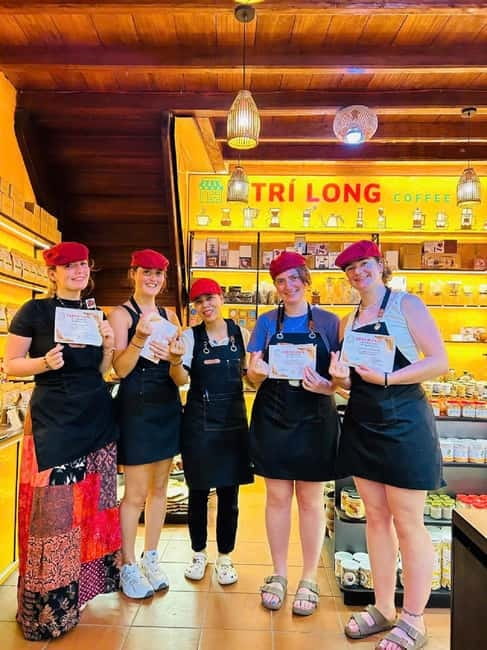
- Small-group pace (up to 10 people): you’ll have time to work with the tools and ask questions without feeling rushed.
- You choose what to make: pick egg, phin filter, coconut, or salt coffee depending on what you’re in the mood for.
- Roast demo first: you’ll see how roast levels shape flavor before you start brewing.
- Phin drip style: you learn the slow-dripping method that produces a bold, robust cup.
- High-flavor specialty cups: egg coffee, coconut coffee, and salt coffee all follow distinct mixing rules.
- Your own finished cup: the class includes a cup you make yourself.
Entering Trí Long coffee: the Hoi An meeting point that makes it easy
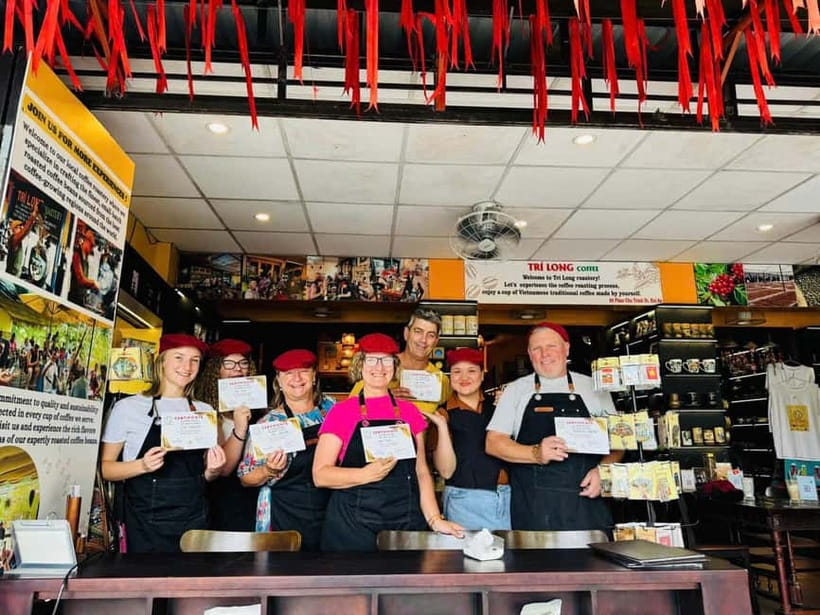
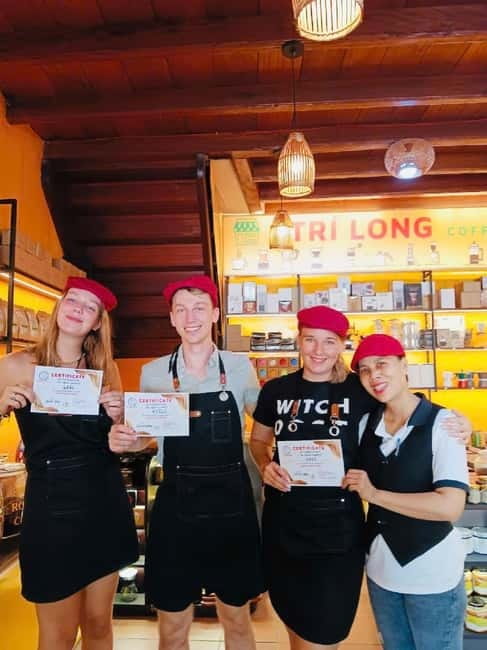
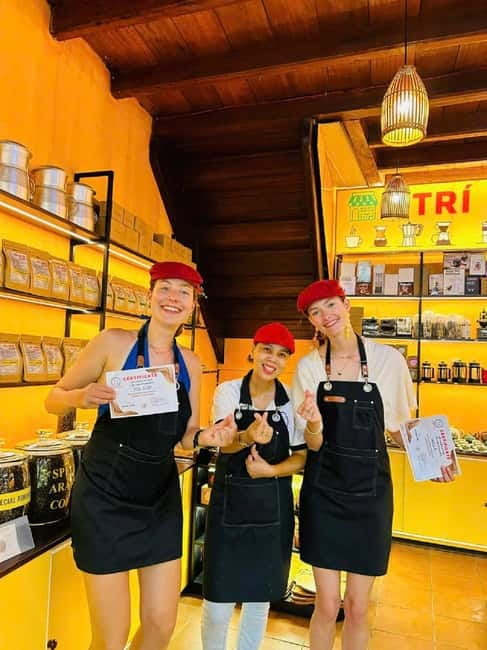
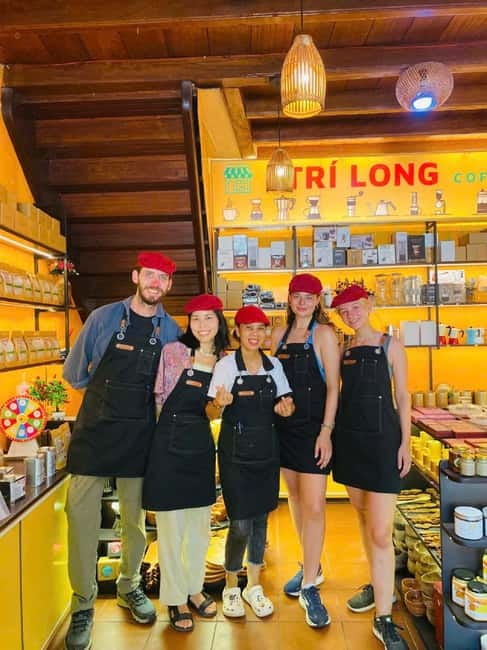
This class meets right in downtown Hoi An at Trí Long coffee, 88 Phan Chau Trinh street. You’ll want to look for the guide standing outside the shop wearing a red hat—it’s a simple way to find the group fast, even if you’re coming in after sightseeing.
There’s no hotel pickup or drop-off, so treat this like a self-directed activity: show up a bit early, get settled, and then you’ll be ready for the brewing cycle. If you’re pairing this with a morning or afternoon in the old town area, the location is handy because you can combine it with other short stops without needing a long transit plan.
The class runs about 1 hour to 90 minutes, and the exact timing can depend on the starting session and which coffee styles you choose. That flexibility matters in Hoi An, where the weather can change fast.
You can also read our reviews of more tours and experiences in Hoi An.

How the coffee making class works (and what you’ll actually do)
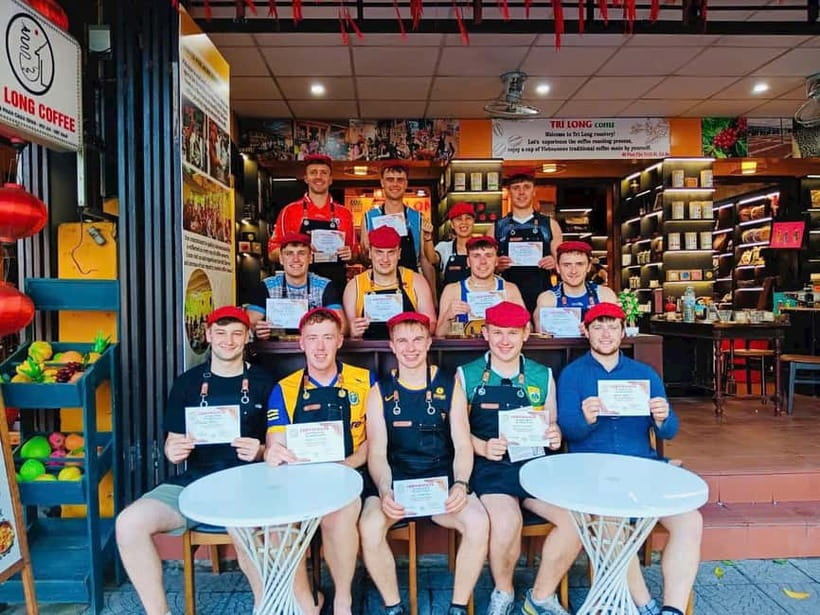
The experience is structured like a short coffee bootcamp: you start with a roasted-coffee demonstration, then move into a traditional Vietnamese brewing method and specialty variations. You can pick 2 or 3 sessions, which is the key to pacing—more sessions means more making, more mixing, and more coffee tasting in a shorter period.
You’re not just handed a drink. The course includes ingredients and tools, and you’ll make at least one cup yourself. That hands-on part is the difference between learning coffee as a concept and learning it as a repeatable routine you could try later.
Because this is a small group (limited to 10 participants) with an English-speaking instructor, you can usually get practical answers instead of generic explanations. Still, the class is still time-boxed, so don’t expect a full coffee-science lecture. If you’re the type who loves details like roast curves and bean chemistry, you’ll likely have to ask directly and get quick, useful pointers.
Roast levels in plain language: why Vietnamese coffee tastes the way it does
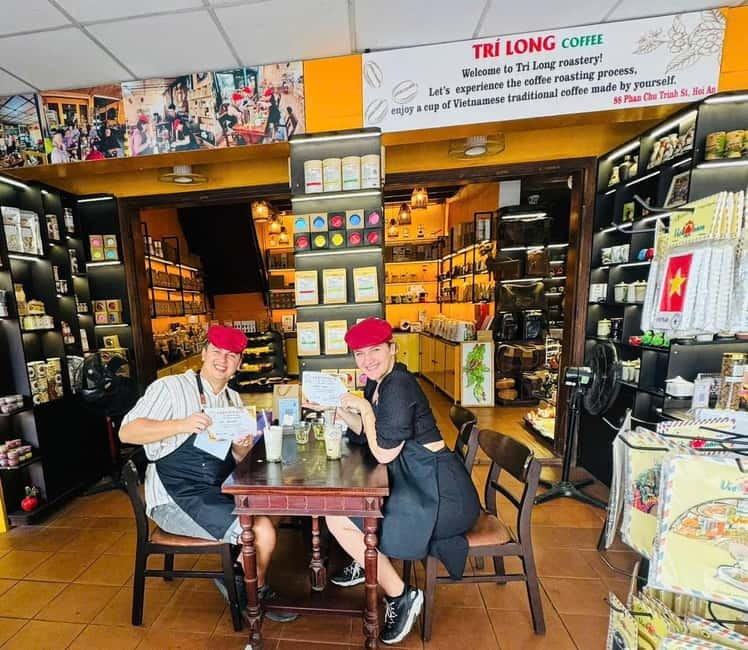
Before you brew anything, you’ll learn how roasted coffee beans go from raw state to the aromatic cup you recognize. The demonstration focuses on the roasting process, including roast levels and how they influence taste.
This matters because many people assume Vietnamese coffee is mainly about the equipment. It’s not. Roast level affects bitterness, sweetness, aroma, and body—so when you later taste a phin drip or a specialty mix, you’re better able to connect what you’re tasting to what’s happening to the beans.
A practical tip you can take from this: when a cup tastes more bitter or more intense, your first guess shouldn’t always be the drink recipe. Roast level is a big lever. Learning that early helps you understand the rest of your experience without needing a glossary.
Vietnamese phin filter coffee: slow drip, bold cup, classic method
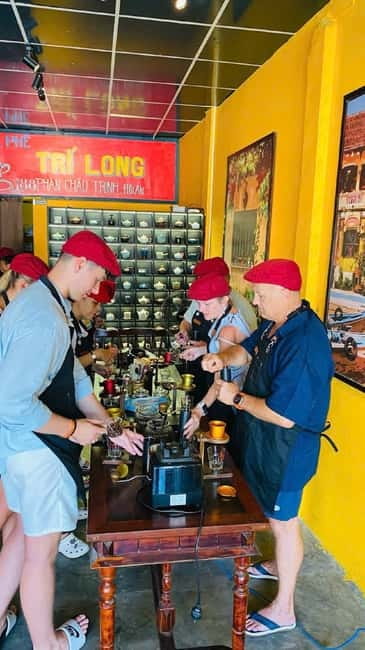
The Vietnamese Phin filter section is where the style becomes clear. You’ll see the traditional method and learn why it’s famous: the coffee is brewed slowly through the phin, and that creates a cup that tends to be bold and robust.
What makes this special isn’t just nostalgia. It’s the rhythm. When the brew drips slowly, you’re effectively controlling how the coffee extracts into the final liquid. That shows up in taste as a strong body and a balance between bitterness and sweetness.
If you like coffee that feels heavier and more satisfying than thin drip coffee, this part is the one that usually clicks fastest. It also gives you a baseline for everything else in the class. Once you understand phin filter coffee, egg coffee, coconut coffee, and salt coffee start to make more sense as variations on a familiar base.
Hanoi egg coffee: turning yolks and condensed milk into silk
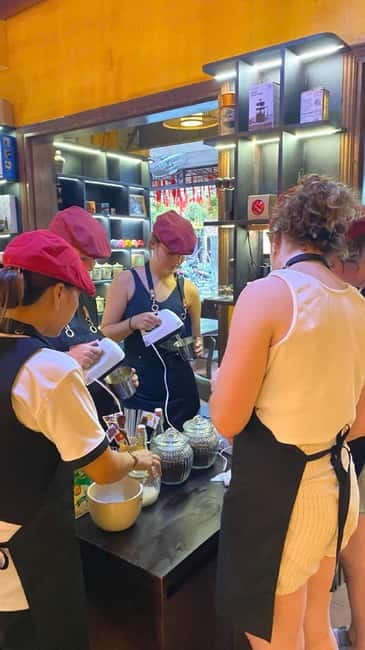
Next comes a specialty that’s instantly memorable: Hanoi egg coffee. This part is hands-on and recipe-driven, with the instructor guiding you through whipping egg yolks together with condensed milk and sugar, then combining it with coffee.
The goal is that creamy texture you can see and taste right away—a velvety style that feels richer than a standard café latte. It’s also surprisingly balanced. Yes, it’s sweet, but it doesn’t vanish the coffee flavor underneath.
Practical takeaway: egg coffee is for when you want coffee plus a dessert-like mouthfeel. If you’ve never had it before, don’t expect it to taste like coffee with whipped cream. The yolk-based texture changes the whole experience.
Coconut coffee: nutty sweetness for a lighter vibe
If you want something that feels more tropical, coconut coffee is the option. Here you’ll learn how to infuse coconut flavor into the coffee for that nutty sweetness and aromatic lift.
This is a smart choice in Hoi An when the heat is doing its job. Coconut tends to feel less heavy than egg coffee, and it can make the drink feel brighter even if the base coffee is still bold.
This section also helps you understand a broader Vietnamese coffee pattern: instead of trying to “hide” coffee bitterness, many Vietnamese styles use ingredients that change how sweetness and aroma land on your palate.
Hue imperial salt coffee: small change, noticeable smoothing
Then there’s Hue imperial salt coffee, where a pinch of salt is used to enhance coffee’s natural flavors and reduce bitterness. The class includes the idea that there’s a science behind why this works, and you’ll get to taste the result.
The most useful thing to know is simple: salt isn’t there to make it salty. It’s there to make the coffee taste rounder, so bitter edges don’t hit as hard.
If you’re the type who likes trying one weird-sounding ingredient and then understanding why it works, this is a great finisher. Salt coffee also acts like a palate reset if you’ve been tasting multiple versions in one session.
What to expect in taste and caffeine (and a smart workaround)
This class is designed to be flavorful, and it can be intense in a short window. When you choose multiple sessions, you’ll likely end up with more caffeine and richness than you’d get from one regular café visit. It’s not a problem if you drink coffee regularly, but if you’re sensitive, plan accordingly.
A helpful workaround: if you’re worried about the last coffee being too much, ask if the team can offer a chocolate drink substitution instead. That kind of flexibility has happened in this experience, and it’s exactly the sort of thing that can save your afternoon.
My practical advice: come in with a plan. If you’re choosing 3 sessions, treat it like a coffee tasting rather than a casual snack stop. Bring some water time between cups if they provide it (water is included), and pace yourself.
Included in the price: what $16 buys you in real terms
The price is $16 per person, and for Hoi An, the value is in the structure.
You’re getting:
- A cup of coffee made by yourself
- A coffee making course
- Water
- An English-speaking instructor
- Ingredients and tools
That combination matters. Many low-cost activities in tourist areas give you a ticket and a quick show. This one gives you the tools and instruction to make a cup, and it includes multiple specialty methods depending on what you select.
Also, your coffee choice is part of the value. If egg coffee or salt coffee is something you only want to try once, this class is a way to do it without hunting down multiple café stops around town.
If you’re comparing it to buying several drinks, remember: here you’re paying for learning, making, and tasting as you go. That’s why the price can feel fair even if it’s not “cheap-cheap.”
Timing and pacing: 2 versus 3 sessions
You can choose 2 or 3 different sessions to explore different flavors and roasting techniques. Here’s how to decide:
- Choose 2 sessions if you want variety but still want to keep the class feeling comfortable.
- Choose 3 sessions if you’re a coffee fan and want the full tasting arc: roast → phin filter → specialty variation.
Because duration is listed as 1 hour to 90 minutes, your schedule is flexible. Still, plan to be near Trí Long coffee with enough time to settle before starting. In Hoi An, you’ll be glad you didn’t sprint across town right before your brew begins.
Accessibility and comfort: small group, easier participation
The class is wheelchair accessible and it’s set up as a small group (max 10 participants). In practice, that means you’re more likely to have space to follow the steps and get help if something doesn’t go as expected.
If you’re sensitive to strong smells from roasting or brewing, give yourself a moment at the start to acclimate. Coffee aromas can be wonderful, but they’re also intense when you’re standing close to the process.
Who this class is best for (and who should think twice)
This is a great fit if you:
- Like hands-on learning more than passive tasting
- Want to try multiple Vietnamese coffee styles in one place
- Enjoy coffee culture and want to connect method to flavor
- Are visiting during a rainy afternoon when an indoor activity is ideal
Think twice if you:
- Prefer very light, mild drinks (this class leans bold and robust)
- Want a long, academic explanation of coffee chemistry with no time pressure
- Plan to do many other caffeine-heavy activities that day
The class is designed for practical learning and good cups, not for a drawn-out lecture. If that matches your travel style, you’ll likely have a good time.
Should you book the Vietnamese Coffee Making Class in Hoi An?
Book it if you want a hands-on Vietnamese coffee experience with real methods behind each drink. For the $16 price, the combo of roast demo, phin filter technique, and the chance to make a cup yourself is solid value. It also works well as a reliable plan when the weather turns, since you’re staying centered at Trí Long coffee.
If you’re picky about theory and want a more detailed background lecture, you’ll want to ask questions as you go. Also, if you choose 3 sessions, pace yourself and consider asking about a chocolate substitution if caffeine or richness becomes too much.
For most people heading to Hoi An, this is one of those activities that gives you a skill you can remember—and coffee you can actually re-create later with similar tools.
FAQ
How long is the Vietnamese coffee making class in Hoi An?
It lasts about 1 hour to 90 minutes, depending on the starting session and how many coffee types you choose.
How much does it cost?
The price is $16 per person.
Where do I meet for the class?
Meet at Trí Long coffee, 88 Phan Chau Trinh street, Hoi An. Look for a guide outside the shop wearing a red hat.
Is there hotel pickup or drop-off?
No, hotel pickup and drop-off aren’t included.
What coffee types can I choose to make?
You can choose the type of coffee you want to make, including egg coffee, Vietnamese Phin filter coffee, coconut coffee, or salt coffee.
What’s included in the price?
Included are a cup of coffee made by yourself, the coffee making course, water, an English-speaking instructor, and the ingredients and tools.
Is the class wheelchair accessible, and what group size should I expect?
Yes, it’s wheelchair accessible. The group is small, limited to 10 participants.