REVIEW · PAMPLONA
Pamplona Highlights Walking Tour with Coffee and Churros Break
Book on Viator →Operated by The Foodguyde · Bookable on Viator
A good walk with coffee beats a museum day. This 2-hour 15-minute Pamplona highlight tour threads together San Fermín sights, Hemingway connections, and Camino de Santiago details while you keep moving through the city. I especially like the small-group size (max 10), which makes it easier to ask questions, and the included stop at Cafe Iruna for real Spanish churros and a proper coffee break.
One thing to consider: the tour focuses on key photo stops and street-level stories. If you want heavy, stop-by-stop deep historical details at every corner, you might feel slightly rushed for that kind of depth.
In This Review
- Key things you’ll like most
- Price and time: what you actually get for $46.96
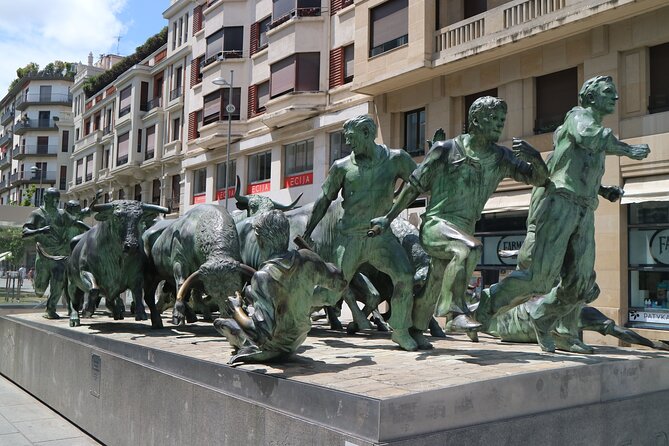
- Where the walk begins: Encierro/Entzierroa Monument at 9:30
- Plaza del Castillo: Hemingway’s Pamplona and the square that grounds it all
- Calle Estafeta and Curva de Estafeta: the festival route feels real
- Plaza de Toros de Pamplona: iconic bullring, but no ticket needed
- Over the old walls: Mirador del Caballo Blanco and panoramic views
- Catedral de Pamplona: what you’ll see from outside (and why that’s still useful)
- Cafe Iruna: coffee and churros at the literary-meets-local meeting point
- Corrales de Santo Domingo: the bull pens energy before the main event
- Ayuntamiento de Pamplona and the Chupinazo moment
- Iglesia de San Saturnino and the patron-saint connection
- Paseo de Sarasate and the Monument to the Fueros
- The guide factor: what makes this feel special
- What’s not included: entrances you’ll skip on purpose
- Timing and pacing: how the 2 hours 15 minutes plays out
- Who should book this tour?
- Quick FAQ for planning your walk
- FAQ
- How long is the Pamplona highlights walking tour with coffee and churros?
- How much does the tour cost?
- Where do I meet, and when does it start?
- Is coffee included, or do I need to pay separately?
- Are churros included?
- Are there any entrance fees included for sights like the bullring or cathedral?
- How large is the group?
- What languages are the tour offered in?
- What happens if the weather is bad?
- Can I cancel for a refund?
- Should you book it?
Key things you’ll like most
- Cafe Iruna coffee + churros midway through the walk, not just a token pause
- Hemingway-meets-Pamplona stories, including how The Sun Also Rises connects to downtown landmarks
- San Fermín route viewpoints, from famous streets to the bull pens area
- Camino de Santiago context at the Portal de Francia gateway for pilgrims
- Panoramic views from the fortifications at Mirador del Caballo Blanco
- Small group (up to 10), run by guides in English plus Dutch and German
Price and time: what you actually get for $46.96
At $46.96 per person for about 2 hours 15 minutes, you’re paying for three things that add up fast in a city like Pamplona: guided orientation, multiple “only in Pamplona” locations, and an included food break. Entrance fees for major sights are not included, so you’re not getting “everything ticketed and done.” Instead, you get the right mix of exterior views and street-level context—then a sensible stop for coffee/tea and churros.
The timing matters. This tour is long enough to connect the dots between downtown, the old walls, and the key festival route points, but it still leaves you free afterward to go inside a cathedral, linger at pintxos bars, or plan your own stroll.
Where the walk begins: Encierro/Entzierroa Monument at 9:30
You’ll meet at the Encierro/Entzierroa Monument on Av. Roncesvalles (31002 Pamplona). The walk starts at 9:30 am and ends back at the same meeting point. That matters because it keeps the route simple: no stressful navigation at the end of your day.
It’s also a smart starting place for the theme of the tour. Even if you’re visiting outside July, this area immediately signals the city’s identity around the running of the bulls—not as a distant legend, but as a real part of Pamplona’s streets.
Practical tip: wear shoes that handle uneven historic streets. This is walking through old city blocks, not a flat promenade.
Plaza del Castillo: Hemingway’s Pamplona and the square that grounds it all
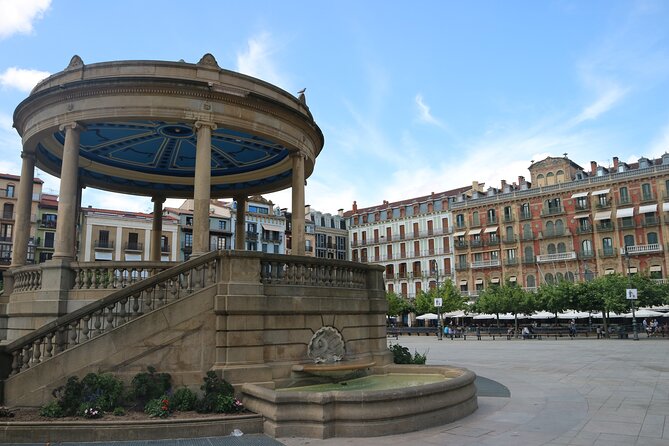
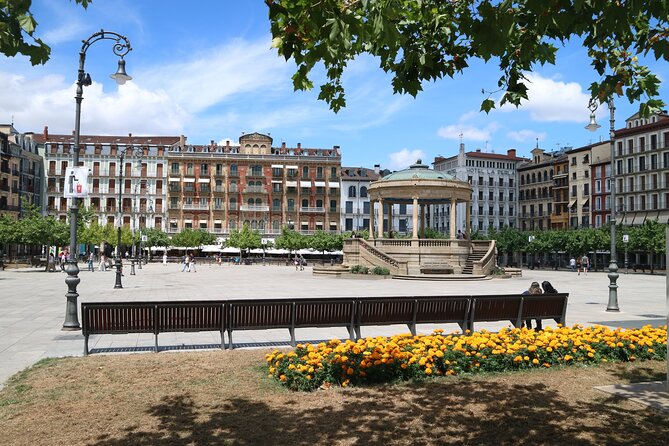
Your first big stop is Plaza del Castillo, the downtown heart built around historic buildings. This is where you’ll hear how Ernest Hemingway influenced modern Pamplona’s image. It’s not just name-dropping; it’s about why certain places feel “literary” and why the city still leans into that identity today.
Why I like starting here: it gives you a map in your head before you move into narrower festival streets. You understand what’s central, what’s old, and what’s symbolic—then the rest of the walk makes more sense.
Calle Estafeta and Curva de Estafeta: the festival route feels real
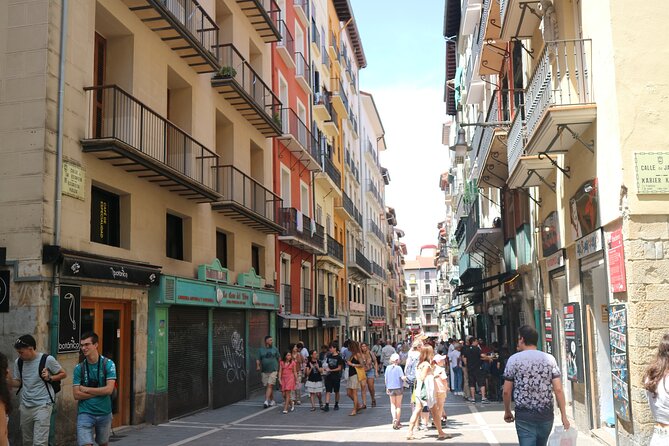
Next, you move to Calle Estafeta, one of the streets tied to the San Fermín running route. You’ll get a sense of how the street looks and feels during the nine-day festival of Saint Fermin, when the city changes its rhythm and the route becomes the main event.
Then comes Curva de Estafeta, often described as the most spectacular point on the annual bulls route. Even if you’re not traveling in festival week, the spot has that built-in energy. You can see how the geography supports the action—because the street is part of the story, not just a backdrop.
Drawback to keep in mind: because you’re outdoors and moving fairly quickly, you’re getting impressions more than “all-the-details” history at each exact point. It’s great for orientation, but not the best option if you want a long lecture at every stop.
Plaza de Toros de Pamplona: iconic bullring, but no ticket needed
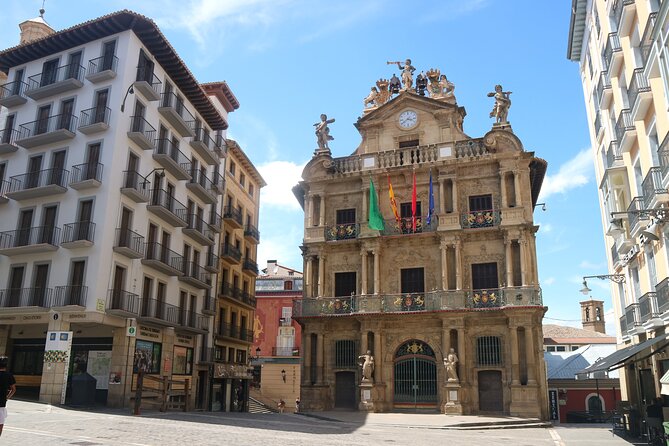
You’ll reach Plaza de Toros de Pamplona, a bullring from the 1920s. It’s the final stop tied to the annual running of the bulls route, and it’s a powerful structure to see from the outside.
Entrance isn’t included, so you’ll be looking from outside rather than touring inside. Still, it’s a worthwhile sight on foot because it anchors the festival story: you connect the street running to where the tradition culminates.
Over the old walls: Mirador del Caballo Blanco and panoramic views
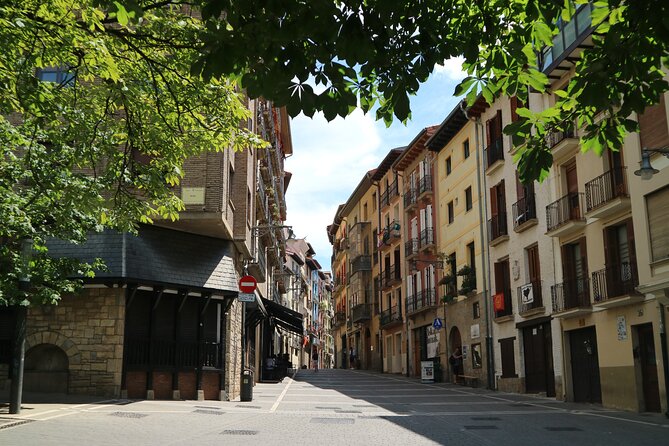
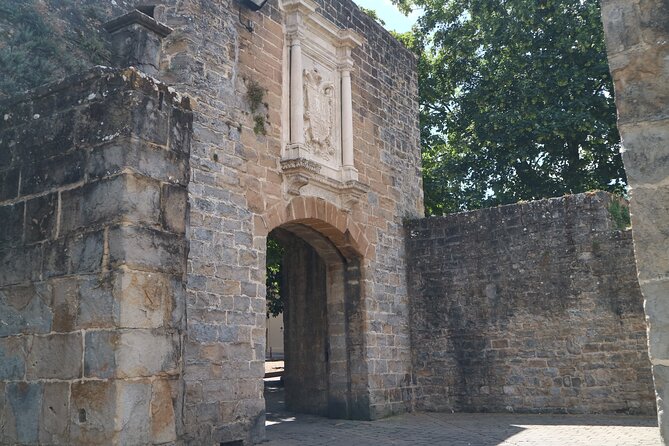
At Mirador del Caballo Blanco, you walk along fortifications and cross parts of the old city walls. This is one of those stops where Pamplona slows down for a minute and gives you a better sense of scale.
You also pass remnants of a medieval pillory. You don’t just hear “there used to be rules.” You see a physical trace of older civic life—small but memorable.
If you like photos, this is a strong moment to stop, breathe, and take in the city layout.
Catedral de Pamplona: what you’ll see from outside (and why that’s still useful)
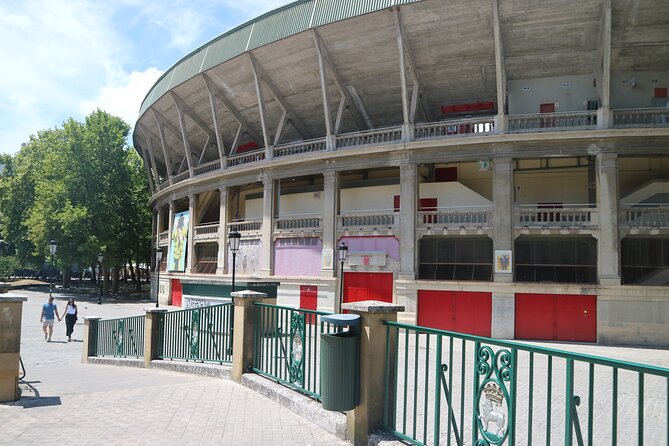
You’ll stop at the Catedral de Pamplona—dedicated to Saint Mary of the Assumption. The cloister is considered one of the most beautiful in Europe, but cathedral entrance is not included during this tour.
So you’re getting the exterior stop and the story context, then you have the choice to return later for a full visit. I think this is smart value. You’re not paying for an entrance you may or may not want to use immediately, and you can pair it with your own schedule afterward.
Cafe Iruna: coffee and churros at the literary-meets-local meeting point
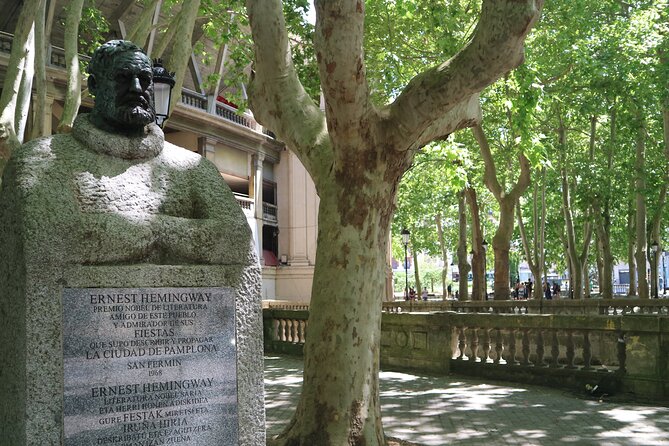
This is the heart of the experience for many people: a break at Cafe Iruna, where you’ll have one cup of coffee or tea plus churros. It’s described as the most iconic café in downtown Pamplona, and you’ll also connect it to Hemingway’s novel The Sun Also Rises—including the idea that certain characters meet here.
This stop works because it’s timed right in the middle, when your legs start bargaining. And it’s not just food. It’s a cultural pause. You’ll get recommendations for where to eat and what to visit next, which can save you time when you’re deciding between pintxos bars and a second major sight.
Practical note: churros are delicious but messy. If you’re sensitive about sticky fingers, grab extra napkins.
Corrales de Santo Domingo: the bull pens energy before the main event
You’ll visit Corrales de Santo Domingo, the pens where bulls rest at night before the festival event. It’s one of the more compelling stops because it tells the behind-the-scenes part of San Fermín—the logistics side people rarely picture.
It’s included as part of the tour with the experience vibe, so you’re not just seeing a wall. You’re hearing how the festival machine runs.
Ayuntamiento de Pamplona and the Chupinazo moment
At Ayuntamiento de Pamplona (the town hall and Plaza Consistorial), you’ll learn about the Chupinazo rocket fired every July 6th to mark the start of the San Fermín festivities.
Entrance isn’t included here, but the “why this matters” context sticks. This stop turns the festival from something you watch into something you can understand: a city ceremony with a specific signal.
Iglesia de San Saturnino and the patron-saint connection
You’ll stop at Iglesia de San Saturnino, dedicated to Pamplona’s patron saint. The church itself isn’t entered on this tour, but you’ll hear about Saint Saturnino’s role in the city’s history and identity.
If you’re the kind of traveler who loves religion-as-culture—how patron saints shape a place this works well. If you only want spectacle, you might find it quieter than the bull-related stops.
Paseo de Sarasate and the Monument to the Fueros
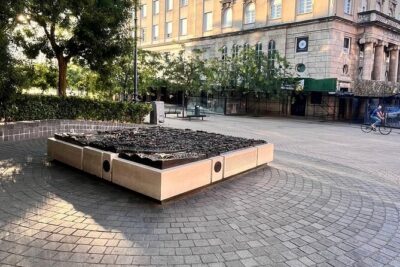
Near the end, the route takes you through Paseo de Sarasate and across the San Nicolás pintxo street. You’ll also see the Monument to the Fueros, with the meaning explained by your guide.
This is a good finishing stretch because you shift from festival machinery to civic identity and everyday Pamplona life. It’s where the city feels like a normal place again—just with extra story layers.
The guide factor: what makes this feel special
This tour caps at 10 travelers, and guides work in English (plus Dutch and German options). In real terms, that small group size makes the walk feel less like a conveyor belt and more like a conversation on foot.
One name that comes up in feedback is Arno (also referenced as Arnold). People praise him as friendly, flexible, and very comfortable tailoring the route when someone wasn’t feeling well. There’s also a strong thread about how much personal context he brings—especially stories tied to the Camino de Santiago, including his own experience with it.
Even if you don’t meet Arno, the point is the same: the tour is designed to be led by a person who cares about Pamplona beyond the obvious photo spots. And if you enjoy getting a clean list of what to do after the walk, you’ll probably appreciate that recommendation-style wrap-up.
What’s not included: entrances you’ll skip on purpose
You won’t enter several ticket-based places during the tour. That includes stops such as the bullring, the cathedral, and the church. It’s not a downside by default—often it’s a smart way to keep the walk moving and priced reasonably.
If you want to go inside, plan a follow-up visit on your own. I like doing that anyway: you get the orientation first, then you choose how long you want to spend.
Timing and pacing: how the 2 hours 15 minutes plays out
The tour uses short segments at each key location—think about 5 to 15 minutes at different stops—so you’re always moving. That pacing is efficient, especially if it’s your first time in Pamplona and you want to hit major story points without spending half a day.
If you’re the type who slows down at every corner, you might want to allow extra time afterward. The walk gives you a framework; you’ll still want to wander beyond the route.
Who should book this tour?
This experience is ideal if you:
- Want a first-timer orientation to Pamplona that connects San Fermín, Hemingway, and the Camino
- Like walking tours that include one real food stop (coffee and churros), not just a quick photo
- Prefer small-group guidance rather than a big bus-tour vibe
- Want practical ideas for what to do next, after you’ve seen the main landmarks
It’s less ideal if you:
- Want only deep, heavy historical study at each stop (this tour is more “guided route storytelling” than lecture mode)
- Are looking for full indoor museum-style experiences inside paid attractions during the tour window
Quick FAQ for planning your walk
FAQ
How long is the Pamplona highlights walking tour with coffee and churros?
It lasts about 2 hours 15 minutes.
How much does the tour cost?
The price is $46.96 per person.
Where do I meet, and when does it start?
You meet at the Encierro/Entzierroa Monument on Av. Roncesvalles, and it starts at 9:30 am.
Is coffee included, or do I need to pay separately?
Coffee or tea is included. You get one cup at Cafe Iruna.
Are churros included?
Yes. Churros are included as a snack during the coffee/tea break.
Are there any entrance fees included for sights like the bullring or cathedral?
No. Entrance fees are not included, so you won’t go inside places like the bullring, cathedral, or the church during this tour.
How large is the group?
The tour has a maximum of 10 travelers.
What languages are the tour offered in?
The tour guide speaks Dutch, German, and English.
What happens if the weather is bad?
This experience requires good weather. If it’s canceled due to poor weather, you’ll be offered a different date or a full refund.
Can I cancel for a refund?
Yes. You can cancel up to 24 hours in advance for a full refund.
Should you book it?
If Pamplona is new to you, I’d book it. For the money, you get a tight route through the city’s most identity-heavy themes—San Fermín, Hemingway’s cultural footprint, and the Camino gateway story—plus the best part of Spanish mornings: coffee and churros at Cafe Iruna.
Just go in with the right expectations. This is a smart guided walk and orientation, not a ticketed marathon of every major interior. If that matches your style, you’ll leave with a much clearer sense of where to wander next and what to prioritize—inside and out.