REVIEW · MINCA
Trekking History and Indigenous Heritage in Minca + Cacao & Coffee + Waterfall
Book on GetYourGuide →Operated by Macondo Project Tourism · Bookable on GetYourGuide
Few hours in Minca, then you understand the place. This trek links Tayrona heritage trails to today’s Indigenous communities, with hands-on stops at an Arhuaco cacao and coffee farm and time to relax at a natural waterfall. I love how the walk feels grounded in real history, and I also like that you get tasting and practical context, not just a photo stop. One possible drawback: it is a medium-difficulty hike, so you’ll want solid shoes and a bit of stamina.
I also like the guide quality that comes through in the reviews. Names like Jorge, Andres, and Santiago show up for a reason: they answer questions, keep things fun, and share helpful tips around the Santa Marta area while you’re in the loop. Still, note that food and drinks are not included, so you’ll want to plan around that if you get hungry during the hike.
In This Review
- Key things that make this tour worth your time
- Tayrona trails, cacao stories, and a waterfall stop in Minca
- Getting started at Parque de Minca (and why meeting location matters)
- The first hike hour: setting expectations for a medium-difficulty trek
- Stop at Cabanas Bosque Cacao: a guided trail with Tayrona heritage
- The cacao and coffee farm: an Arhuaco family experience you can taste
- How the waterfall fits: a cool-down with meaning (and timing)
- Price check: what $41 covers, and why it can be good value
- What to bring (and how to avoid the annoying mistakes)
- Who this tour fits best (and who might want a different plan)
- Should you book this Tayrona trails + cacao and coffee + waterfall tour?
Key things that make this tour worth your time
- Tayrona heritage on the trail: historic paths connected to the legacy of the Tayrona people.
- Arhuaco farm with tasting: cacao and coffee cultivation explained, plus traditional tasting.
- Real cultural context: you hear about the Indigenous worldview and how people use these products.
- Time to talk with the community: conversation with Arhuaco family members during the farm visit.
- Waterfall reset: a natural waterfall stop, with a chance to spot one along the way.
- Support for community projects: each booking contributes to sustainable local initiatives.
Tayrona trails, cacao stories, and a waterfall stop in Minca
Minca isn’t just a cool mountain break from the coast. On this tour, you get the “why” behind the greenery: the trails you walk follow routes tied to Indigenous presence in the region, and the farm stop explains how cacao and coffee fit into an Indigenous way of understanding the land.
What makes it feel different is the pacing. You’re not rushing through a checklist of sights. You’re walking, learning, tasting, and then cooling off. It’s the kind of outing that gives you stories you can actually repeat later: how cultivation works, what cacao and coffee mean in the local worldview, and how traditions have continued despite social change.
And because it’s guided by someone bilingual in English and Spanish, you can ask questions along the way without guessing what’s going on.
Getting started at Parque de Minca (and why meeting location matters)
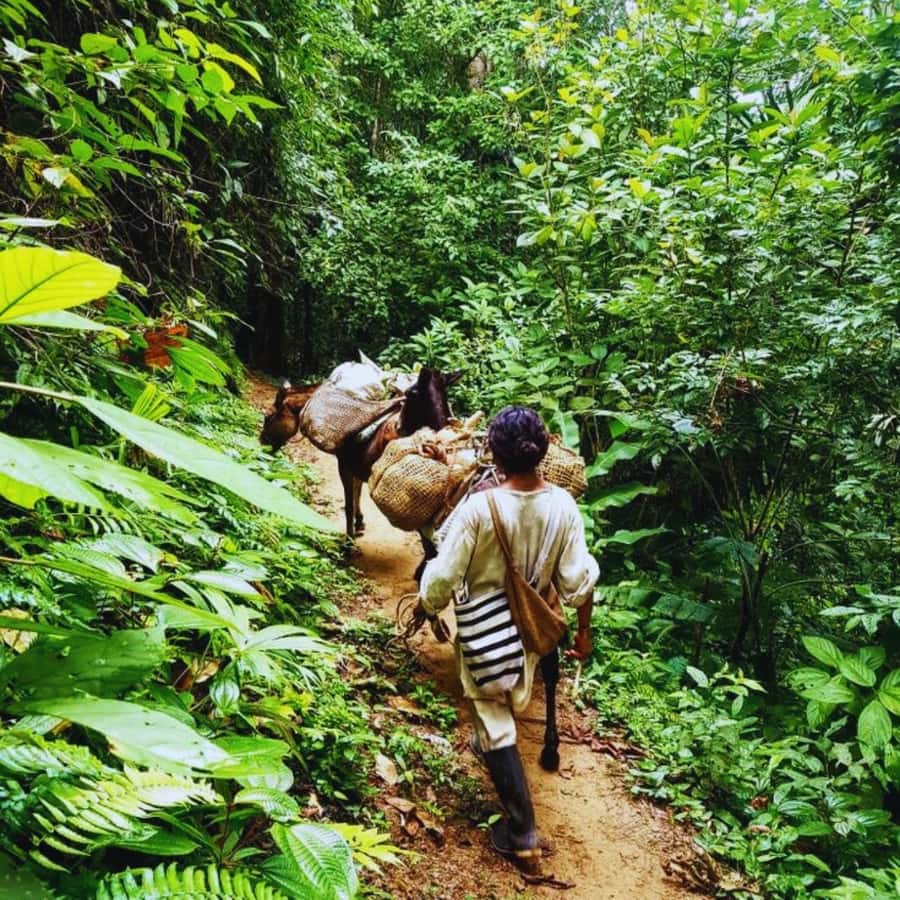
You meet your guide at Minca’s Central Park, at the central chapel area. That matters more than it sounds. Central Park is the easiest reference point in town, so you’re less likely to waste time wandering or second-guessing directions before you start hiking.
From there, you’re on trails for about 4 to 5 hours total. The tour runs rain or shine, except in extreme conditions, so you’re planning for a real outdoors experience rather than something that turns into a café chat at the first cloud.
If you’re coming in from Santa Marta, the operator can share contact information for a private driver if you need help with the transfer. (Not included, but they do help you connect the dots.)
The first hike hour: setting expectations for a medium-difficulty trek
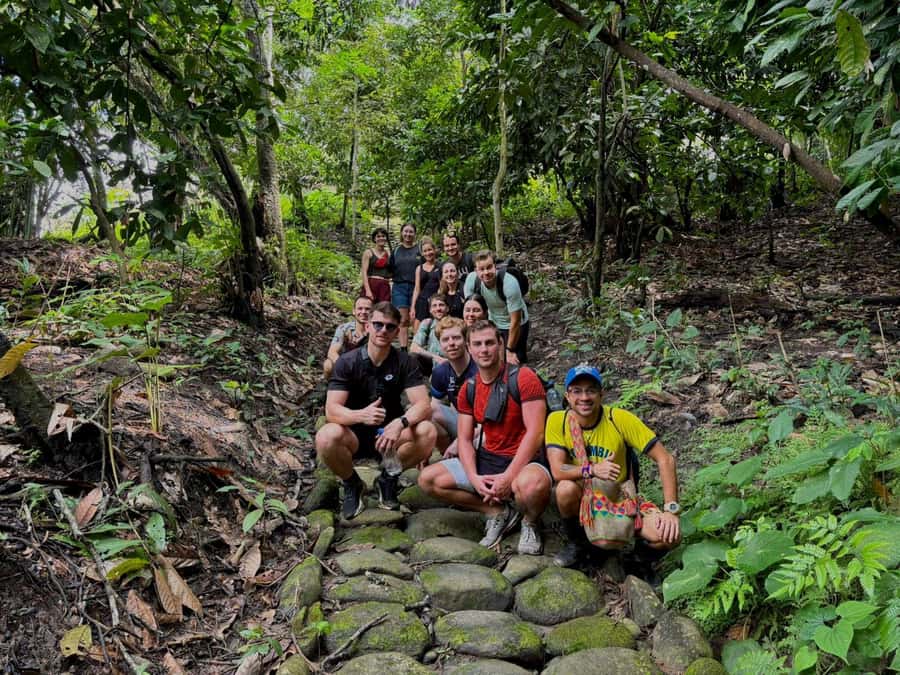
This experience is listed as medium difficulty, and that’s accurate in the practical sense. You should expect uneven natural paths, some uphill effort, and time that adds up. You’ll feel it more if you’re visiting with sandals or brand-new soles.
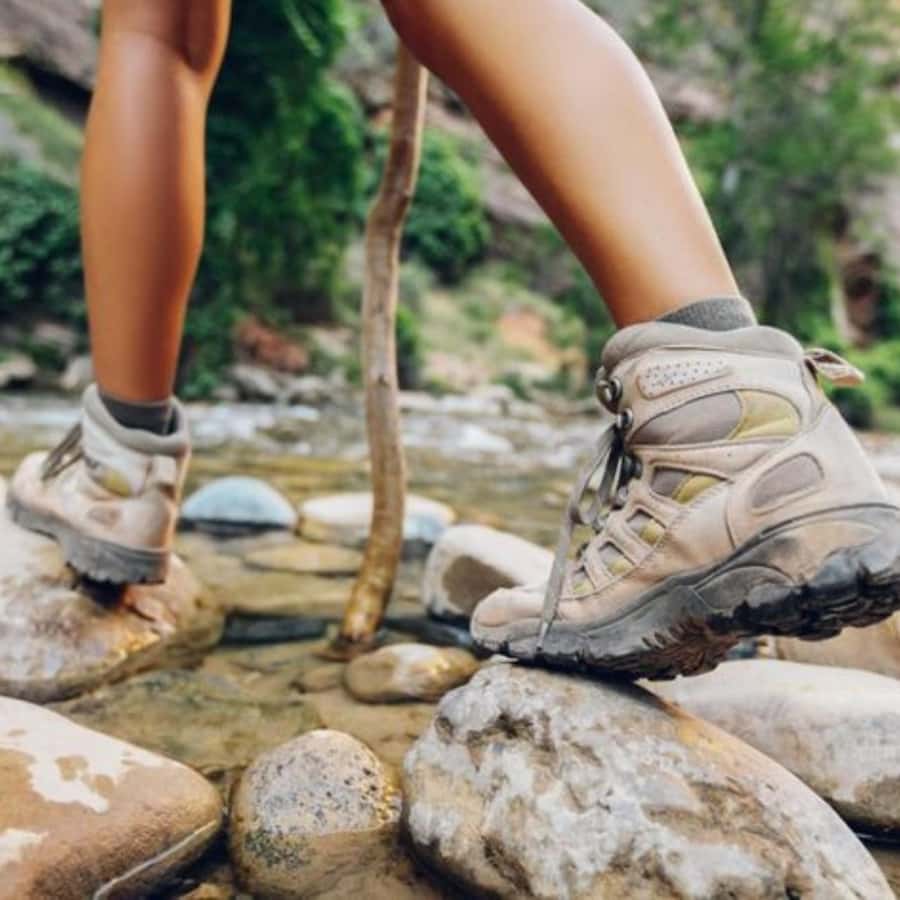
If you’ve got hiking shoes and a reusable bottle, you’ll be in good shape. Bring sunscreen and insect repellent too, because the schedule isn’t set up for “stop when you’re comfortable” in town. You’ll be out in the environment the whole time.
Good physical condition helps, but it’s not a technical climbing tour. It’s a hike where consistency matters: take your time, stay hydrated, and let the guide set the tempo.
Stop at Cabanas Bosque Cacao: a guided trail with Tayrona heritage
The core walking portion ties you to Indigenous heritage through the trails themselves. You’re not just told about history in the abstract. As you move along the route, you get explanations about the legacy of the Tayrona people and the communities connected to this territory, including Kogui, Wiwa, Arhuacos, and Kankuamos.
Here’s what I think is valuable for you: you come away with a sense of continuity. Indigenous life in the region isn’t presented as something frozen in the past. Instead, the guide frames how traditional knowledge remains connected to how people relate to nature today.
This is also where the reviews shine. People repeatedly point to guides like Jorge for giving clear, useful information about the local community, and for keeping the experience lively while still educational. If you get an English-friendly explanation from a guide like Andres or Santiago, you’ll likely appreciate that the farm stop and cultural context stay understandable, not overly academic.
The cacao and coffee farm: an Arhuaco family experience you can taste
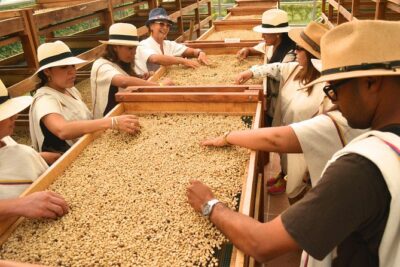
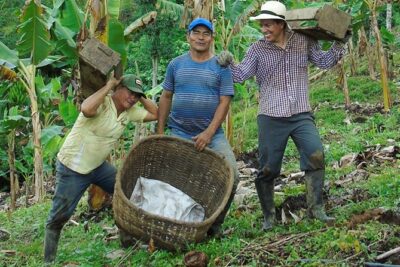
Your main destination is a cacao and coffee farm managed by an Arhuaco family. This is where the tour stops being just about walking and starts becoming practical.
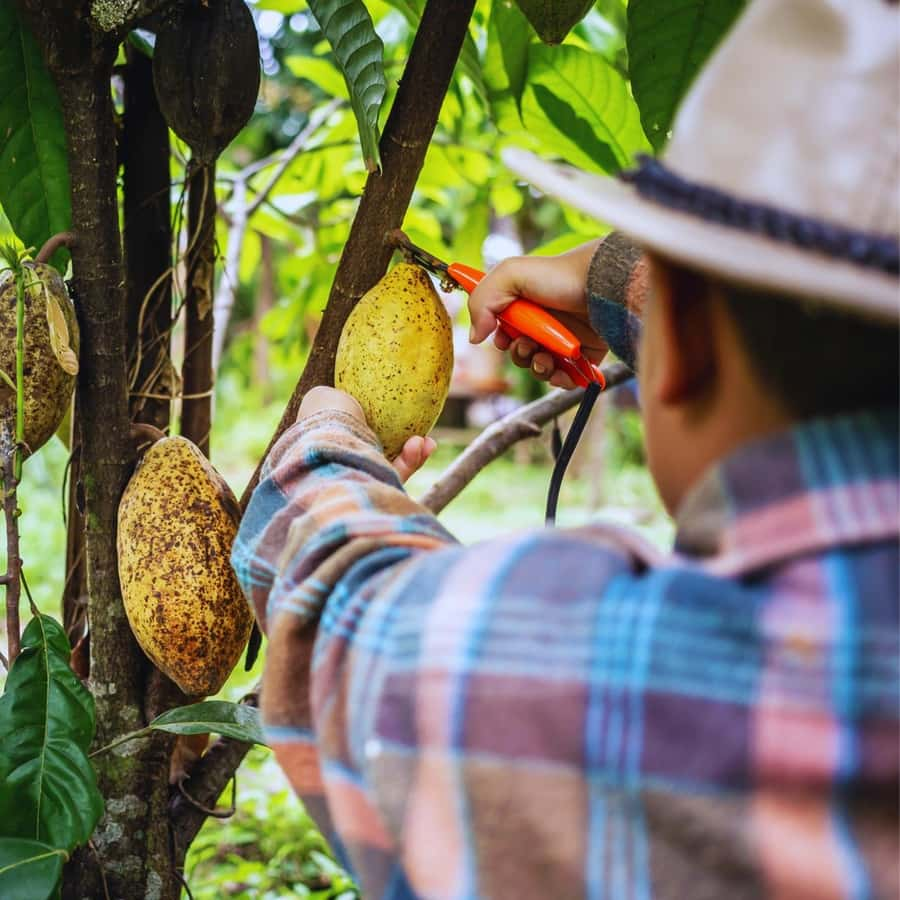
You’ll learn how cacao and coffee are cultivated and transformed, and how they connect to Indigenous uses within the Indigenous worldview. That last part matters. Without it, cacao and coffee become just products you consume. With it, you understand why certain practices exist and how the land and people are part of the same system.
You also get traditional tasting. This isn’t just sampling for novelty. It’s a way to connect the labor you heard about with what shows up in your cup or on a spoon. Even if you think you already know coffee, you’ll probably learn something new about the local approach and the steps along the way.
What I really like is the time to talk with community members. The tour isn’t built like a one-way presentation. You should come in with curiosity and questions, because the guide experience seems to invite them. In the reviews, people specifically mention friendly family members and clear explanations, including English support from the son in at least one case.
How the waterfall fits: a cool-down with meaning (and timing)
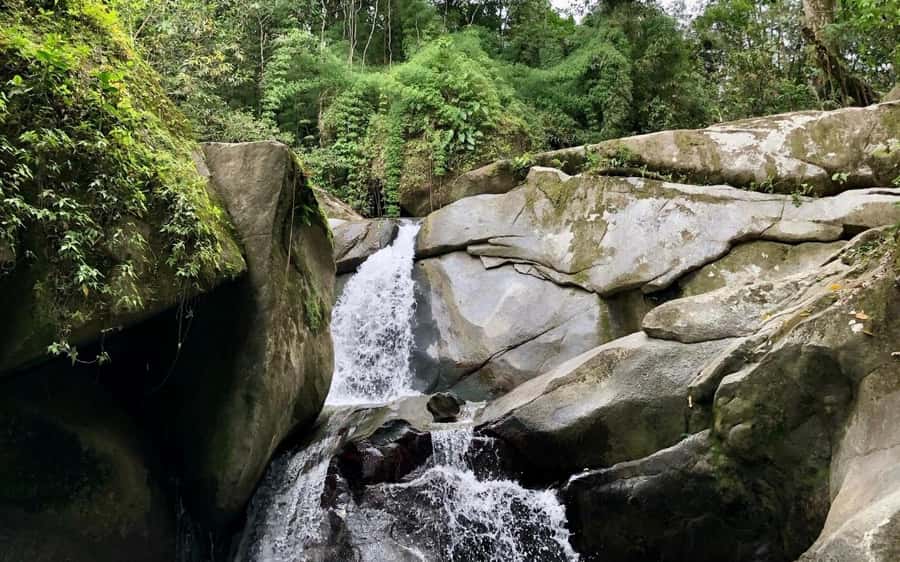
After the farm and the hike, there’s time to relax at a natural waterfall. The experience frames it as more than scenery. It’s a place where the connection between land and identity becomes visible in a physical way, because the waterfall is part of how the landscape shapes daily life.
Practically, this is your reward for the effort. You’ll also be glad you packed what you need because you might encounter a waterfall along the way, and the tour explicitly suggests bringing a swimsuit.
If you’re trying to travel light, this is the one place you shouldn’t skip: swimsuit and quick-dry layer. You’ll likely want to cool off, even if you only do a quick dip.
Price check: what $41 covers, and why it can be good value
At $41 per person for about 4.5 hours, the value depends on what you want from Minca. If you’re only after a short nature walk, there are other cheaper options. But if you want culture plus biology plus real local context, this price makes more sense.
Here’s what’s included that drives the value:
- A bilingual local guide specialized in Indigenous history and culture
- A guided hike on nature trails with Tayrona heritage context
- A visit to an Indigenous coffee and cacao farm managed by an Arhuaco family
- Explanation of cultivation and the Indigenous worldview
- Traditional cacao and coffee tasting
- Time to talk with community members
- Access to a natural waterfall to relax
- Direct contribution to Indigenous community projects
- Assistance insurance during the activity
What you don’t get:
- Food and beverages
- Transportation
So the smart way to think about it is: you’re paying for guided storytelling, a farm visit with tasting, and community support, not for a snack-and-stroll. If you budget for a drink and maybe a simple meal before or after, the overall day cost can still feel reasonable.
What to bring (and how to avoid the annoying mistakes)
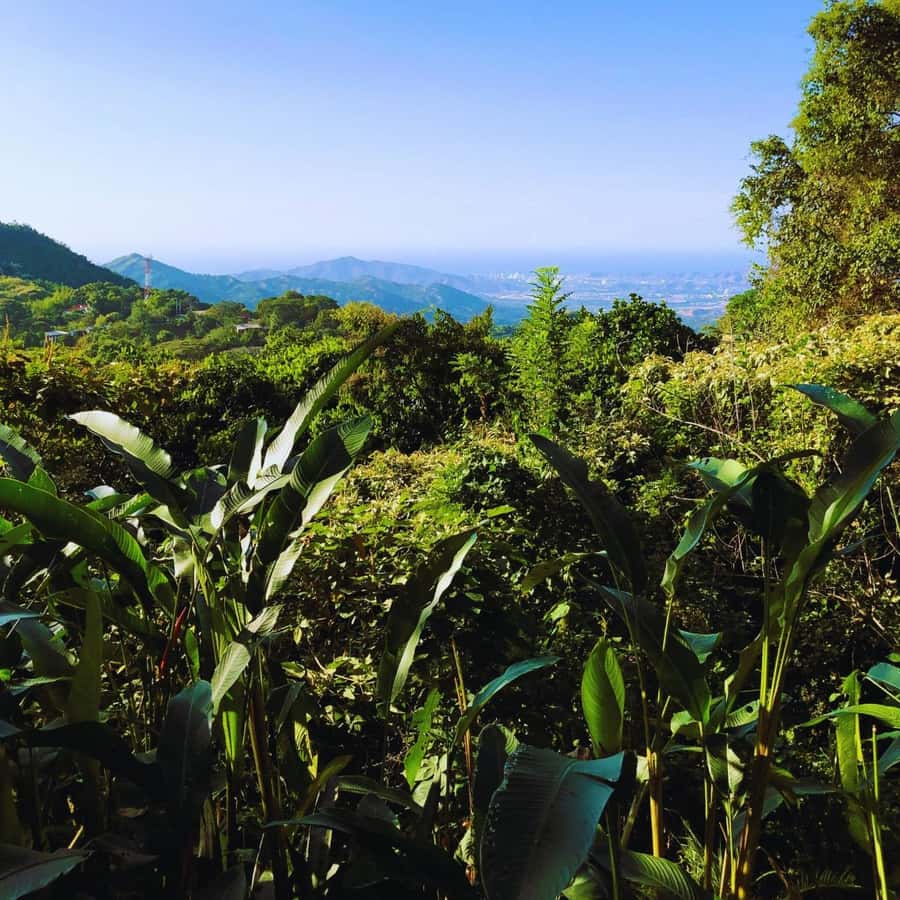
This tour is straightforward, but the details matter. Pack for real trail time and a possible water stop.
Bring:
- Comfortable shoes (hiking shoes are a safer bet)
- Sun hat and sunscreen (and biodegradable sunscreen is specifically recommended)
- Swimwear for the waterfall possibility
- Hiking pants
- Reusable water bottle
- Biodegradable insect repellent
- Trekking gear if you use it
Skip:
- Weapons or sharp objects
- Alcohol and drugs
- Littering
- Nudity
One small but important mindset tip: treat this as a cultural visit as much as a hike. Follow instructions from the Indigenous community during the farm portion. That respect keeps the experience authentic and comfortable for everyone.
Who this tour fits best (and who might want a different plan)
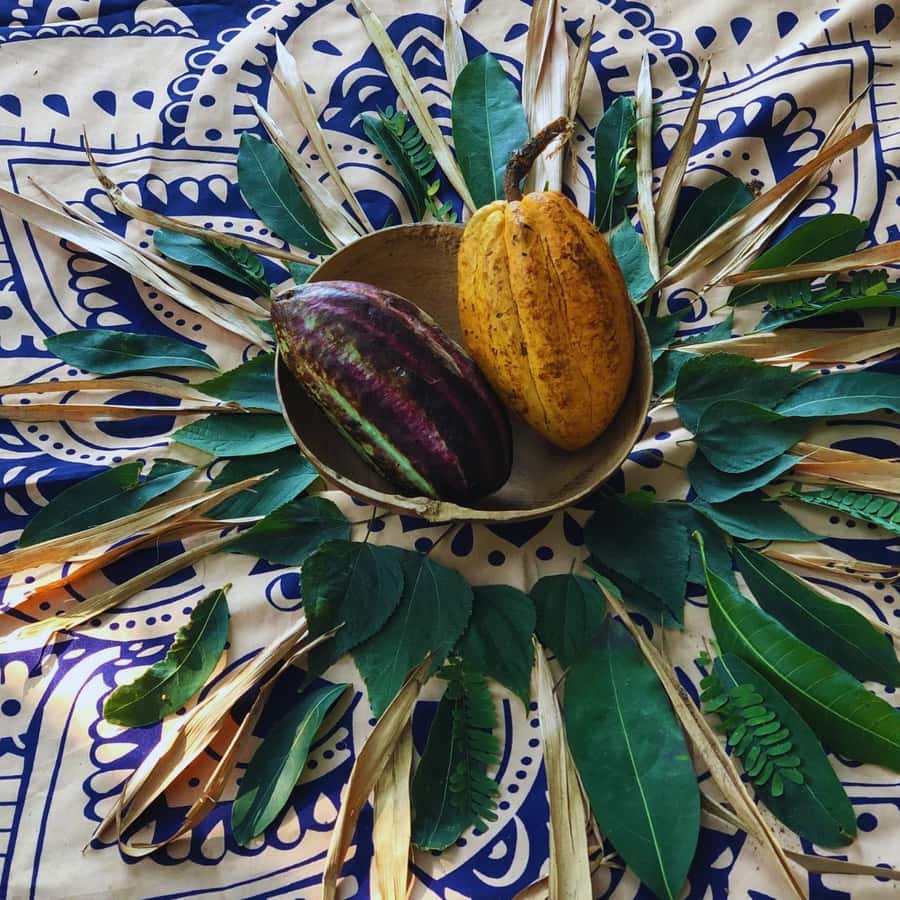
This is a great choice if you want a guided Minca outing that connects nature with Indigenous heritage. It’s also a good pick if you care about cacao and coffee and want the story behind what you taste.
It’s less ideal if:
- You’re traveling with kids under 12 (not suitable)
- You need wheelchair access (not suitable)
- You’re over 95 years old (not suitable)
- You don’t like medium-difficulty hiking and unpredictable trail conditions
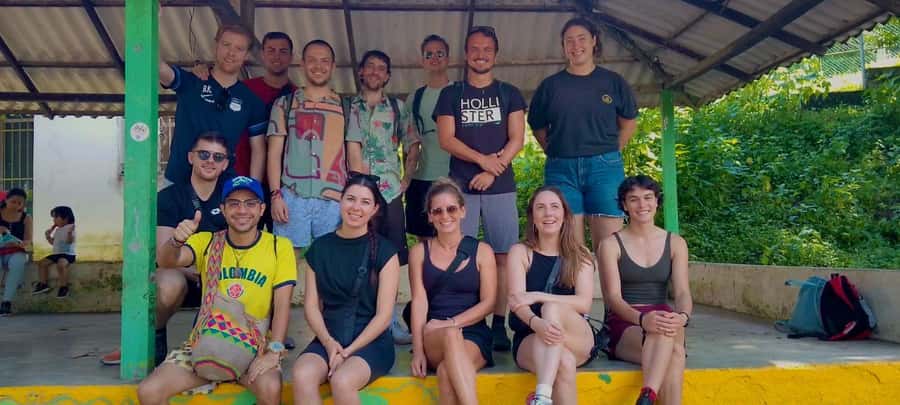
If you’re a solo traveler, a couple, or a small group, this format usually works well because the tour is structured and guided. You’re also given time to ask questions, which is where bilingual guides like Jorge, Andres, and Santiago tend to earn their praise.
Should you book this Tayrona trails + cacao and coffee + waterfall tour?
Book it if you want more than a walk in the woods. I’d choose it when you want hands-on tasting, cultural context tied to real people and real practices, and a waterfall break that doesn’t feel like an afterthought.
Skip it if you’re looking for an easy stroll, or if you hate hikes where the pace is outdoors-focused and food isn’t included. Also, if you’d rather avoid possible water contact, think twice about packing a swimsuit.
If you’re visiting Minca for a first experience and you want one activity that mixes history, biodiversity, Indigenous knowledge, and a refreshing finish, this is a strong option.