REVIEW · PEREIRA
Explore the Coffee Process_From Tree to Cup & Fun by Jeep
Book on Viator →Operated by Mountain Bike Tours Colombia - RetroCiclas MTB Bike Tours · Bookable on Viator
Coffee starts with a Jeep ride. In Pereira, Colombia, this tour takes you from the city up into the Andes, then into a working coffee farm where the whole story runs tree to cup. I like that it’s a true farm experience, not just a slideshow. You’ll spend your time with the hosts—Elizabeth and Arvey—and learn coffee as part of everyday life.
I also love the small group size (max 10), which keeps the pace relaxed and lets you actually do things, not just watch. The one catch is that you’re on a working plantation, so plan for farm smells, some insects, and uneven paths where you’ll want mosquito repellent.
In This Review
- Key things worth knowing before you go
- Jeep Ride Into Coffee Country Above Pereira
- A Working Coffee Finca, Not a Theme Park
- Andes to Plantation: How Coffee Grows With Other Crops
- Compost, Vermiculture, and the “Waste-to-Soil” Loop
- From Cherry to Cup: Washed, Honeyed, and Natural Styles
- Brewing Lesson You Can Actually Recreate at Home
- Snack Break: Coffee, Tea, Lemons, and Patacones
- What to Expect on the Ground (Paths, Bugs, and Real-Farm Life)
- Price and Value: Is $115 Worth It?
- Should You Book This Coffee Process Tour?
- FAQ
- How long is the Coffee Process Tour?
- How many people are in the group?
- What’s included in the $115 price?
- Is transportation from other cities included?
- Do I get picked up and dropped off?
- Can I cancel for a full refund?
Key things worth knowing before you go
- A traditional Jeep ride sets the tone fast, especially if you’re staying around Pereira and want scenic mountain time.
- Small-group attention (up to 10 people) means more hands-on brewing and roasting talk.
- Sustainability is built into the visit, with composting and vermiculture shown on site.
- You’ll compare coffee styles, learning how different processing methods affect flavor.
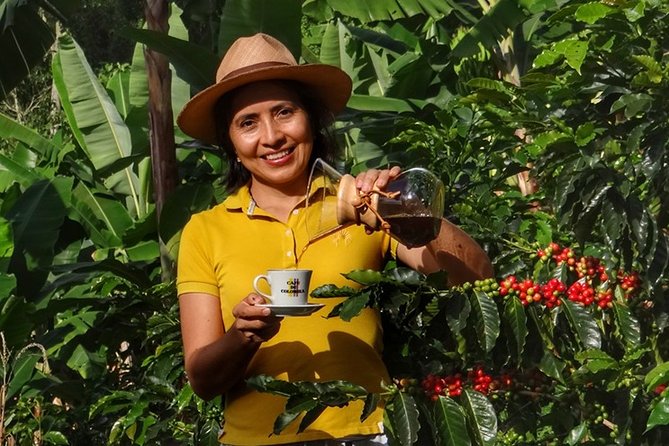
- It’s more than coffee: fruit trees like guanábana, cocoa, avocado, citrus, and more share the property.
- You’ll learn to brew Colombian coffee at home, not just taste it once.
Jeep Ride Into Coffee Country Above Pereira
The best part of this experience starts before you ever smell coffee. You’re picked up with the classic Jeep-style transport—the kind that feels like it belongs to coffee culture—and driven up into the Andean slopes. It’s a simple move, but it matters: someone else handles the driving, so you can focus on the views and the story you’re about to hear.
This is also timed as a half-day outing (about 4 hours), which makes it a smart fit when you want something memorable without eating your entire day. If you’ve booked well ahead—this tour is commonly reserved around a month in advance—you’ll likely avoid the stress of trying to fit it in last minute during busy Eje Cafetero days.
You can also read our reviews of more tours and experiences in Pereira.
A Working Coffee Finca, Not a Theme Park
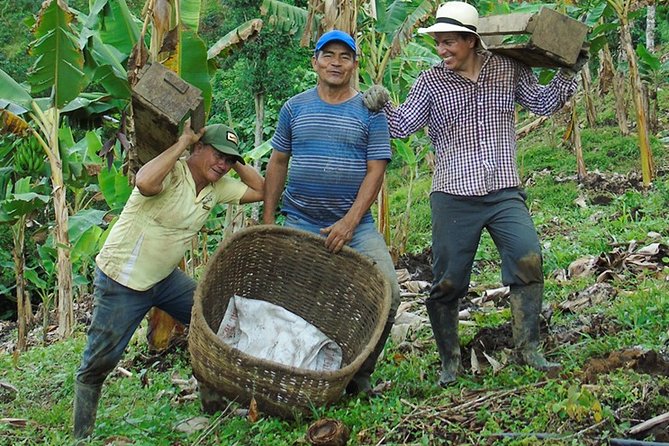
Once you arrive, the mood shifts from road-trip energy to farm rhythm. You walk the plantation with Elizabeth and Arvey and follow the whole process step by step—from the coffee plant itself to what ends up in your cup. The goal isn’t to impress you with complicated jargon. It’s to show you what happens, why it happens, and what to taste for when things are processed differently.
Because the group is capped at 10, the hosts can slow down and answer questions as they come. That turns the tour into a conversation, especially when you’re invited to do part of the coffee-making process. One moment you’re learning about coffee cherries; the next you’re involved in preparing and comparing cups.
And yes, you’ll likely realize something you didn’t expect: you can love coffee even more once you understand the plant, the processing, and the small choices that shape flavor.
Andes to Plantation: How Coffee Grows With Other Crops
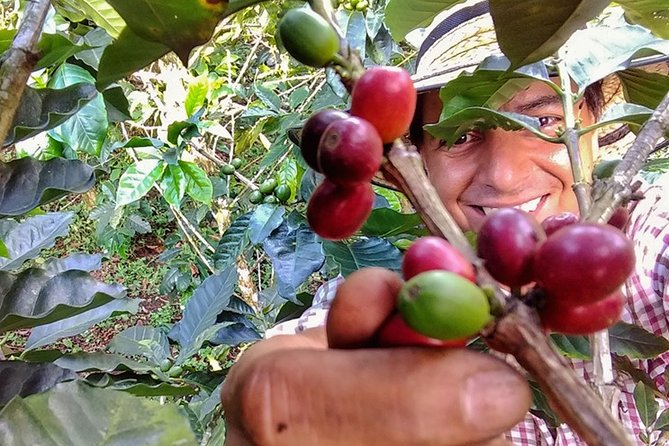
This isn’t a single-crop operation. The property includes coffee along with bananas and many other fruit and plant species. You might see cocoa and avocado trees, plus a full mix of citrus like orange, lemon, tangerine, and more. The farm grows fruits such as guava, papaya, mango, and guanábana too—so the coffee lesson comes with a wider look at Colombian agriculture and the land’s natural variety.
The hosts also talk about how the farm is run under strict sustainability criteria. You’ll hear the cultural side of it—clean agriculture, community values, and the idea of living as neo-peasants (people who returned to farming or built a new way of farming life). It’s part storytelling, part practical explanation, and it adds context you won’t get from a basic coffee tasting.
If you’re the kind of traveler who likes to see how food systems work, this portion is a highlight. It makes the coffee feel like something alive, not a product that appears in a café.
Compost, Vermiculture, and the “Waste-to-Soil” Loop
Coffee production on this farm is connected to soil health, and you get to see that link directly. You’ll visit the composting area for organic waste and learn how vermiculture (using worms to help break down organic matter) fits into the cycle. There’s also a nursery, which helps explain how young plants are raised and how the farm keeps itself going over time.
This is one of the best reasons to book the tour even if you think you already know coffee. Most tastings stop at the cup. Here, you learn how the farm prepares its foundation—then you taste the results.
It also helps you connect the sustainability message to something real. When you can point to the composting setup and understand what’s being fed back into the soil, the “responsible farming” talk becomes more than marketing.
From Cherry to Cup: Washed, Honeyed, and Natural Styles
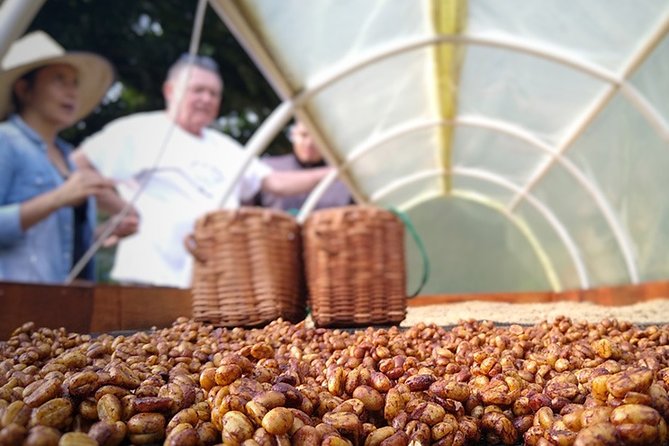
Here’s where the coffee part gets serious—in a good way. You’ll learn about processing after harvesting, including fermentation and washing methods. You’ll hear how those choices create different bean styles: washed, honeyed, and natural.
This matters because those names aren’t just labels. They’re cues for flavor. Washed processing tends to feel cleaner and brighter, while natural processing often brings more fruit-forward character. Honeyed sits in the middle depending on how it’s handled. You won’t have to memorize everything, but you’ll learn what to look for and what questions to ask next time you buy coffee.
Then you get to taste and compare. The tour isn’t only about talking; it includes making cups on site too. Elizabeth’s guidance covers how to prepare Colombian coffee and how to translate what you taste into a method you can repeat at home.
You’ll also get time with roasting basics, including what hosts describe as a roasting curve. That’s valuable if you’re the type who wants to know why a coffee tastes the way it does, not just that it tastes good.
Brewing Lesson You Can Actually Recreate at Home
A lot of coffee tours offer tasting and a quick explanation. This one pushes further, with a hands-on brewing teaching moment that’s meant to be easy enough to do later. The hosts show you how to prepare a delicious Colombian coffee with steps you can repeat without specialized gear or a professional background.
That’s a big deal for value. If you’re going to pay for a tour, you want more than a souvenir cup. You want skills. And in this case, the skill is practical: brewing Colombian coffee using a method you can carry back into your everyday routine.
It also makes the tasting portion land better. When you understand the brewing process, the difference between processing styles becomes clearer in your own mouth, not just in someone’s explanation.
Snack Break: Coffee, Tea, Lemons, and Patacones
Between farm walking and coffee lessons, you’ll get drinks and small bites. Included in the experience are coffee and/or tea plus snacks. The farm also serves refreshment made from ingredients grown on site.
One standout example from the visit is lemonade made with fresh lemons from the farm, plus patacones—pan-fried plantain slices. This sort of food matters because it keeps the experience grounded in the same place you’re learning about. You’re not eating packaged snacks while you learn about agriculture. You’re eating as part of the farm routine.
If you’re a coffee lover, the pacing is also friendly. You’re not pushed to drink cup after cup back-to-back. You get breaks, conversation time, and a chance to reset your sense of taste before comparing coffees again.
What to Expect on the Ground (Paths, Bugs, and Real-Farm Life)
You’re visiting a real working plantation, so you should expect farm conditions. There are bugs, since it’s outdoors and alive with plants and animals. If you’re sensitive to mosquitoes, plan to wear repellent. Comfortable shoes help too, because farm surfaces can be uneven.
On the positive side, accessibility has been described as practical for many needs. You might find the trails and demonstrations set up to be handicap friendly, and some areas are described as wheelchair and blind accessible. Still, this is nature and a working farm, so you’ll want to be realistic about walking.
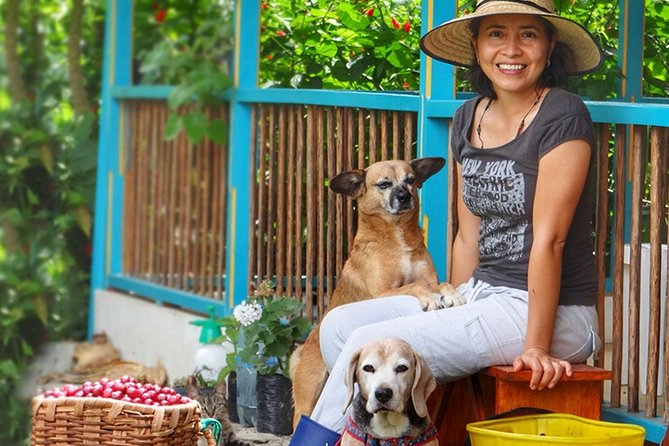
You’ll also see animals as part of the farm scene—things like chickens and roosters, plus dogs that live on the property. It’s not a zoo stop; it’s the farm atmosphere, which makes the day feel more personal.
Price and Value: Is $115 Worth It?
At $115 per person for about 4 hours, you’re paying for more than a drink. You’re paying for guided time on a functioning finca, entrance, and hands-on teaching. The price includes private transportation, pickup and drop-off, and coffee and/or tea plus snacks—so you’re not scrambling to add local transport or figuring out what to do after you arrive.
That included transport is especially valuable if you’re staying in Pereira. You get the scenic ride up and you don’t have to manage local driving on your schedule. The tour also limits groups to 10, which is a real quality-of-experience factor. If you’ve ever been stuck in a big group where you can’t ask questions, you’ll appreciate the smaller size immediately.
If you’re coming from outside Pereira, the tour notes an additional $25 USD for transportation from other cities. Decide early based on where you’re staying and how you plan to connect that day.
Overall, this is one of those experiences where the skill and context you gain can make the cost feel reasonable—especially if coffee is a big part of your trip.
Should You Book This Coffee Process Tour?
If you want a coffee experience that feels like someone’s actual life, this one fits. Book it if you care about sustainable farming, want a clear understanding of processing methods like washed, honeyed, and natural, and would like to learn how to brew Colombian coffee at home. The small group setting and the Jeep ride are nice, but the real win is the full chain: plant, soil, processing, roasting, and brewing.
Skip it if you want a super-fast tasting with no walking, or if you dislike farm settings with insects and outdoor conditions.
FAQ
How long is the Coffee Process Tour?
It runs for about 4 hours.
How many people are in the group?
The tour has a maximum of 10 travelers.
What’s included in the $115 price?
Coffee and/or tea, snacks, private transportation, and entrance and a guide are included.
Is transportation from other cities included?
Transportation from other cities is not included. There’s an additional $25 USD cost for those coming from elsewhere.
Do I get picked up and dropped off?
Yes. Stress-free hotel pickup and drop-off are included.
Can I cancel for a full refund?
Yes. You can cancel up to 24 hours before the experience for a full refund, and free cancellation is available. Confirmation is received at the time of booking, and the tour has a minimum number of travelers (if it doesn’t meet the minimum, you’ll be offered a different date/experience or a full refund).