REVIEW · HANOI
Vietnamese Coffee 101 Workshop
Book on GetYourGuide →Operated by Sondax Travel Agency - Hoa Binh company · Bookable on GetYourGuide
Phin filters make coffee personal. This Hanoi workshop is a hands-on way to understand Vietnamese coffee beyond ordering it, from bean types to brewing you can actually repeat at home.
I especially like the phin filter practice and the fact you leave with a recipe book for your next cup. One possible drawback: the menu includes several coffee styles, and the coffee cocktail option uses spirits, so it may not match every taste or alcohol comfort level.
Key points to know before you go
- Phin filter training: you learn the classic Vietnamese brew method and then try it yourself
- More than one brewing style: phin plus pour-over and other approaches
- A real tasting menu: from original brown coffee to egg coffee, coconut coffee, and coffee cocktails
- You don’t just watch: you brew, taste, and get guidance as you go
- Take-home materials: recipe book plus free digital coffee books
In This Review
- Why This Hanoi Vietnamese Coffee 101 Workshop Feels Practical
- The Coffee Story You’ll Learn (Without Pretending It’s Complicated)
- The 3-Hour Flow: History, Tasting, Then Your Own Brew
- Mastering the Iconic Phin Filter (And Why It Matters)
- Tasting the Menu: Brown Coffee, Coconut Coffee, Egg Coffee, and More
- Brewing Your Own Cup (This Is Where It Clicks)
- Coffee Art and Latte Art: Fun Practice, Not Just a Photo Op
- What You Get for Your $22 Ticket Price
- Logistics That Matter: Location, Pickup, and Timing
- Who This Workshop Is Best For
- Optional Add-Ons If You Want More Hanoi Coffee
- Potential Trade-Offs Before You Book
- Should You Book This Vietnamese Coffee 101 Workshop?
- FAQ
- How much does the Vietnamese Coffee 101 Workshop cost?
- How long is the workshop?
- Where does the workshop take place?
- Is the workshop taught in English?
- Do I learn how to brew with the phin filter?
- What types of coffee are included in the tasting?
- Is there a recipe book included?
- Is there any option for coffee-related documents or books?
- What if I need pickup outside Hanoi’s Old Quarter?
- Can I cancel or book without paying immediately?
Why This Hanoi Vietnamese Coffee 101 Workshop Feels Practical
If you’ve ever wondered why Vietnamese coffee tastes different from what you get at home, this is the kind of class that answers it with your own hands. You spend about 3 hours learning what’s behind the flavor, then you make coffee yourself in a guided setting.
The workshop runs in Dong Bac, Vietnam, and it’s taught in English. It’s also set up with a small-group feel, which matters because coffee brewing is not a passive activity. You get help while you’re pouring, timing, and adjusting.
The Coffee Story You’ll Learn (Without Pretending It’s Complicated)
The class starts with context: coffee’s origins and how it arrived in Vietnam, then how that history shaped everyday coffee culture. You also get a practical look at the difference between coffee bean varieties and what those differences mean in the cup.
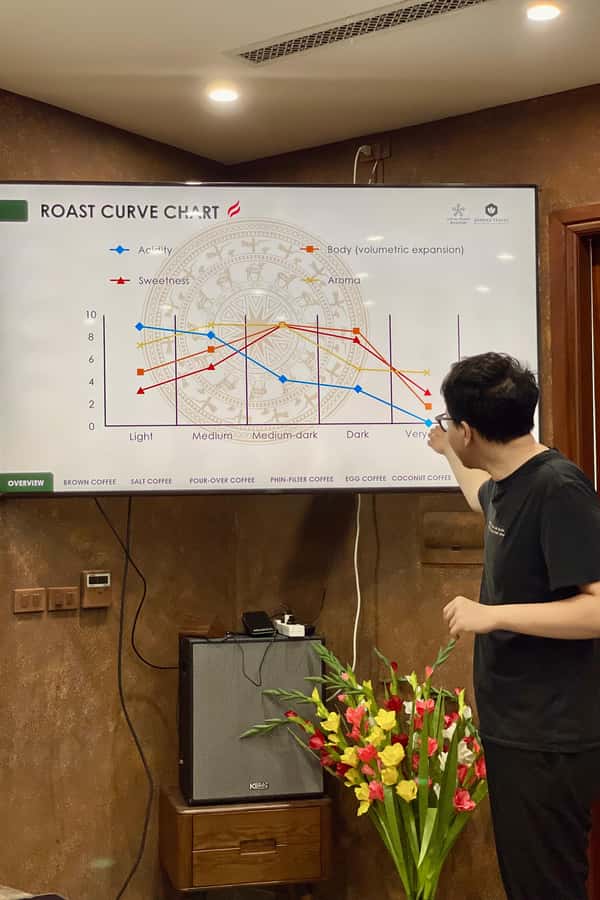
Roasting comes up too, including how roast level affects flavor. The goal isn’t to turn you into a lab scientist. It’s to help you taste with a reason, so your next order in Hanoi or anywhere else makes more sense.
You’ll also learn the basics that affect every Vietnamese-style cup:
- coffee-to-water ratio
- grind size
- brew time and how it changes strength and bitterness
You can also read our reviews of more tours and experiences in Hanoi.
The 3-Hour Flow: History, Tasting, Then Your Own Brew
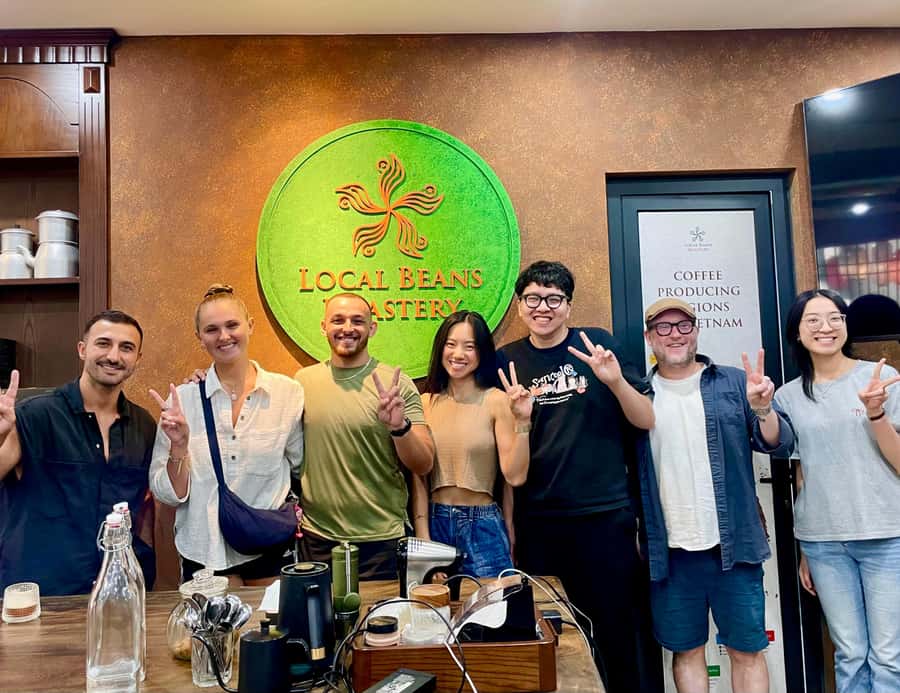
You should expect the workshop to move in a logical sequence: background first, tasting second, then hands-on brewing. That order is smart. You taste best when you know what you’re tasting, and you learn faster when you’re brewing right after the explanation.
A typical progression looks like this:
1) Coffee history and beans: you build the mental map
2) Tasting multiple styles: you compare flavors side-by-side
3) Brewing technique demos: your instructor shows the method and targets
4) Your turn at the machine-less part: you use the phin filter and then create your own cup
Because you’re there for 3 hours, you’re not rushed through the hard part. You get enough time to understand what makes Vietnamese coffee work, then apply it while the details are still fresh.
Mastering the Iconic Phin Filter (And Why It Matters)
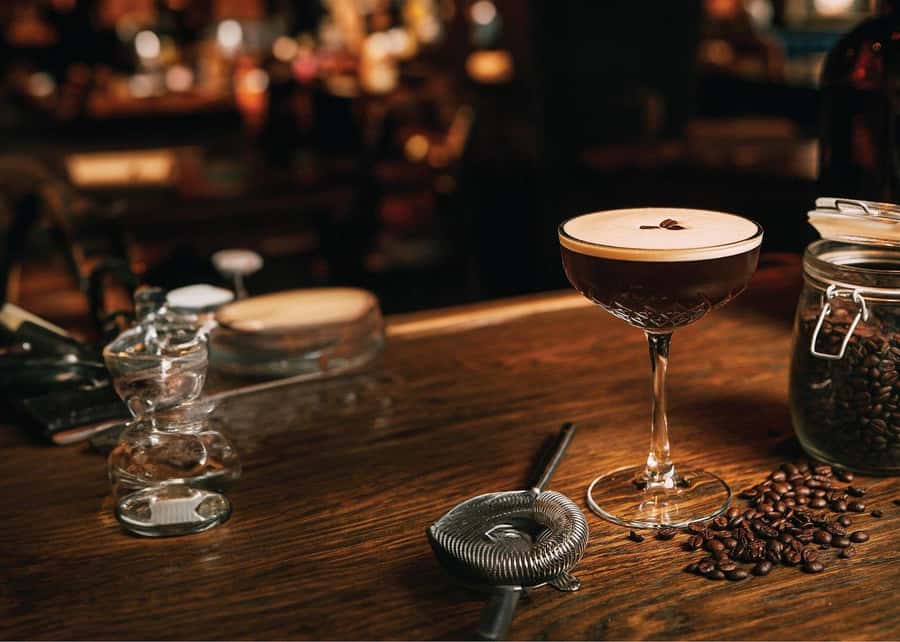
The star of the workshop is the phin filter. This is the method you see in Vietnam all over the place, and it’s one reason Vietnamese coffee can taste so bold even when it doesn’t look complicated.
You learn the mechanics and the reasoning:
- how the filter and slow drip affect extraction
- why grind size matters for flow and strength
- how brew behavior changes the final flavor
What I like about this focus is that it’s not just tradition for tradition’s sake. Once you understand the phin, you can make sensible adjustments at home instead of guessing.
Tasting the Menu: Brown Coffee, Coconut Coffee, Egg Coffee, and More
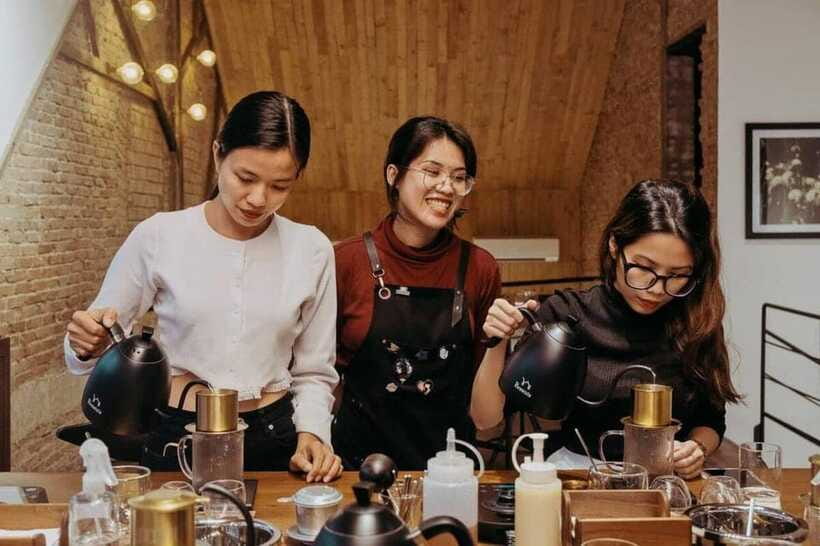
This workshop is built around tasting. The menu you’ll sample includes classics and curveballs, so you can find what you actually like, not what a brochure says you should like.
Here are the coffee styles listed for the workshop:
- Original Vietnamese Brown Coffee: strong, bold coffee brewed with a traditional phin filter, served hot or iced
- Vietnamese Coconut Coffee: coffee mixed with creamy coconut milk for a tropical twist
- Signature Vietnamese Egg Coffee: coffee combined with a creamy egg yolk mixture, giving a rich, velvety texture
- Pour-over Coffee: a more refined style that highlights the natural character of each bean
- Coffee Cocktail: coffee blended with spirits for an adult-friendly twist
Two practical points for you:
1) If you dislike sweetness or dairy, you should pay attention to which drinks are served with creamy ingredients.
2) If you prefer avoiding alcohol, ask how the coffee cocktail is handled for your group.
Brewing Your Own Cup (This Is Where It Clicks)
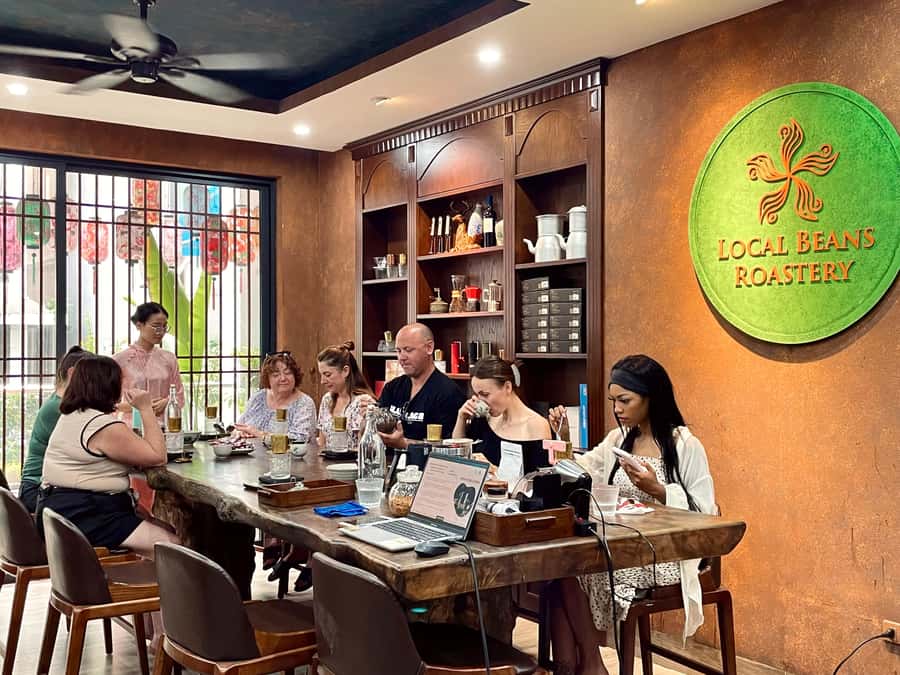
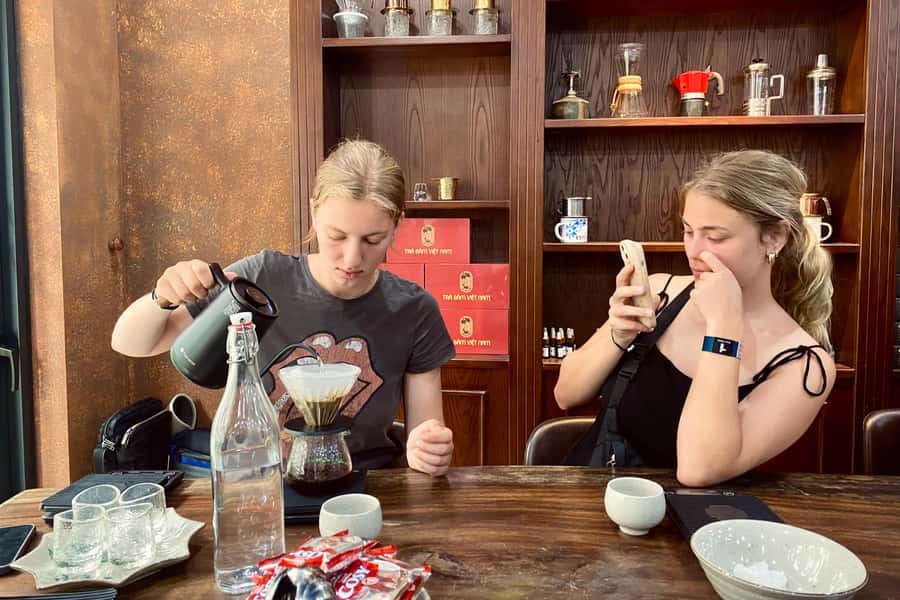
The most valuable part is that you don’t just taste. You roll up your sleeves and brew.
That hands-on time matters because Vietnamese coffee is sensitive to small changes. When you brew yourself, you notice things you’d never catch from watching someone else:
- how the grind affects speed and bitterness
- how timing changes strength
- what a properly brewed cup tastes like versus an over-extracted one
You’ll also learn about modern brewing methods like pour-over and how they compare to Vietnamese style. That comparison is great for your future choices. If you travel again and want to order something smarter, you’ll know what brewing method is likely behind the flavor.
Coffee Art and Latte Art: Fun Practice, Not Just a Photo Op
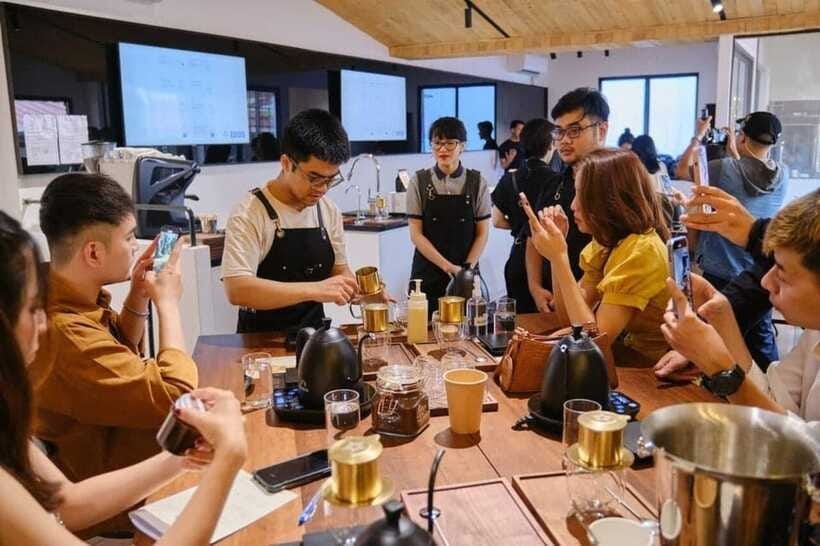
The workshop also covers coffee art and latte art basics. Even if you’re not going to become the next barista on your block, it’s still useful.
Why? Because you learn how texture and pouring behavior affect what ends up in the cup. It’s part science, part technique, and part confidence-building.
You’ll make drinks you can taste right away, which is better than learning art moves without the payoff.
What You Get for Your $22 Ticket Price
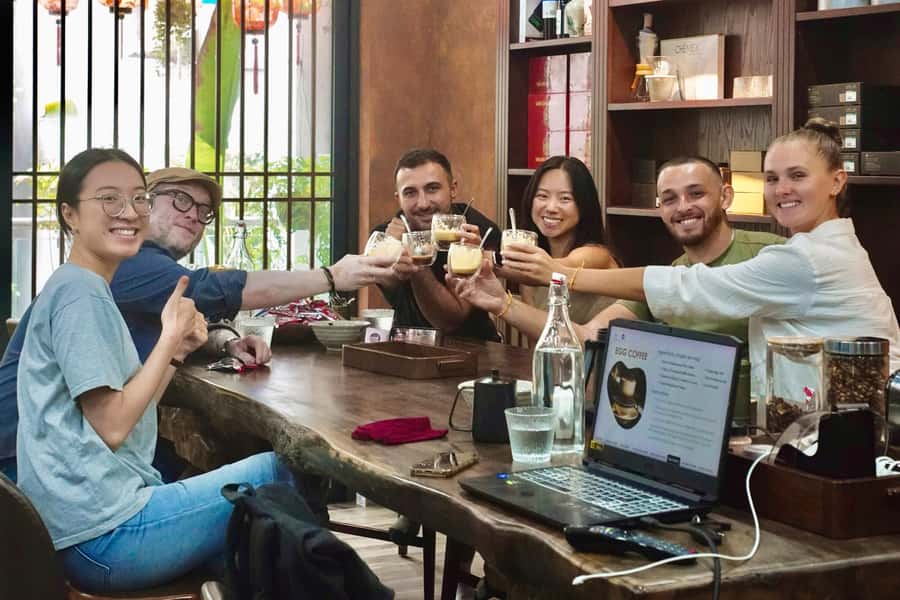
At $22 per person for about 3 hours, the value comes from what’s included, not just the coffee. This isn’t a quick tasting where you leave with memories and an empty cup.
Included with your spot:
- an English-speaking coffee guide with knowledge of history, cultivation, roasting, and brewing
- hands-on brewing practice, including Vietnamese phin filtering and other methods
- premium coffee beans and fresh ingredients
- a recipe book you can use anywhere
- free digital copies of coffee books related to what you learn
- a professional certificate if you request it
Also, you’re paying for guided attention. Coffee classes are one of those activities where the instructor’s corrections are the whole point. If you’ve ever struggled to fix bitterness or watery coffee at home, this is exactly the kind of setting that helps.
Logistics That Matter: Location, Pickup, and Timing
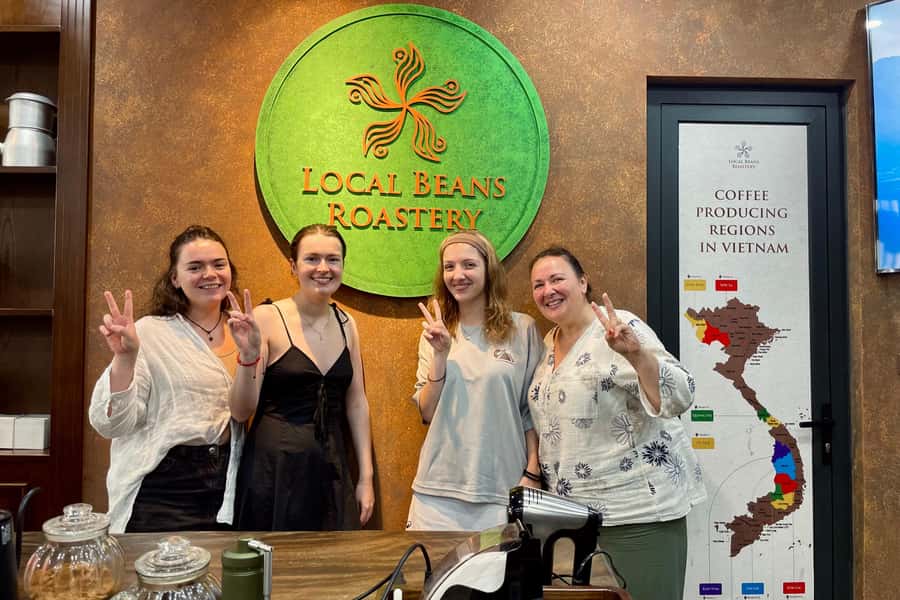
The workshop is in Dong Bac. Starting times vary, so you’ll want to check availability before you plan your day around it. It’s designed to fit into a half-day window because it runs about 3 hours.
Pickup is included only if you’re within the Old Quarter Area. If you’re outside that zone, additional pick-up fees may apply. If you’re staying farther out, it’s smart to confirm your pickup details early.
Who This Workshop Is Best For
This is a great choice if you:
- want a hands-on introduction to Vietnamese coffee techniques
- like learning by tasting, not just by reading
- plan to spend time in Hanoi and want your coffee orders to make more sense
- enjoy practical skills you can repeat later, not just souvenirs
It may be less ideal if you:
- don’t drink coffee at all (the workshop menu is coffee-centered)
- strongly dislike dairy or alcohol options, since the listed menu includes coconut-style creamy drinks and coffee cocktails with spirits
Optional Add-Ons If You Want More Hanoi Coffee
If you catch the bug, the experience can grow into a bigger coffee day. The workshop offers optional add-ons such as:
- a coffee tasting tour through Hanoi’s historic coffee shops
- a private coffee workshop tailored to your interests
- coffee bean shopping for higher-quality Vietnamese beans and instruments like a phin filter
That’s a good path if you want both skill and scouting: learn how to brew first, then buy what matches your taste.
Potential Trade-Offs Before You Book
Here’s what you should think about before committing:
- The workshop is structured around a set menu of coffee styles, so you’re not choosing your exact drinks on the fly.
- The experience includes coffee cocktail options with spirits, which may not suit everyone.
- You’ll get the best results if you’re willing to participate in brewing, not just watch from the sidelines.
If you’re comfortable with those points, you’ll likely have a rewarding time.
Should You Book This Vietnamese Coffee 101 Workshop?
I’d book it if you want more than sipping in Hanoi. This class gives you the core skill behind Vietnamese coffee, especially the phin filter, plus a tasting lineup that includes both classics and fun variations like egg coffee and coconut coffee. The take-home recipe book is also a big deal because it turns your workshop into something you can use after your trip.
Skip it if you’re short on time and only want a quick, passive tasting, or if you don’t drink coffee and prefer tea-focused experiences.
If you’re the type of traveler who likes to come home with a practical ability, this one is worth putting on your Hanoi plan.
FAQ
How much does the Vietnamese Coffee 101 Workshop cost?
The price is $22 per person.
How long is the workshop?
The duration is 3 hours.
Where does the workshop take place?
It takes place in Dong Bac, Vietnam.
Is the workshop taught in English?
Yes, the instructor is English-speaking.
Do I learn how to brew with the phin filter?
Yes. Traditional Vietnamese brewing with the phin filter is a core part of the workshop, and you get hands-on brewing time.
What types of coffee are included in the tasting?
The menu includes Vietnamese coconut coffee, original Vietnamese brown coffee, pour-over coffee, Vietnamese egg coffee, and coffee cocktails.
Is there a recipe book included?
Yes. A recipe book is provided so you can make the brews at home.
Is there any option for coffee-related documents or books?
Yes. You also get free digital copies of coffee books related to the workshop.
What if I need pickup outside Hanoi’s Old Quarter?
Additional pick-up fees may apply if your position is out of the Old Quarter Area.
Can I cancel or book without paying immediately?
There is free cancellation up to 24 hours in advance for a full refund, and you can reserve now & pay later.