REVIEW · UGANDA
Coffee Tour Experience
Book on Viator →Operated by Discover Sipi · Bookable on Viator
Coffee feels like a story here. On Mount Elgon, Discover Sipi runs a hands-on village coffee process where you pound dry beans, roast them over fire, and taste styles like red honey, yellow honey, natural, and semi washed. I love the organic, do-it-yourself steps and the way guide William connects the cup to everyday life in the Sipi area. The one drawback to plan around is that the experience needs good weather.
You’ll start at Discover Sipi near Sipi Falls on the Mbale-Kapchorwa Road and end back at the same meeting point. In many cases, the day pairs a village walk around Sipi with the coffee workshop, and the whole thing lasts about 2 hours 30 minutes. This is a private experience just for your group, and you’ll use a mobile ticket.
In This Review
- Key highlights you’ll care about
- Why a village coffee process on Mount Elgon is worth your time
- Where you start by Sipi Falls and how the day flows
- Coffee 101 in the village: pounding, roasting, grinding, and tasting
- Picking your cup: red honey, yellow honey, natural, and semi washed
- The Sipi-area setting: walking village paths and meeting people
- Price and value: $15 for coffee (and what you bring yourself)
- Practical tips to make your day smoother
- Who should book this coffee tour?
- Should you book Discover Sipi’s coffee tour?
- FAQ
- How much does the Uganda coffee tour cost?
- How long is the experience?
- What is included in the price?
- What is not included?
- Where does the tour start and end?
- Is the coffee tour private?
- What coffee options can you make or taste?
- Is the tour dependent on weather?
- What is the cancellation policy?
Key highlights you’ll care about
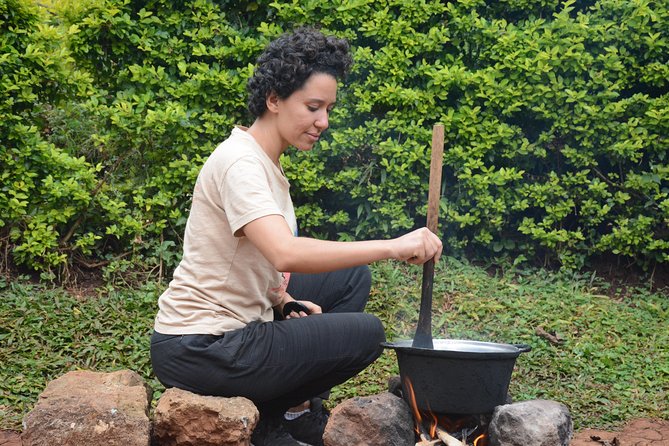
- Hands-on coffee making: pounding dry beans, removing husks, then roasting over fire with firewood
- Pick your coffee style: red honey, yellow honey, natural, or semi washed
- Guide-led village storytelling: the coffee journey connects to farming, missions, and trade routes in the region
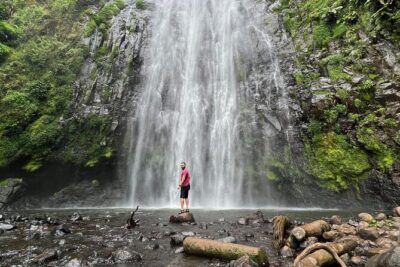
- Sipi-area setting: start near Sipi Falls and spend real time in the community environment
- Great group feel: private tour, friendly hosting, and time for questions at a working farm
Why a village coffee process on Mount Elgon is worth your time
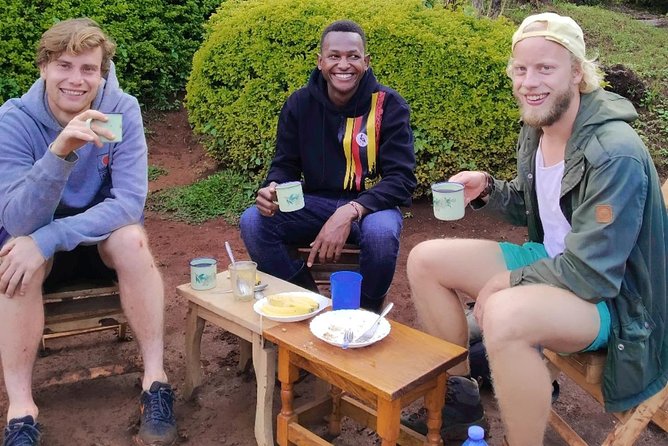
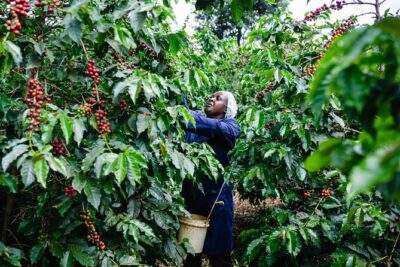
If you think coffee is just something you buy in a mug, this tour shifts the whole story. Coffee is one of the main cash crops on the slopes of Mount Elgon, and you see the work behind what ends up in your cup.
What I really like is that this isn’t a lecture-only experience. You’re doing the steps: pounding dry beans with a wooden mortar to remove the husks, then roasting them in a fire setup using a dry saucepan and little firewood. That hands-on rhythm makes the differences between coffee styles feel real, not abstract.
You also get the origin story that explains why coffee matters beyond caffeine. People often link the start of coffee to Ethiopia, told through a goat story about discovering the sweet sap inside the coffee fruit skin. Later, commercialization spread through missionaries and Indian merchants, and missionaries even sent coffee to relatives as gifts. That kind of background puts today’s farming choices into a bigger human timeline.
The Sipi community setting adds another layer: you’re not just learning coffee chemistry, you’re learning how coffee fits local life. If you enjoy culture, conversation, and seeing daily routines, you’ll get more out of this than a standard tasting session.
You can also read our reviews of more tours and experiences in Uganda.
Where you start by Sipi Falls and how the day flows
The tour starts at Discover Sipi on the Mbale-Kapchorwa Road near Sipi Falls, Tingey County, Kapchorwa District. You also end back at the same meeting point, so you’re not stuck figuring out a pickup somewhere else.
Duration is listed at about 1 day 2 hours 30 minutes. In practice, that length works well for visitors who want meaningful time outdoors but don’t want a full-day grind.
Many tours like this in the Sipi area include a morning waterfall hike and then transition into the coffee workshop afterward. That pairing makes sense: you stretch your legs first, then settle down for a slower, hands-on process. Either way, build your day around comfort and good timing, not tight back-to-back plans.
Because it’s a private activity, the pace is more flexible for your group. If you want more explanation about how roasting affects flavor, you can usually ask and get it—especially from a host who enjoys guiding people through the steps.
One practical note: this experience is weather-dependent. The tour needs good weather, and if it’s canceled due to poor weather, you’ll be offered a different date or a full refund.
Coffee 101 in the village: pounding, roasting, grinding, and tasting
The heart of this experience is the organic, village-style method. You start with dry coffee beans and the first step is pounding using a wooden mortar. The goal is simple but satisfying: remove the husks so the usable bean is ready for roasting.
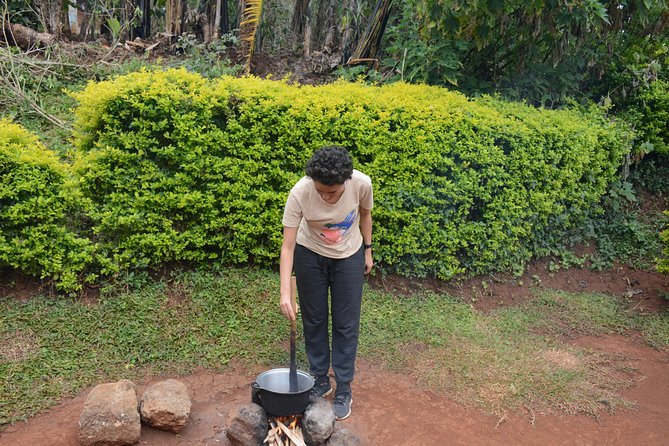
Then comes roasting. You’ll roast the beans in fire, using a dry saucepan and little firewood. Roasting by fire is a different sensory experience than roasting in a factory machine. You’ll be close to the process, so you can notice how the beans change and smell as they warm.
Even if you’re not the type who nerds out about roast curves, you’ll understand the basics fast. Light and darker roasts can feel different in aroma and taste, and doing the steps yourself helps your brain connect cause and effect.
Next is the grounding stage. Coffee is brewed from ground beans, so grinding is where you shift from preparation to flavor. You may also see different approaches depending on the coffee style you choose, but the key takeaway is this: the method is part of the result.
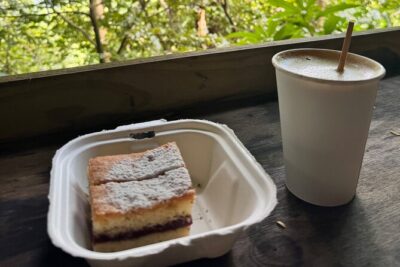
Finally, you taste coffee and/or tea. This matters because the tour isn’t only about performing tasks. It’s about tasting what your hands just helped create, right there in the village environment.
If you like asking questions, use the moment. Ask why the guide chooses a particular roasting level, or how different preparations affect flavor. Guides in this setting often explain things in a way that feels practical, not technical.
Picking your cup: red honey, yellow honey, natural, and semi washed
One of the best value parts of this tour is that you’re not stuck with one standard cup. You get options: red honey coffee, yellow honey coffee, natural coffee, and semi washed coffee.
What this means for you is choice and contrast. Instead of judging coffee by one flat baseline, you can compare styles made with different processing approaches. That gives you a clearer sense of what you personally like, whether that’s fruitier notes, a smoother feel, or a more traditional coffee profile.
I’d treat this like a guided tasting. If red honey appeals to you, take that as a clue about how you like the sweetness and body. If natural or semi washed feels better, you’ll learn what preparation style tends to match your taste.
Also, don’t overthink it. You’re in a working village farm context, not a tasting lab. Ask what makes each one different, and trust your palate for the final answer.
And because the roasting and grinding are part of the experience, your cup isn’t just sampled from a pre-made jug. You’re seeing (and often participating in) the steps that shape the final flavor.
The Sipi-area setting: walking village paths and meeting people
Even though this is fundamentally a coffee tour, the setting matters. You’re in the Sipi-Elgon region, and your time isn’t confined to a back-room demo.
Some days include a hike connected to Sipi Falls, and that can be a great way to break up the tour into two moods. Morning movement outdoors, then afternoon coffee making. It also helps you appreciate how coffee agriculture fits the local geography—slopes, paths, and farms are all part of the same picture.
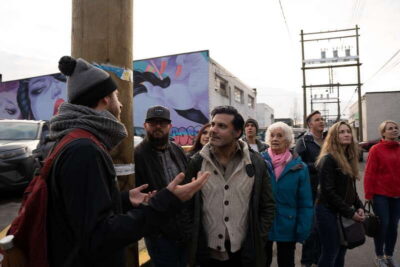
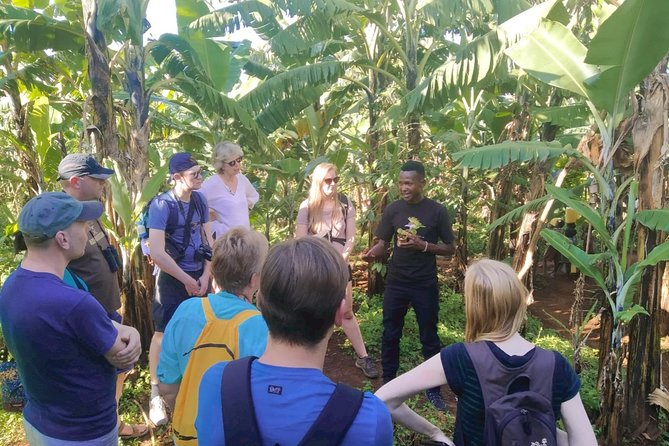
The community vibe is a big reason people feel good after the day. Guides are friendly, and the storytelling tends to be grounded in daily life: what people do, how coffee is grown and processed, and why the crop became so important.
In particular, guide William comes up in multiple accounts as professional and on time, and he’s known for friendly hosting. One host also links the experience to local adventure days, where William’s guiding style includes thoughtful conversation and even photo help.
If you’re the type who likes to learn without feeling lectured, this sort of village setting is ideal. You’ll likely spend more time talking with your guide than staring at a display.
Price and value: $15 for coffee (and what you bring yourself)
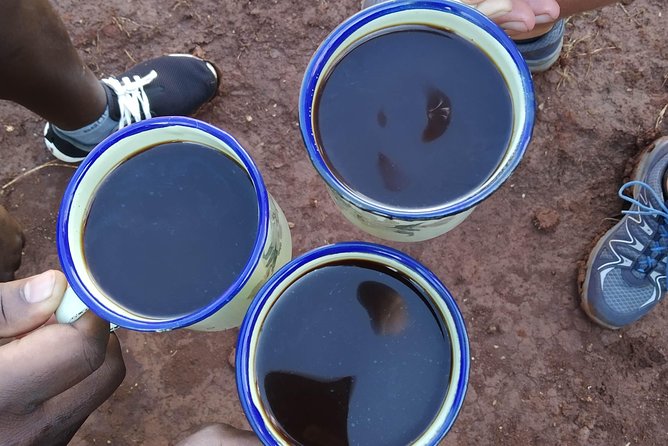
At $15 per person, the price is unusually approachable for a hands-on village workshop. The tour includes all fees and taxes, plus coffee and/or tea. That matters because you’re not paying extra on-site for the basics.
What you do need to plan for is transportation and lodging. Private transportation and accommodation are listed as not included. So if you’re coming from outside the area, you’ll want to handle getting to the Discover Sipi meeting point on your own.
Still, $15 feels like a strong value if your goal is to understand coffee through doing. You’re getting a full process experience—pounding, roasting, grinding—and tasting multiple possible styles. For many visitors, that’s a better “buy” than a quick sample flight because it teaches the mechanics behind the flavors.
Also remember: this is a private tour/activity. Only your group participates, which can make the per-person cost feel even better if you’re traveling with friends or family.
Practical tips to make your day smoother
Village coffee roasting is real fire and real tools. That means you should dress for comfort and movement, not for looking good in photos.
Wear something breathable and closed-toe shoes, especially if your day includes any walking. Bring a light layer in case the morning starts cool, and plan to protect your skin from sun.
You’ll also want to go in with curiosity. The coffee tour includes different styles—red honey, yellow honey, natural, and semi washed—so ask how the guide wants you to compare them. The more you pay attention during roasting and grinding, the more your tasting results will make sense.
If you’re sensitive to strong smells, know that roasting coffee over fire creates a noticeable aroma. It’s part of the experience, and for most people it’s the best part.
Finally, consider timing and weather. Since the activity requires good weather, check conditions ahead of time when possible. If rain disrupts the schedule, you’ll be offered a different date or a full refund.
Who should book this coffee tour?
This is a great fit if you’re one of these types of travelers:
- You love coffee and want to understand it through the actual steps of making
- You enjoy cultural context—how a cash crop shapes daily life in the region
- You prefer small, private experiences where you can ask questions without rushing
- You’re visiting Sipi and want something authentic beyond views and selfies
It’s also a smart choice if you’re traveling with a group and want a shared activity that feels hands-on. Coffee tastes better when you helped make it, and the options (honey, natural, semi washed) give everyone something to discuss afterward.
If you’re short on time, the ~2.5-hour duration is helpful. It gives you real value without stealing your whole day.
If you’re only looking for a quick drink with no interest in process, you might find it too hands-on. But if you like learning and participating, you’ll probably leave with a better coffee instinct than you had when you arrived.
Should you book Discover Sipi’s coffee tour?
I’d book it if you want an authentic Mount Elgon coffee experience with real village steps and genuine guide storytelling. The price is low enough to feel safe, and the included coffee/tea plus the hands-on roasting process makes it feel practical, not like a tourist trap.
You should think twice if your plans are extremely weather-sensitive, because the tour requires good weather. If rain is likely, decide how much flexibility you have.
Overall, this tour is one of those “small cost, big meaning” experiences. You’ll come away knowing what roasting and processing change in the cup, and you’ll have a more human connection to Uganda’s coffee crop than you’d get from a standard café stop.
FAQ
How much does the Uganda coffee tour cost?
It costs $15.00 per person.
How long is the experience?
The duration is about 1 day 2 hours 30 minutes (approximately).
What is included in the price?
All fees and taxes are included, along with coffee and/or tea.
What is not included?
Private transportation and accommodation are not included.
Where does the tour start and end?
It starts at Discover Sipi on the Mbale-Kapchorwa Road near Sipi Falls, and it ends back at the same meeting point.
Is the coffee tour private?
Yes. It’s a private tour/activity, and only your group will participate.
What coffee options can you make or taste?
The tour offers red honey coffee, yellow honey coffee, natural coffee, and semi washed coffee.
Is the tour dependent on weather?
Yes. The experience requires good weather. If it’s canceled due to poor weather, you’ll be offered a different date or a full refund.
What is the cancellation policy?
Free cancellation is available. You can cancel up to 24 hours in advance for a full refund; within 24 hours, the amount paid will not be refunded.