REVIEW · ARUSHA
Maasai village visit, Materuni waterfalls & coffee experience
Book on Viator →Operated by Africa Pathways Expeditions · Bookable on Viator
Three cultures in one long day near Kilimanjaro. I love the Maasai-run village visit with real craft and cattle time, and I also love the hands-on coffee experience where you make your own cup. The main thing to plan for is the slippery, muddy waterfall trail—you’ll want proper shoes and a rain layer.
If you’re based in Arusha or Moshi, this is the kind of day trip that feels like you’re actually getting off the paved road. And when guides like Pemba or Alfred keep things friendly and organized, the day moves at a good pace without feeling rushed.
In This Review
- Quick take: what you’ll remember most
- Why this day trip is a smart warm-up near Kilimanjaro
- Rundugai Maasai Village: tradition shown by the people who live it
- Chagga home in Moshi: lunch with banana wine and coffee culture
- Coffee plantation: making your own cup in a real process
- Materuni Waterfalls: what the walk really feels like
- How the timing adds up in a 12-hour day
- Price and value: what $154 buys you here
- Who should book this tour (and who should think twice)
- Should you book this Maasai, coffee, and Materuni Waterfalls experience?
- FAQ
- How long is the Maasai village, Materuni waterfalls & coffee experience?
- Is pickup offered from Arusha or Moshi?
- What is included in the price?
- What about food, fruits, and banana wine?
- Is the waterfall walk easy?
- Can you see Mount Kilimanjaro during the tour?
Quick take: what you’ll remember most
- Maasai-led cultural time at Rundugai, including dance, beadwork, and fire making
- Chagga home lunch with tropical fruits and banana wine
- Coffee barista instruction plus grinding and making your own coffee cup
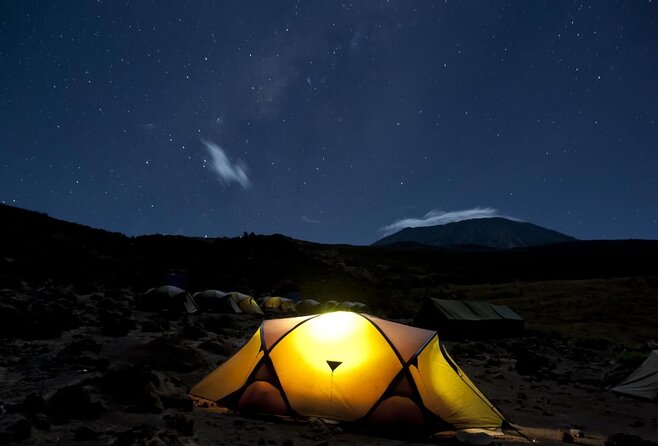
- Waterfalls with real height (over 80 meters) and a chance to spot Kilimanjaro’s peak
- Mud-and-rain reality on the walk—wear grip, bring a raincoat
- A private group day with roundtrip transport in an air-conditioned vehicle
Why this day trip is a smart warm-up near Kilimanjaro
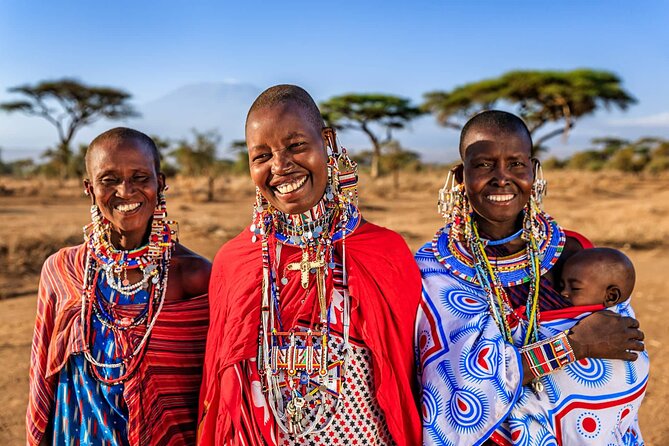
Even if you’re not trekking that day, this tour works well because it gives you the Kilimanjaro region in digestible chunks: village life, local food and drink, and then a nature payoff at Materuni Waterfalls.
I like that the day isn’t just drive, photo, drive again. You do real interactions—Maasai cultural demonstrations, time with Chagga hosts, and a practical coffee-making session. That’s the difference between a sightseeing day and a day that leaves you with stories you can repeat.
There’s also a practical angle. If you’re heading to Kilimanjaro soon, this is a low-stakes way to feel the area’s terrain, the walking pace, and the weather swings. The tour is not pitched as extreme hiking, but it does ask for moderate physical fitness and good footwear.
Rundugai Maasai Village: tradition shown by the people who live it
The day starts with a drive from your hotel in Arusha or Moshi (or from the airports, if you arrive the same day). You’re in a clean air-conditioned vehicle, and that matters because the morning sun can hit hard and travel days can be tiring.
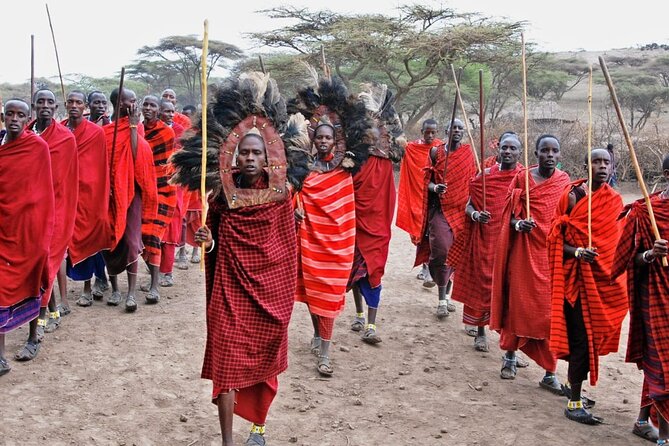
Then you reach Rundugai Cultural Tourism Enterprise for a Maasai village visit planned and arranged by the Maasai themselves. That detail isn’t just marketing—it changes the feel of the visit. You’re not watching something staged by outsiders. You’re seeing how the community explains its life, and how it adapts when development and modern contact reach the area.
Here’s what you can expect:
- Maasai singing and dance
- Different types of Maasai houses
- Beads and ornaments (including what they mean in daily life)
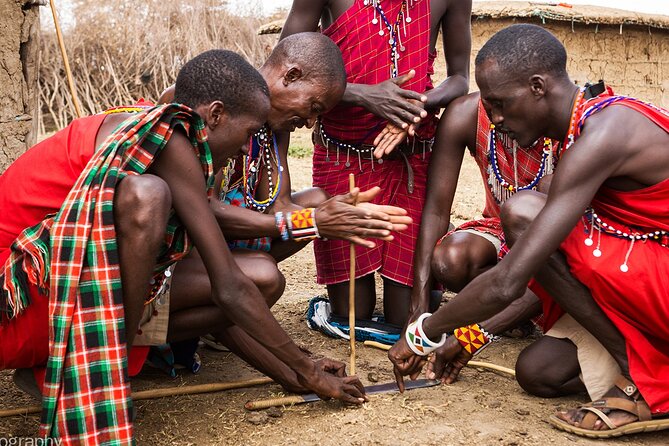
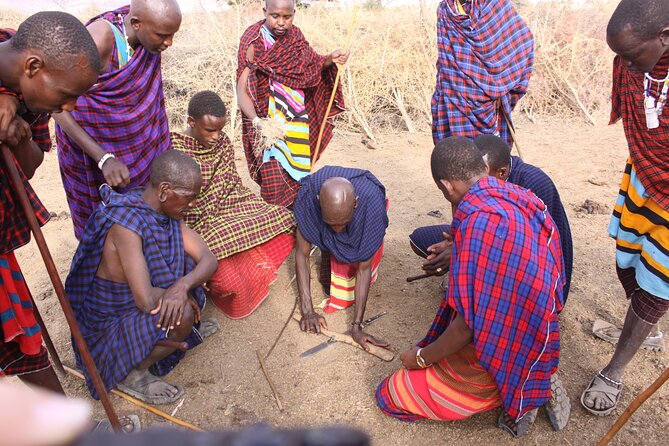
- Fire making
- Bush techniques and medicine knowledge
- Time walking with cattle on the plains
What I like most is the balance: tradition on one side, change on the other. You’re not forced into a museum-style version of culture. You get a real-world picture of what life looks like in a community adjusting to new influences.
Possible drawback: this stop is active—standing, moving between areas, and being on uneven ground. If you’re hoping for a purely seated, low-movement visit, you might find this portion more hands-on than you expected. Still, it’s usually worth it because it doesn’t feel like a quick checklist.
Chagga home in Moshi: lunch with banana wine and coffee culture
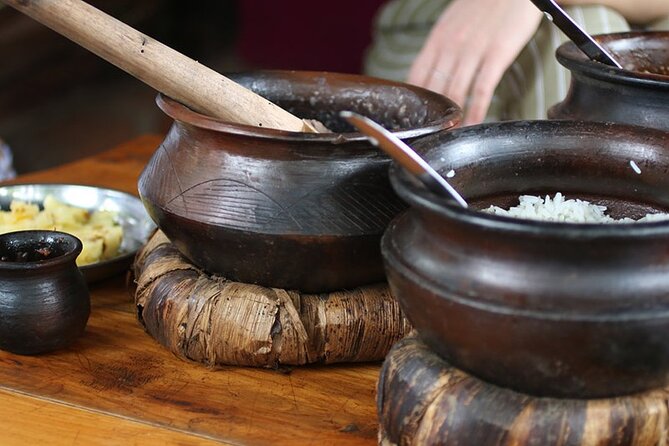
After the Maasai segment, the day shifts to Chagga territory. You head to a Chagga home for a hot traditional lunch plus tropical fruits. This is where the tour earns its “comfort food” credit: you’re eating something warm after a morning of walking and cultural activities.
The banana wine part is a key highlight. It’s not listed as optional, so you should expect it as part of the meal experience. If you’re cautious with alcohol, pace yourself—but don’t write it off. It’s part of how hosts share flavor and hospitality in the Kilimanjaro region.
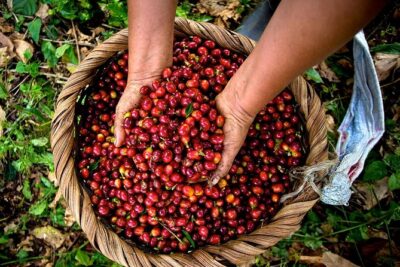
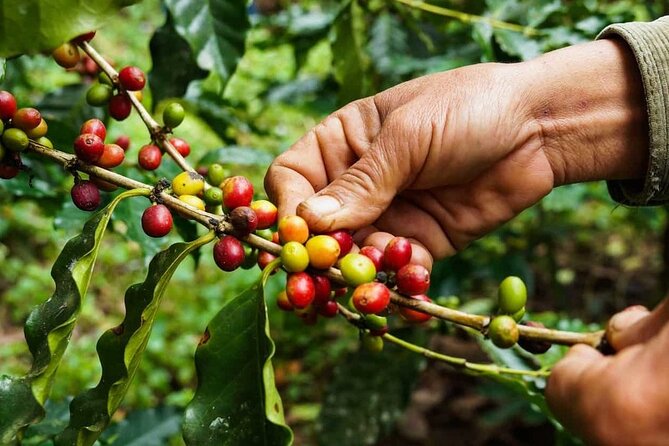
Then you move into coffee culture. You’ll get knowledge about the Tanzania coffee industry directly from a local barista. Coffee here isn’t treated like a product; it’s treated like a process and a tradition, complete with songs and dances during grinding.
From a “day flow” point of view, I like this section because it gives you a break from the back-and-forth of walking. You’re still moving through the day, but you’re resting your legs while your brain stays engaged.
Coffee plantation: making your own cup in a real process
This is the part many people remember most, and for good reason. You don’t just taste coffee—you learn how it’s made, you join the grinding, and then you produce your own cup using traditional ways.
The experience is hands-on, and that’s what makes it fun instead of passive. You’ll follow along through the key stages (grinding included), and the whole session is described as traditionally accompanied by Chagga songs and dances. In plain terms: it’s lively, and it doesn’t feel like you’re being rushed through a script.
Practical tips I’d give you:
- Keep your hands clean and be ready for some dust during grinding. Bring or use any wipes you like.
- Coffee tasting at the end is part of the experience, so don’t go heavy on strong drinks beforehand.
- If you have a coffee preference (light vs dark, strong vs mild), ask your guide what’s typical. The tour includes tasting and using the coffee you make, so conversation helps you get more out of it.
Guide names show up in people’s experiences with this kind of tour. Some days run by friendly, helpful guides like Pemba or Mpemba tend to feel easy—less awkward, more conversational. Others run by professionals like Alfred can feel structured. Either way, the activity itself stays the star: you’ll leave with a better sense of where coffee comes from and why the process matters.
Materuni Waterfalls: what the walk really feels like
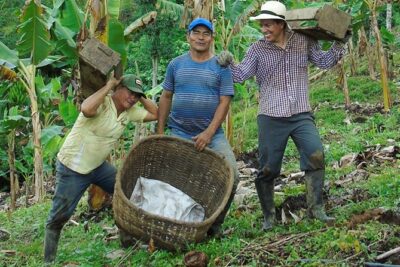
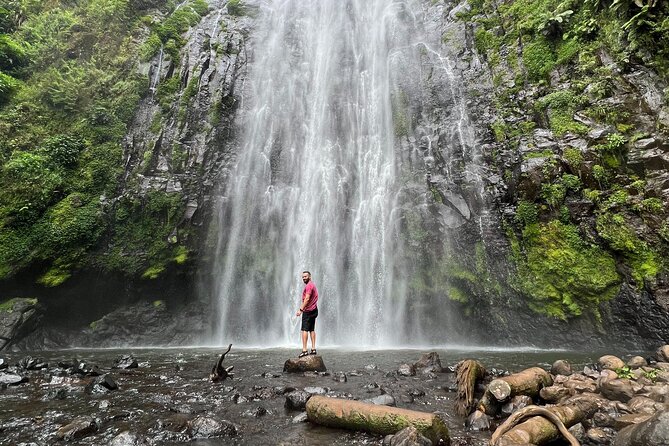
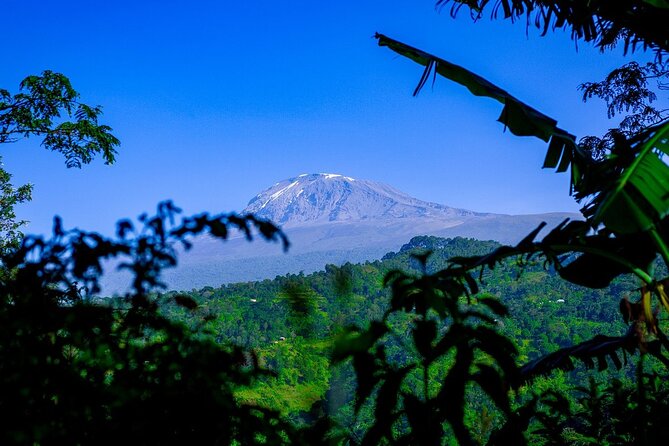
Now for the payoff—Materuni Waterfalls. The walk from Materuni village to the falls is about 45 minutes to 1 hour with a guide. On the way, you learn more about Chagga village life and the surrounding flora and fauna, and with luck you may catch sight of the Mount Kilimanjaro peak.
When you reach the falls, you’re looking at cascades more than 80 meters (262 feet) high. This is the moment where the day turns into a nature memory. Spend time there, take photos, and enjoy the sound and spray.
Here’s the honest part: the trail can be slippery and muddy. The tour guidance is clear about it, and I strongly recommend you take it seriously.
- Wear hiking shoes with grip
- Bring a raincoat (or at least a packable waterproof layer)
- Walk slower than you think you need to—mud has a way of turning “quick steps” into comedy
Also, plan for uneven ground. Even if you’re not doing a long technical hike, you’re doing enough movement that footing matters.
If you get bad weather, that can affect visibility and comfort. The experience is described as requiring good weather, and in poor conditions you’ll be offered a different date or a full refund. So don’t assume every day runs perfectly—this area can be moody.
How the timing adds up in a 12-hour day
This tour clocks in at about 12 hours. That long day is normal for Kilimanjaro-area cultural and nature combos because you’re covering multiple stops and doing actual activities at each one.
A useful way to think about the schedule:
- You start with a morning pickup and travel to the first village stop.
- You spend a dedicated block of time at the Maasai village (about 3 hours).
- You shift to the Chagga home for lunch and coffee activities (about 5 hours).
- Then you move into the hike and falls segment (about 4 hours).
Because of the walking involved—plus time on your feet during demonstrations—this isn’t a “sleep in, stroll, done” day. It’s a full, structured experience that uses the whole daylight window.
The good news: the transport is included and the vehicle is air-conditioned, so you’re not wasting time in uncomfortable commutes. And since it’s a private tour/activity, your group stays together instead of being mixed into a larger crowd.
Price and value: what $154 buys you here
At $154 per person, this is not a bargain-basement outing. But it does include a lot of the things that often cost extra on similar tours.
Included elements you should factor into value:
- Roundtrip private transport
- Tour guide
- Hot lunch (with tropical fruits) and banana wine
- Bottled water
- All fees and taxes
- Admission ticket included at the Maasai village stop and the Materuni waterfalls stop
- All activities tied to the day’s flow
- A contribution to the Maasai village
When I look at value, I ask one question: Are you paying mainly for driving, or for real activities? Here, you’re paying for three major components—culture, coffee, and a waterfall hike—plus the logistics to make it all work smoothly.
The main items not included are alcohol drinks beyond what’s included with lunch, plus personal expenses. So if you’re keeping spending controlled and you drink conservatively, you can usually hold the budget fairly steady.
One small note: this experience is often booked about 46 days in advance on average, which tells me it’s a popular way to experience the region without committing to a full multi-day trek.
Who should book this tour (and who should think twice)
This fits best if you want:
- A culture-heavy day that still includes nature
- Hands-on experiences (especially coffee) rather than only watching
- A guided hike that’s manageable with moderate physical fitness
- A day that pairs well with plans to trek Kilimanjaro later
You might think twice if:
- You hate muddy, slippery trails and don’t want to deal with footwear and rain
- You prefer very minimal walking
- You’re expecting to be on the actual Kilimanjaro mountain (this tour focuses on villages around the mountain area and Materuni Falls, with a chance of views, not summit-style terrain)
For most people, it’s a strong choice because it mixes learning with doing—and it gives you that Kilimanjaro-area feeling without requiring trek-level stamina.
Should you book this Maasai, coffee, and Materuni Waterfalls experience?
I’d book it if you want a full day that feels local and practical: Maasai cultural time, a Chagga lunch with banana wine, a coffee session where you make your own cup, and then Materuni Waterfalls with views that can include Kilimanjaro’s peak if conditions cooperate.
Be honest with yourself about the walk. Bring the right shoes, pack a raincoat, and accept that mud is part of the deal around the falls. If you handle that, this tour is one of the better ways to spend a day near Arusha or Moshi while still getting meaningful culture and a big natural payoff.
FAQ
How long is the Maasai village, Materuni waterfalls & coffee experience?
The experience runs for about 12 hours (approx.).
Is pickup offered from Arusha or Moshi?
Yes. You can be picked up from your hotel in Arusha, Moshi, or also from the Kilimanjaro/Arusha airports, using a clean air-conditioned vehicle.
What is included in the price?
Roundtrip private transport, a tour guide, bottled water, hot lunch, all fees and taxes, all activities, and a contribution to the Maasai village are included.
What about food, fruits, and banana wine?
Lunch is hot and traditional, and you’ll also get tropical fruits. Banana wine is included as part of the lunch experience.
Is the waterfall walk easy?
The trail can be slippery and muddy. You should have good hiking shoes with grip and bring a raincoat.
Can you see Mount Kilimanjaro during the tour?
The tour spends most of the time around Mount Kilimanjaro, and with luck you may see the peak of the mountain during the day.