REVIEW · UBUD
coconut wine and coffee safary tour
Book on Viator →Operated by ubud fun day trip · Bookable on Viator
Coffee and coconut in the rice fields.
This tour is a simple way to experience two of Bali’s biggest flavors—without wasting time—thanks to a private guide (I’ve seen guides like Oka, Wayan, and Keris praised for being fun and very knowledgeable) and hotel pickup/drop-off so you don’t hunt a meeting point. You’ll get guided tastings in green jungle and then a coconut-wine moment out in the working landscape.
The one thing to think about is the rice-field walk during the coconut wine stop. The ground can be soft and waterlogged, so you’ll want reasonable balance and closed-toe shoes, especially in the afternoon.
In This Review
- Key highlights worth planning around
- Why this coffee and coconut wine combo works in Ubud
- Timing and getting there: 3pm pickup, no meeting point stress
- Stop 1 at Uma Pakel Agro Tourism: hand-processed coffee and tea tasting
- Stop 2 at Bresela: tuak made in the rice fields
- What you’ll taste: coffee, tea, and coconut wine samples
- Guide power: learning the how behind the cup
- Footing, bugs, and comfort: how to pack for the rice-field walk
- Is $69 worth it? Value check for this 3.5-hour safari
- Best for: who should book, and who should think twice
- Should you book this coffee and coconut wine safari?
- FAQ
- What time does the tour start?
- How long is the coconut wine and coffee safari tour?
- Is hotel pickup included?
- Is this a private tour?
- Do I need a printed ticket?
- What happens at Uma Pakel Agro Tourism?
- What happens at Bresela?
- Are coffee and coconut wine tastings included?
- Is the tour dependent on weather?
- Can I cancel for free?
Key highlights worth planning around
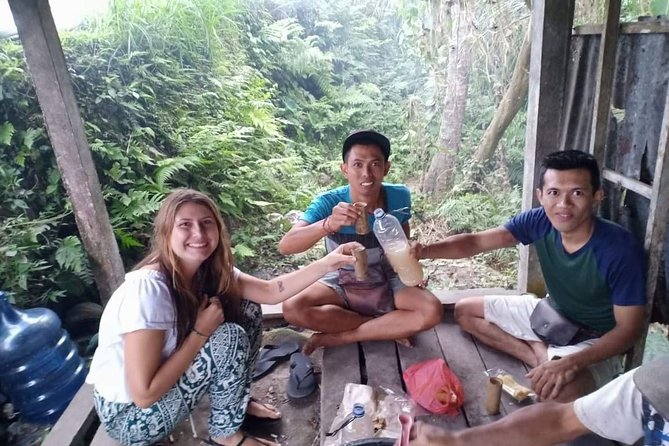
- Private guide focus: time for questions and practical local info while you taste.
- 3pm start, about 3.5 hours: a good fit when your Ubud schedule is tight.
- Uma Pakel Agro Tourism coffee tasting: see hand processing and sample coffees and teas with admission included.
- Bresela rice-field tuak experience: watch coconut wine production and meet it where it’s made.
- Short, real walking time: you may trek across uneven, damp rice-field paths.
- A $69 “taste-first” format: you’re paying mainly for access, guidance, and tastings—not a long day of transit.
Why this coffee and coconut wine combo works in Ubud
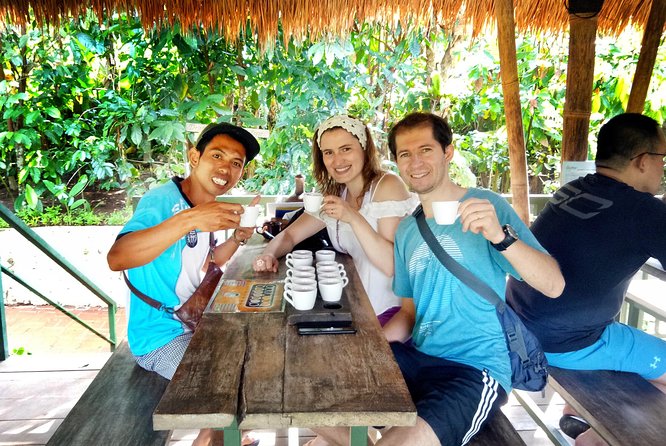
Ubud can be busy. This experience feels like a clean, focused hit of local food culture: coffee in the green and tuak (Balinese coconut wine) in the rice paddies. The pacing matters. You’re not stuck on a full-day itinerary. You’re guided to two tasting moments that actually connect to how the products are made, not just how they’re sold.
I also like that the tour is built for attention. It’s private, so your guide can slow down for questions and tailor the story to your curiosity. If you’re the type who wants to know how something goes from tree to cup—or what those local coffees taste like—this format makes it easier.
And yes, you’ll taste plenty. The point isn’t one tiny sip. It’s sampling multiple coffees/teas and then trying the coconut wine experience where it’s produced.
You can also read our reviews of more tours and experiences in Ubud.
Timing and getting there: 3pm pickup, no meeting point stress
The tour starts at 3:00 pm and runs about 3 hours 30 minutes. Afternoon timing is great for Ubud—less midday heat, and you often get softer light as you move from jungle paths to the rice terraces.
Hotel pickup and drop-off are offered, and the tour uses a mobile ticket, which makes the whole thing feel low-friction. Once you confirm your booking, you’ll get confirmation at the time of booking, and then you can show up when the car arrives.
Because it’s a private activity, it’s only your group. That matters for two reasons:
- You don’t have to match a slow-moving group pace.
- Your guide can focus on what your questions are instead of splitting attention.
Stop 1 at Uma Pakel Agro Tourism: hand-processed coffee and tea tasting
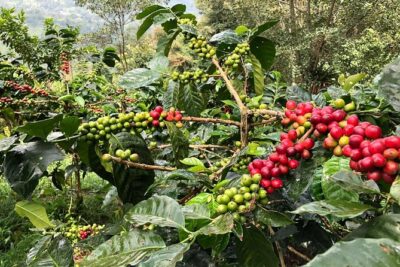
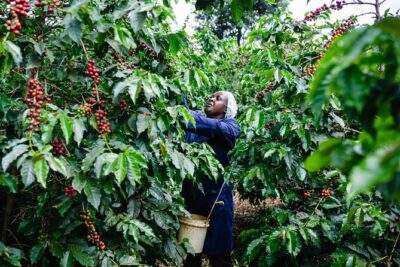
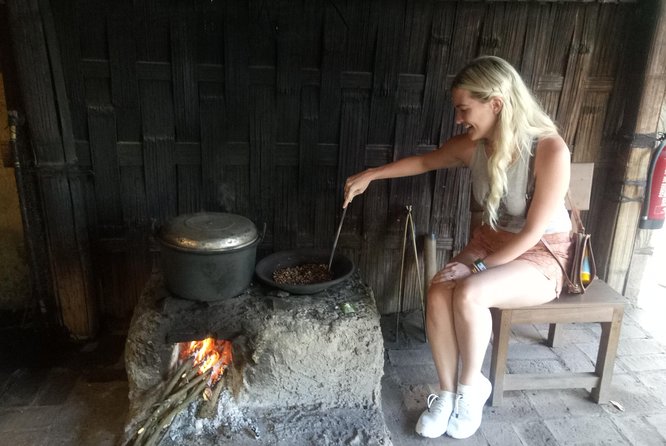
You spend about 2 hours at Uma Pakel Agro Tourism, and admission is included. This is where you’ll see the process behind that highly prized, very expensive coffee—done by hand in a traditional way—followed by time to taste.
What I find valuable here is the sequence. You’re not dropped into a tasting room first. You’re shown the work and the method, then you get the samples. That helps you taste with context. Coffee tasting gets easier when you know what to notice—processing, handling, and why flavors can shift.
Expect a setting surrounded by lush jungle, with guided tastings of coffees and teas. One of the nice parts of the tour is that you don’t just taste one thing and move on. There’s time to try multiple options, so you can figure out what you actually like before deciding if you want more.
A practical note: this first stop is usually the easier walking portion compared to the rice-field trek later. Still, bring comfy shoes. Paths can be uneven even when they look calm.
Stop 2 at Bresela: tuak made in the rice fields
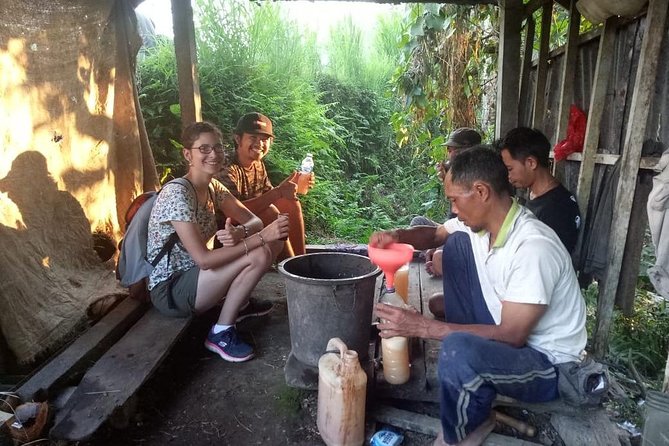
Then the tour shifts to the more dramatic part: Bresela, a local bar set in the middle of ricefields. You’ll spend about 1 hour here, with admission free.
This stop is about more than tasting. You’ll share the experience with the local community and farmers, and you’ll watch how Bali coconut wine is made. The production is explained by a local farmer who harvests the tuak from the top of a coconut tree—a detail that really adds weight to the whole story. It’s one thing to hear about coconut wine. It’s another to see the human process tied directly to the tree and the working farm.
The experience also includes walking into the rice terraces. One review called it a short hike before arriving out in the fields. Another pointed out the ground can be soft and waterlogged, so you’ll want to be ready for a little uneven footing. If your mobility is limited or you don’t like wet, squishy ground, this is the part to think through.
Also, come prepared for insects. A big spray was specifically mentioned as useful for the rice-field walk. If you forget, you’ll spend the walk thinking about bites instead of tuak.
What you’ll taste: coffee, tea, and coconut wine samples
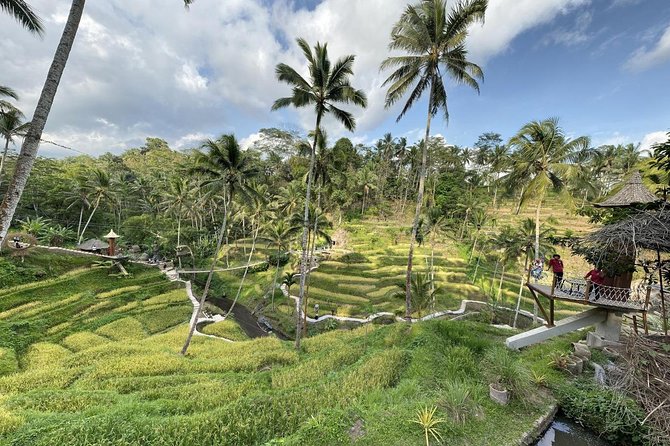
The coffee and tea tasting is built around multiple samples, not just one comparison cup. At Uma Pakel, you’ll try coffees and teas after seeing the processing. This makes it easier to understand what different varieties or preparations taste like, rather than guessing.
Then comes coconut wine. This isn’t just a casual sip at a café. The tour frames tuak as a local product with a real harvesting routine. That’s why the setting matters. When you taste coconut wine in the environment where it’s produced, it tends to feel more memorable—and the flavors are easier to accept when you know the steps behind them.
One more thing: the tour style is “taste-first.” You’re not paying mainly for a show. You’re paying for access to both production stories and actual samples.
Guide power: learning the how behind the cup
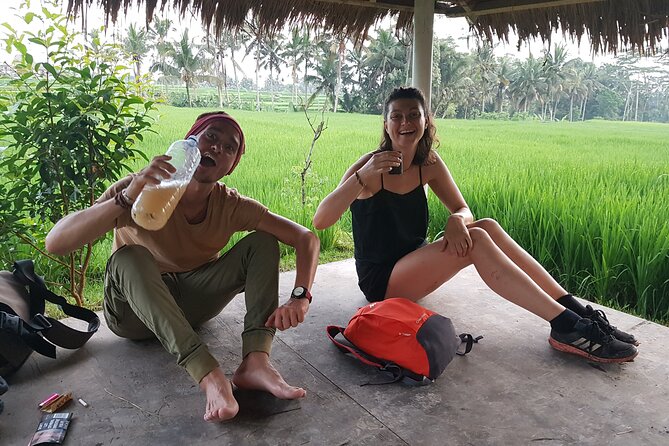
A private guide can make or break a food tour. Here, the guiding is a major selling point. People mention guides like Oka as professional, fun, and very knowledgeable about both the area and the culture. There’s also praise for Wayan being cheerful and great at explaining the experience in a real local way, plus helpful communication from Keris and his brother.
Even if you’re not a “coffee nerd,” a good guide helps you avoid common tasting mistakes. You’ll learn what’s going on during processing, how coconut wine is obtained, and what to focus on when you sample.
I also like the “insider tips” angle in practical terms. Your guide can tell you what part will be easiest to walk, when to slow down, and what to expect from the rice-field segment—so you don’t get surprised by mud or insects.
Footing, bugs, and comfort: how to pack for the rice-field walk

Wear shoes that can handle dirt and wet ground. The rice-field portion can include soft, waterlogged sections. If you prefer clean sandals, you’ll regret it here. Closed-toe shoes give you grip and protect you from the squishy surprises.
Bring insect repellent. Big spray was specifically called out for the rice-field walk, and that makes sense—wet paddies plus afternoon humidity can be a bug magnet.
Other helpful items (based on the practical nature of the walk):
- A small water bottle
- Light long sleeves if you burn easily
- A towel or extra tissue in your day bag (for the “somebody spilled something” moments)
Is $69 worth it? Value check for this 3.5-hour safari
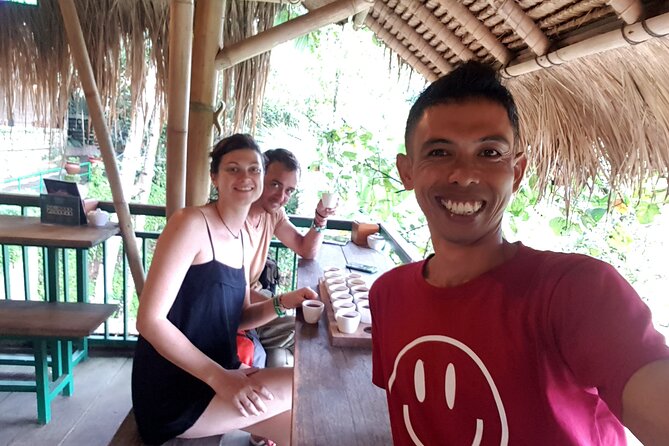
At $69 for about 3 hours 30 minutes, you’re paying for three things:
- Private guiding (instead of joining a mixed group)
- Transport with hotel pickup/drop-off (you don’t have to coordinate a meeting point)
- Entry and tasting time tied to two specific production locations
One admission is included at Uma Pakel Agro Tourism, and the other stop (Bresela) is admission free. But even if admissions feel “small” on paper, the value comes from time on-site with an informed guide and organized tasting.
If you’re traveling with limited time in Ubud, this is one of those formats that makes sense. You get the coffee process in one stop and the tuak story in another—then you’re done without spending half your day on logistics.
If you hate walking on uneven ground, it might not feel like a good value. The tour does include that rice-field trek, and you’ll want to be comfortable with it.
Best for: who should book, and who should think twice
This tour fits you if:
- You want a short afternoon experience (3:00 pm start)
- You like food culture that connects to real farming and processing
- You prefer a private guide so you can ask questions freely
- You’re curious about Bali’s coffee world and the tuak/coconut wine tradition
Consider another option if:
- You have trouble with soft, uneven, possibly waterlogged paths
- You’re very sensitive to insect bites and don’t want to manage repellent
- You dislike walking that includes rice-field terrain, even if it’s “only” a short trek
Should you book this coffee and coconut wine safari?
If you’re in Ubud and want one memorable, taste-focused afternoon, I think this is a smart booking. The private guide angle is strong, the pickup makes logistics painless, and the two-stop structure keeps it from feeling scattered.
The main reason to pause is the rice-field walking. If you’re steady on your feet and you pack insect repellent, you’ll likely enjoy it a lot more. If you’re not, plan carefully or choose a different coffee experience that stays on easier ground.
Also watch the weather. The tour requires good weather, and if it’s canceled due to poor weather, you’ll be offered a different date or a full refund.
FAQ
What time does the tour start?
The start time is 3:00 pm.
How long is the coconut wine and coffee safari tour?
It runs for about 3 hours 30 minutes.
Is hotel pickup included?
Yes, hotel pickup and drop-off are offered, so you don’t need to find a meeting point.
Is this a private tour?
Yes. It’s private, meaning only your group participates.
Do I need a printed ticket?
No. A mobile ticket is used.
What happens at Uma Pakel Agro Tourism?
You’ll see processing done by hand in a traditional way, focused on the highly prized coffee experience, then you’ll taste coffees and teas. Admission is included, and it’s about 2 hours.
What happens at Bresela?
You’ll visit a local bar in the rice fields and share the experience with the community and farmers. You’ll also see how Bali coconut wine (tuak) is made by a local farmer. This stop is about 1 hour and has free admission.
Are coffee and coconut wine tastings included?
Yes. The experience is designed around sampling coffee/tea and coconut wine during the stops.
Is the tour dependent on weather?
Yes. The experience requires good weather. If it’s canceled due to poor weather, you’ll be offered a different date or a full refund.
Can I cancel for free?
Yes. You can cancel for a full refund up to 24 hours before the experience starts. If you cancel less than 24 hours before, the amount paid won’t be refunded.