REVIEW · ZAGREB
Zagreb in Ink and Coffee: A Feminist Café Chronicle
Book on Viator →Operated by Tales & Spirits of Old Zagreb · Bookable on Viator
A story-walk beats a museum day. This 2 to 3 hour Lower Town stroll turns Zagreb into a living page, led by a costumed guide who brings Marija Jurić Zagorka to the streets. I especially like how it links real addresses to her work, so the city feels less like trivia and more like a map of ideas.
What I like even more is the mix of press history and café culture. You’ll pass places tied to Obzor and Ženski list, then connect the dots to the coffeehouses where progressive minds gathered. One thing to consider: it’s mostly outdoors and works best in good weather, so plan for a bit of walking on cobbled streets.
You get a small-group format with an English-speaking guide, plus a mobile ticket. The tour also ends where it makes sense to keep going on your own, around Ban Jelačić Square.
In This Review
- Key highlights worth knowing
- Why Zagreb in Ink and Coffee Works as a Feminist City Story
- Price and Timing: Is $65.53 Worth It?
- Lower Town Stops in Plain Order: From King Tomislav to Ban Jelačić
- Press, Publishing, and the Locations Behind Zagorka’s Career
- Café Culture in Zagreb: Coffee as a Meeting Place for Ideas
- House of Spirits Liqueur Tasting: Optional but a Nice Finish
- Practical Tips for a 2 to 3 Hour Walk in the Lower Town
- Should You Book Zagreb in Ink and Coffee?
- FAQ
- How long is the Zagreb in Ink and Coffee tour?
- What language is the tour offered in?
- Where does the tour start and end?
- Is the liqueur tasting included or optional?
- Do I need to pay admission at the stops?
- Is this tour private or shared with other groups?
- What happens if the weather is bad?
Key highlights worth knowing
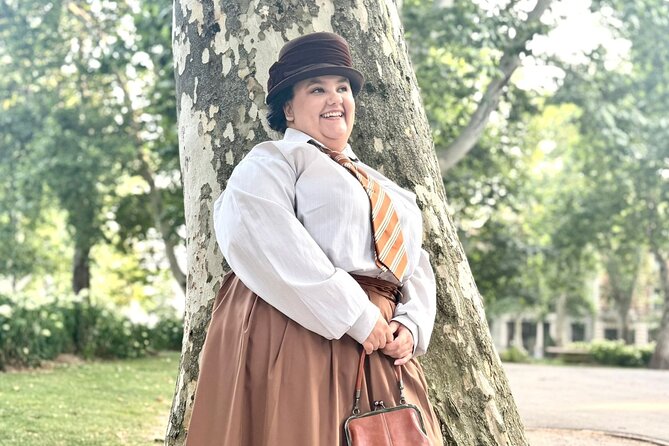
- Costumed storytelling led by Đurđica, portraying Zagorka with passion and charm
- Lower Town route anchored to Zagorka’s real workplaces, not generic “old town” stops
- No paid admissions for the outdoor stops, which keeps your budget tidy
- Coffeehouse lore with specific locations, from Kavana Zagreb area to Café Corso
- Optional finishing touch: guided liqueur tasting at House of Spirits, with reservation needed
- A small group that keeps the discussion personal, especially if you like asking questions
Why Zagreb in Ink and Coffee Works as a Feminist City Story
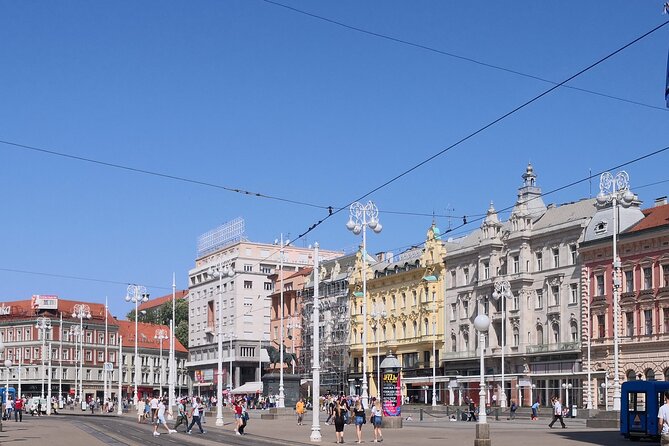
This tour is not trying to be a lecture. It’s built like a story that walks beside you, with Zagreb’s streets acting as the chapters. The big idea is simple: Zagorka didn’t write in a vacuum. She wrote in a city, for a society, from specific corners and offices.
I like that the tour stays grounded in everyday places—squares, sidewalks, and old café addresses—so you’re not trapped in dates and names. You’re moving through the same kind of public space where women’s voices, journalism, and debate could actually have an effect.
The guide’s performance matters here. In the best moments, Đurđica doesn’t just explain Zagorka’s role; she helps you feel how public life works—who had access, who didn’t, and how a pen could still push back. That tone is why this tour tends to land with people who want something more human than a standard walking tour.
You can also read our reviews of more tours and experiences in Zagreb.


Price and Timing: Is $65.53 Worth It?
At $65.53 per person for a 2 to 3 hour experience, you should think of this as paying for three things: a focused walking route, guided storytelling, and (optionally) a tasting finish.
First, the route is built around the Lower Town and stays tightly connected to Zagorka’s life: King Tomislav Square, Strossmayer Square, Zrinjevac, Masarykova ulica, Gundulićeva ulica, Varšavska ulica, Ilica, and then the ending at Ban Jelačić Square. Those stops aren’t random. They’re chosen to build a clear narrative arc.
Second, the “costumed guide” element can justify the ticket price on its own. You’re paying for a guide who turns the story into something you can remember while walking, not just reading from a sign.
Third, the tasting option adds value if you enjoy trying local flavors. The liqueur tasting at House of Spirits is a guided session, and you’ll need a reservation. If you skip that add-on, you still get a complete city story without extra admissions, since the outdoor stops list admission as free.
Lower Town Stops in Plain Order: From King Tomislav to Ban Jelačić
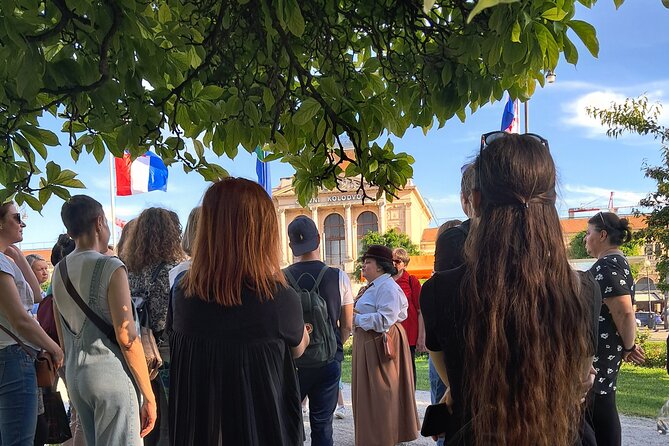
The tour starts at Trg Kralja Tomislava 1 in a square dominated by a statue of King Tomislav. It’s a good first minute because the space is big enough to help you orient fast. You’re also setting the theme: public monuments on one side, private ambition and writing on the other.
Next you head to Strossmayer Square, an easy pause with greenery and the cultural association of Bishop Josip Juraj Strossmayer. The point here isn’t to admire landscaping. It’s to place Zagreb’s creative circles in your mind, since the narrative keeps linking Zagorka to intellectual life around her.
Then comes the Zrinjevac area, outside the historic Kavana Zagreb near Zrinjevac Park. This is where the tour starts mixing architecture and atmosphere: even while you’re outdoors, you’re taught to picture the coffeehouse as a meeting ground for writers and revolution-minded people. It’s not about pretending the café still looks the same. It’s about understanding why cafés mattered.
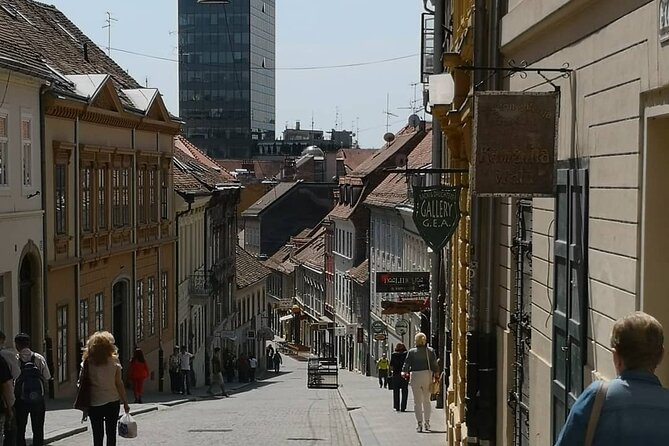
After that, you walk through Masarykova ulica. This street is framed as the Lower Town’s working rhythm—shops, theatres, and cafés—basically the everyday environment that fed Zagorka’s sharp portrayals of urban life.
You then reach Gundulićeva ulica, tied to the former editorial office of Obzor newspaper, where Zagorka worked as a journalist. This stop is a turning point: the story becomes about work, not just wandering. You’re standing where words were produced and sent into the public sphere.
Moving on to Varšavska ulica, the tour points to the headquarters of Ženski list, founded and edited by Zagorka from 1925 to 1938. This is one of the most direct “this is where it happened” moments on the route. It helps you understand the scale of what she tried to do: carve out a space for women’s issues in print when that wasn’t normal.
Then you reach Ilica, specifically the corner near Gundulićeva ulica, associated with Café Corso. The tour uses this area to discuss café culture as a place where ideas got tested in real conversation—where coffee was basically fuel.
Finally, you end at Ban Josip Jelačić Square near the former site of Velika Kavana, the Grand Café. The café no longer stands, so the mood shifts. It becomes a quiet wrap-up: storytelling, community, and the way ideas can outlast buildings.
Press, Publishing, and the Locations Behind Zagorka’s Career
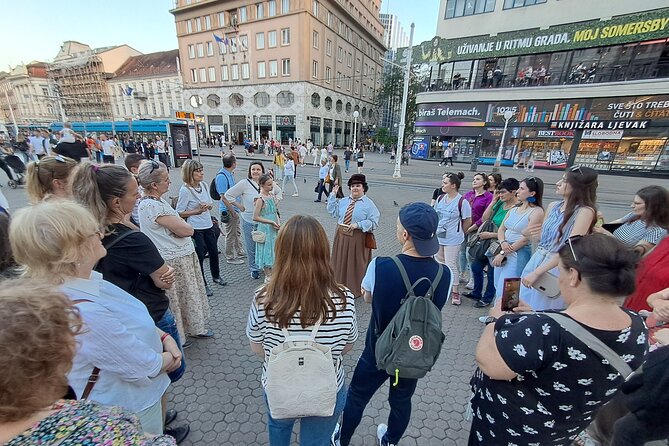
If you care about women’s history that’s tied to actual institutions, you’ll appreciate how this tour handles Zagorka’s journalism. The story isn’t floating in the abstract. It lands on named places and named publications.
Start with Obzor on Gundulićeva ulica. Obzor represents mainstream publishing power—newsrooms with influence. Zagorka working there matters because it shows she wasn’t only writing privately or as a side project. She was inside the machinery of the press.
Then Ženski list takes center stage at Varšavska ulica. The tour highlights that Zagorka founded and edited the magazine from 1925 to 1938, focusing on women’s issues, education, and rights. That time window is key. It tells you that her work wasn’t a one-season effort. It was sustained, edited, and organized while society was changing at a slower pace than her writing demanded.
This is also where the tour’s feminist lens becomes practical. It’s one thing to say women were underrepresented. It’s another thing to point to an actual editorial effort and say: here’s how a woman built a platform, used it, and kept it going long enough to matter.
Even if you don’t read every line of the cultural context, you’ll leave with a clearer sense of how public discourse works. Journalism isn’t just stories. It’s infrastructure.
Café Culture in Zagreb: Coffee as a Meeting Place for Ideas
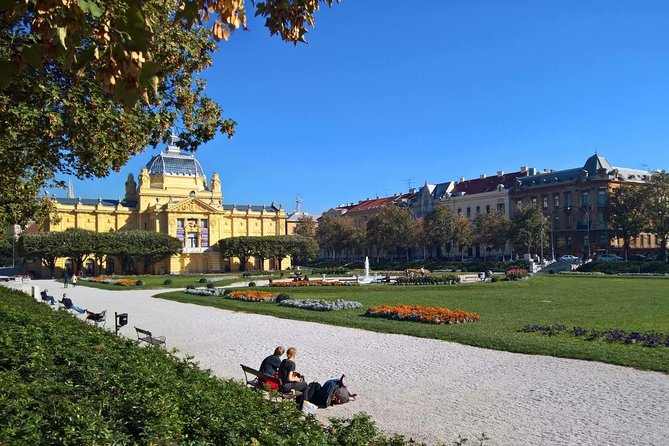
The café stops are not “optional flavor text.” They’re part of the argument. Zagreb’s café culture is presented as a social technology: a place where writers, thinkers, and reform-minded people could gather, talk, and stay connected.
At Zrinjevac, the tour frames Kavana Zagreb as a legacy site for literary and social life. You won’t be sitting inside for a “history lesson.” Instead, you’re guided to understand what kind of conversations likely happened there and why that matters for Zagorka’s circle.
At Café Corso on Ilica near Gundulićeva, you get a more specific vibe. Café Corso is described as an elegant institution and a rendezvous for progressive thinkers. The tour also points out that Zagorka was among its frequent guests, which helps you see her not only as a journalist, but as a participant in the day-to-day scene where ideas moved from page to person.
This is one of the reasons the tour works even if you’re not a total Zagorka superfan. It teaches you how to “read” social spaces: how cafés can act like informal salons, and how that can connect to larger social change.
House of Spirits Liqueur Tasting: Optional but a Nice Finish
The optional finale is a guided liqueur tasting at House of Spirits, a boutique distillery near the city center. It’s designed as a relaxed, sensory wrap-up after you’ve been walking and thinking.
The tasting is tied to Zagreb’s café tradition, in the sense that it keeps the experience social and grounded in local flavors. You’ll sample traditional Croatian liqueurs guided by someone who can talk you through the blends, described as herbal and fruit-infused varieties.
Two practical notes. First, the reservation is required, so don’t assume you can just show up at the end of the tour. Second, it’s an extra step in your schedule even though it’s listed as a short add-on (about 20 minutes). If you’re on a tight day plan, keep that in mind.
Still, if you like finishing tours with something edible or drinkable, this is a straightforward way to make the story linger in your senses.
Practical Tips for a 2 to 3 Hour Walk in the Lower Town
The tour is designed for most people and runs in English, so language is not a hurdle. It also uses a mobile ticket, which is handy once you arrive.
Because the route is in the Lower Town and the stops are tied to real addresses and squares, you should wear shoes you trust. You’re walking between points like King Tomislav Square and Ban Jelačić Square, plus the Lower Town streets in between, which can mean uneven pavement.
It’s also good to bring a weather plan. The experience requires good weather, and if it’s canceled due to poor conditions, you’ll be offered another date or a full refund. That’s a solid safety net, but it still means you should avoid booking the tour when you have zero flexibility.
Finally, this is typically booked about 15 days in advance on average. If you travel in peak season or on a busy weekend, plan ahead so you’re not stuck with the least convenient time slot.
Should You Book Zagreb in Ink and Coffee?
I’d book it if you want Zagreb with a point of view. This tour is for you if you like history that’s tied to specific places, and if you enjoy the rhythm of a guided story while walking. It’s also a great choice when you want feminist history that isn’t only about the past in general, but about the actual work of writing, editing, and publishing in real public spaces.
I wouldn’t book it as your only activity if you dislike walking or you’re expecting mostly inside-the-building stops. It’s outdoor, street-based, and weather-sensitive.
Best match: independent travelers, book lovers, and anyone who likes learning through neighborhoods rather than through museum galleries.
FAQ
How long is the Zagreb in Ink and Coffee tour?
It runs about 2 to 3 hours.
What language is the tour offered in?
The tour is offered in English.
Where does the tour start and end?
It starts at Trg Kralja Tomislava 1, Zagreb, and ends at Ban Josip Jelacic Square (Trg bana Josipa Jelačića).
Is the liqueur tasting included or optional?
The liqueur tasting is an optional finale. It’s a guided tasting at House of Spirits and reservation is required.
Do I need to pay admission at the stops?
The stops listed on the route show admission tickets as free, since the experience is mainly outdoor storytelling.
Is this tour private or shared with other groups?
This is a private tour/activity, so only your group participates.
What happens if the weather is bad?
The experience requires good weather. If it’s canceled due to poor weather, you’ll be offered a different date or a full refund.