REVIEW · DA NANG
Vietnamese cooking class and coffee making with local girl
Book on GetYourGuide →Operated by Rosie's home · Bookable on GetYourGuide
Da Nang cooking feels like home. I like the hands-on guidance through iconic dishes like bánh xèo and spring rolls, and I also love that you learn Vietnamese coffee the traditional way. One thing to consider: the class menu is built around options, so you’ll cook one main noodle/pancake choice and one spring-roll style, not every dish listed.
This is held in Rosie’s home in Da Nang, in a small group capped at 6. That matters, because the kitchen feels calm enough for real questions and step-by-step help, not a rushed conveyor belt.
You’ll be working with fresh local ingredients and then eating what you made together. If you have dietary needs, there are options (including vegan/vegetarian), and Rosie has adapted recipes for gluten free in at least some cases, but it’s still smart to message your restrictions ahead of time.
In This Review
- Key things that make this class worth your time
- Where Vietnamese Cooking in Da Nang Feels Personal, Not Performative
- Your Main Dish Choice: Pho vs Bánh Xèo vs Quang Noodles
- Fried or Fresh Spring Rolls: The Skill You’ll Use Again
- Vietnamese Coffee 101: Traditional Style, Not Just a Drink
- The Best Part: Eating in the Cozy Kitchen You Worked In
- Value Check: Is $40 Worth It in Da Nang?
- Who This Cooking Class Fits Best
- Dietary Options and Recipe Adjustments (What You Should Tell Them)
- Booking Tip: Pick Your Dish Options Based on Your Taste Goals
- Should You Book This Vietnamese Cooking Class in Da Nang?
- FAQ
- What dishes will I learn to cook?
- How long is the cooking class?
- Is the class taught in English?
- Is the group size small?
- What drinks are included?
- Do you offer vegan or vegetarian options?
- Can the host accommodate food restrictions or allergies?
- What are the cancellation and payment options?
Key things that make this class worth your time
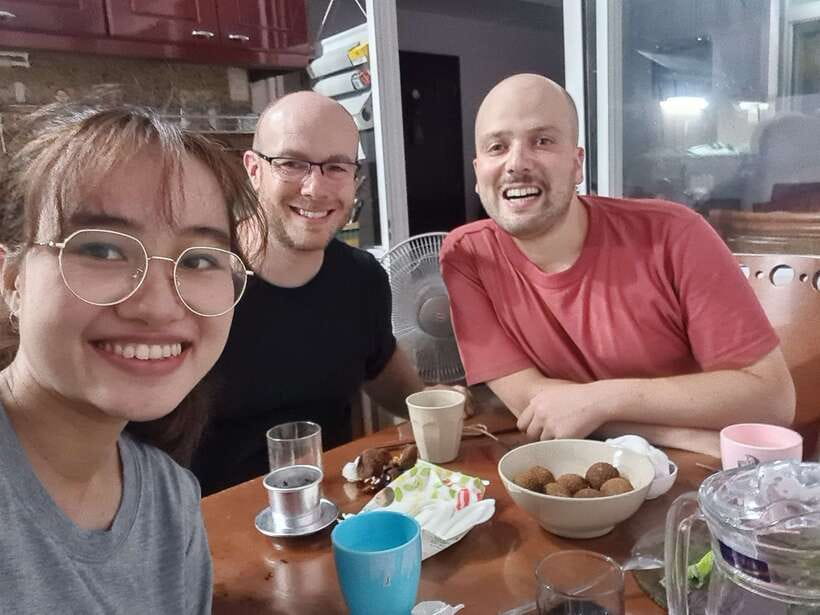
- Learn two iconic Vietnamese dishes with clear, guided steps
- Fresh local ingredients used while you cook (not just shown to you)
- Traditional Vietnamese coffee plus flexible drink options like passion fruit juice
- Small group of up to 6 in a home kitchen, so you can ask questions
- Dietary flexibility with vegan/vegetarian options and help with restrictions
Where Vietnamese Cooking in Da Nang Feels Personal, Not Performative
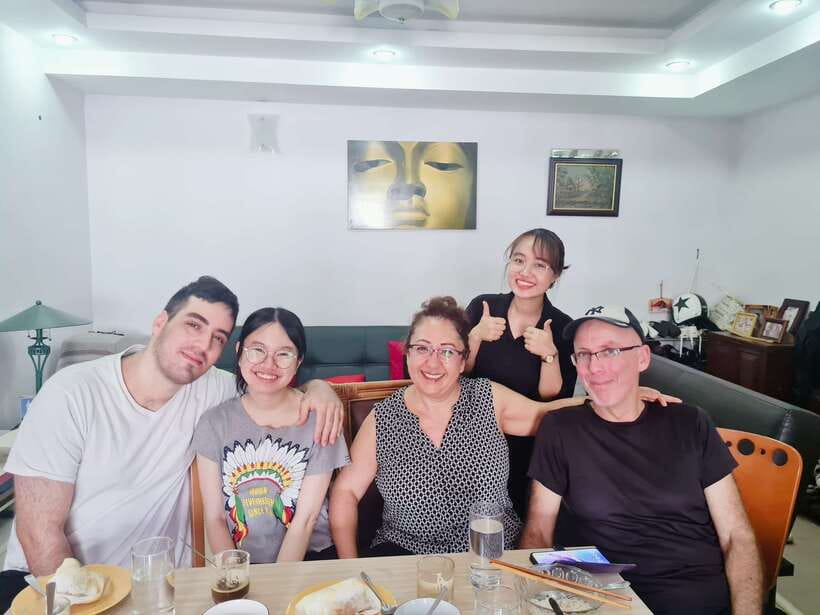
If you’re craving something more human than a big cooking show, this setup hits the mark. You’re in Rosie’s home, and it’s run as a small-group class limited to 6 people. In practice, that means the “how do I do this?” moments don’t get lost. You’re cooking side-by-side, not just watching someone else cook.
The atmosphere also plays a part. Feedback points to a warm, quiet kitchen setting where the host is sociable and helpful. That’s a big deal in a cooking class because confidence matters. When someone gives clear instructions and checks that you’re following along, you waste less time messing up and more time learning.
Language is also friendly for most visitors: the host or greeter works in English. So if you’re the type who wants to understand what each step is doing (instead of just copying movements), you’ll likely appreciate how the instructions are explained.
Your Main Dish Choice: Pho vs Bánh Xèo vs Quang Noodles
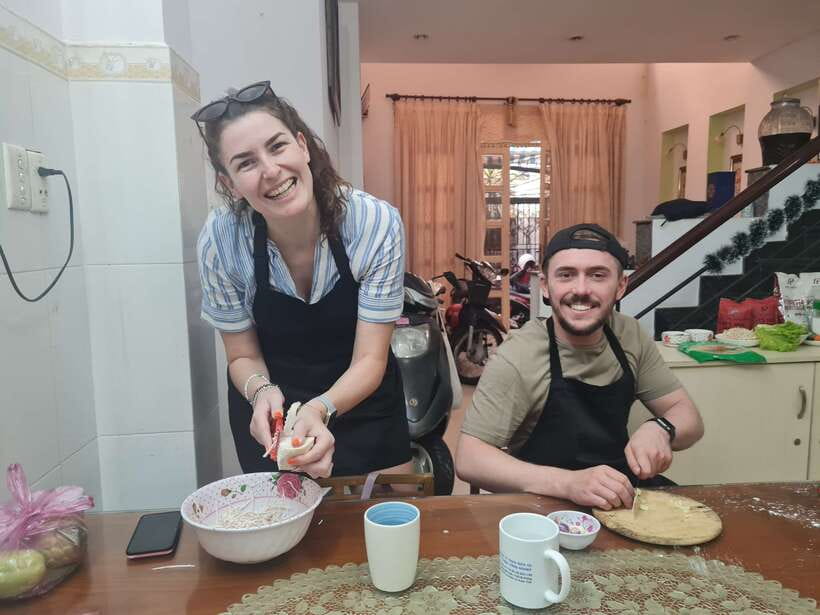
The menu is built around learning two dishes total, and your first dish comes from this lineup: Phở (beef noodles) / Bánh xèo (Vietnamese pancake) / Quang noodles.
Here’s how that can shape your experience:
- If you choose Phở, you’re signing up for the classic comfort of Vietnamese beef noodle soup. It’s a dish where the flavors and assembly matter, and it’s a great entry point if you love familiar aromas.
- If you choose Bánh xèo, you’ll get that crispy, pan-cooked pancake vibe people talk about for a reason. It’s also tactile food: you’ll be focused on cooking technique and timing.
- If you choose Quang noodles, you’ll be working with a noodle dish that’s distinct in Vietnam. Even if you’ve never had it before, you’ll leave with a recipe you can actually reproduce at home.
The practical takeaway: don’t treat this as “I’ll learn everything.” It’s more like “I’ll learn one signature dish deeply and learn it well.” That’s often better than a rushed tour of three things where you remember none of the steps.
Fried or Fresh Spring Rolls: The Skill You’ll Use Again
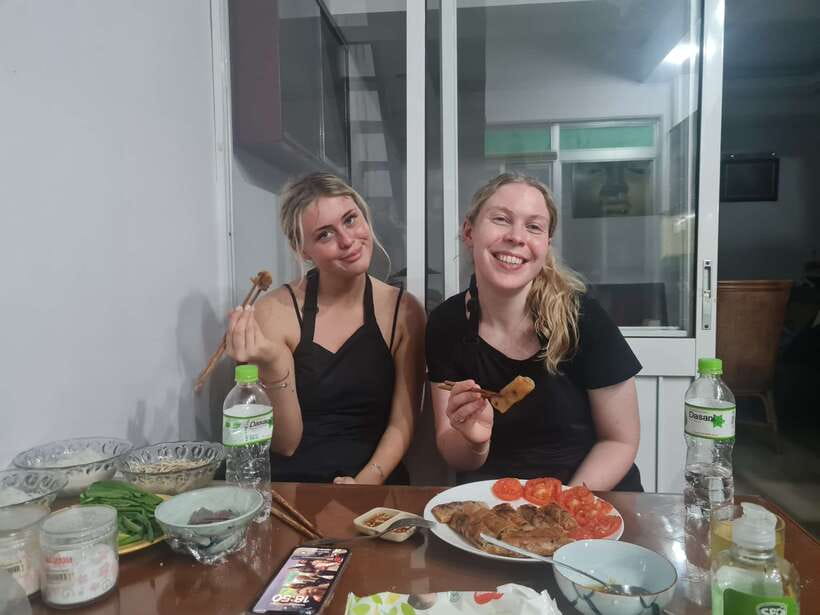
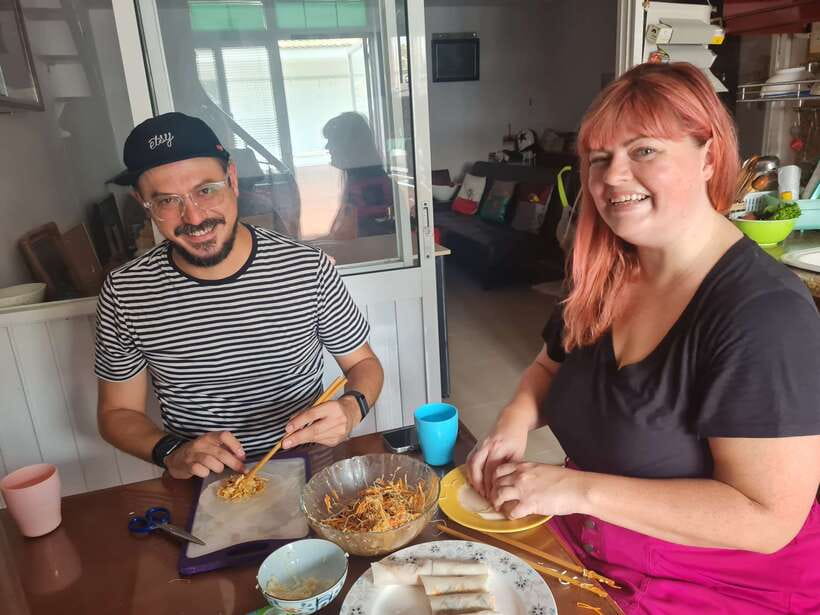
Your second core dish is spring rolls, with a clear choice: Fried spring rolls / Fresh spring rolls.
This is where the class can feel especially useful. Spring rolls are the kind of food you can repeat at home, and both versions teach different skills:
- Fried spring rolls focus on making something crisp through cooking. You’ll pay attention to handling and the cooking process, because texture is the whole point.
- Fresh spring rolls are more about assembly and balance. The fun part is that you can often customize them later, based on what you like to eat.
Either way, you’re not just tasting. You’re actively making. That turns this from a foodie activity into a real cooking workshop.
And because you sit down together afterward, you get an immediate payoff: you eat the results while the instructions are still fresh in your mind. That helps recipes stick.
Vietnamese Coffee 101: Traditional Style, Not Just a Drink
After the cooking, you’ll also learn Vietnamese-style coffee making. The experience includes Vietnamese coffee, and it also offers passion fruit juice if you prefer something non-coffee (or if you want another drink, you can request one and the host will adjust if possible).
A quick reality check: Vietnamese coffee is famous for being stronger and sweeter than a lot of what you’ll find elsewhere. So expect a style that’s less like a latte and more like a punchy, dessert-leaning coffee experience.
What I like about including coffee here is that it connects food and culture. Vietnam doesn’t treat coffee as an afterthought, and learning the method means you can recreate the ritual, not just the flavor.
If you’re worried about getting stuck with coffee, don’t be. You can request passion fruit juice, and the class is designed to be flexible about drinks.
The Best Part: Eating in the Cozy Kitchen You Worked In
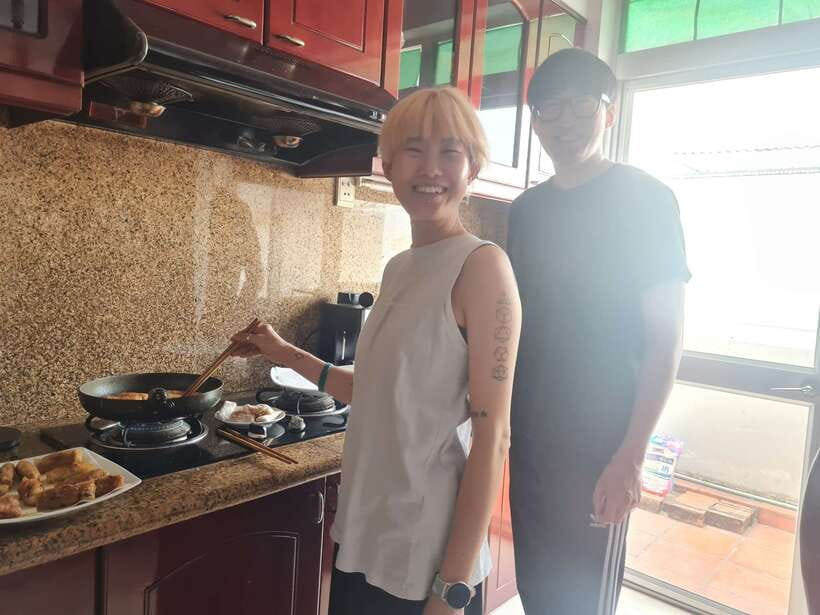
Cooking classes sometimes end with a paper plate moment. This one ends with a shared meal. Once you finish preparing your food, you’ll sit down in the cozy kitchen and eat together.
This matters more than it sounds. When you cook and then eat in the same setting, you understand what you did right or wrong. It’s also when you can ask follow-ups without feeling like you’re interrupting during the busiest part of the class.
From the way Rosie’s classes are described, the vibe is comfortable: clear instructions, a sociable host, and a friendly space where you can ask questions. If you travel solo, that social comfort is especially valuable. If you travel as a couple, it’s an easy shared activity that doesn’t require you to be “good at cooking” to enjoy it.
Value Check: Is $40 Worth It in Da Nang?
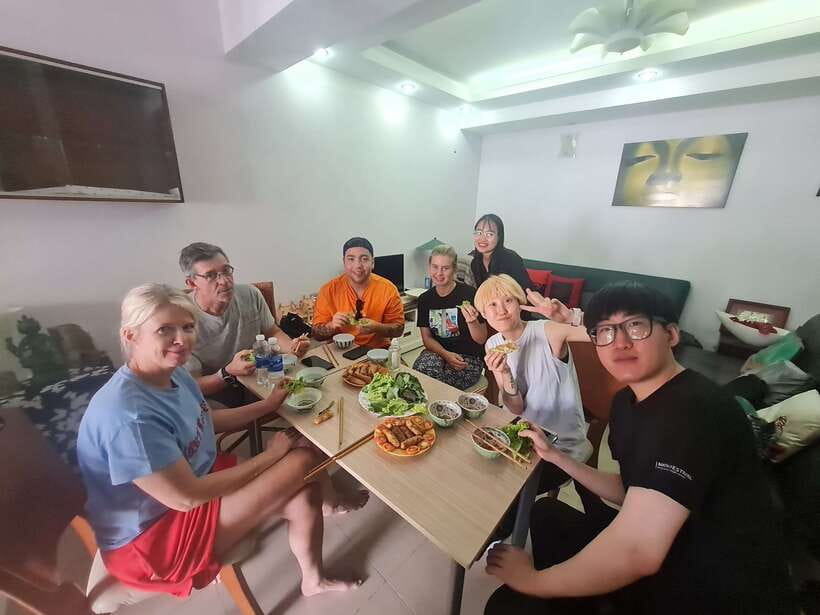
At $40 per person for around 2.5 hours, you’re paying for several things at once:
- guided cooking (not just a one-time tasting)
- fresh local ingredients used during the class
- hands-on instruction in two dishes
- a drink included with the meal (Vietnamese coffee, passion fruit juice, or another requested option)
- a small-group limit, so you get attention in the kitchen
So the value isn’t just the recipe list. It’s the time with a host in a real kitchen, with step-by-step guidance and a meal you helped create. That’s where $40 can feel more reasonable than a lot of “activity plus snack” tours.
One consideration: the class is only 2.5 hours, which means you won’t cover everything in Vietnamese cuisine. You’re there for a focused set of skills: one main dish from the noodle/pancake options, plus a spring-roll version, plus coffee-making. If your goal is maximum variety, you may need a second food experience later. If your goal is learning and leaving with repeatable skills, this fits well.
Who This Cooking Class Fits Best
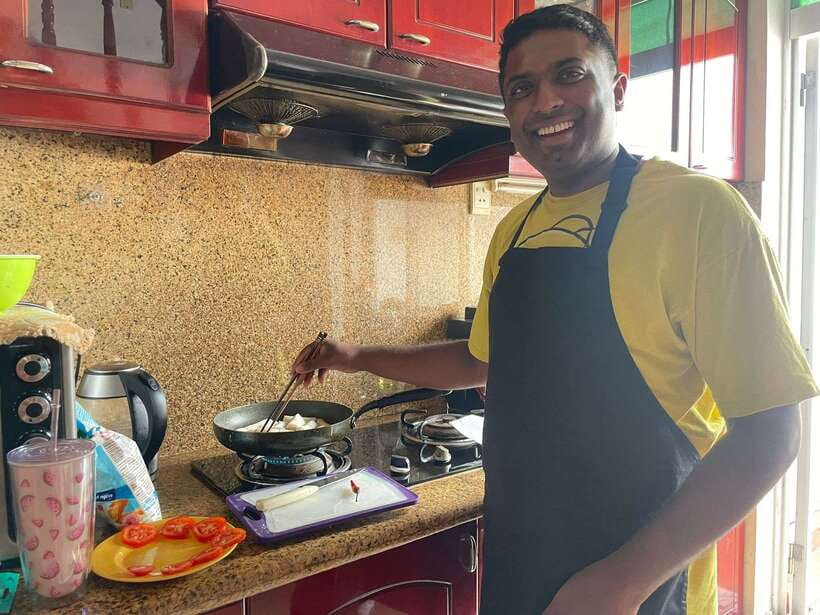
This works well for almost any skill level. The class is set up for all skill levels welcome, which is a good sign if you’re a nervous beginner. Because it’s small, you can slow down when needed and ask questions when you get stuck.
I’d especially recommend it if:
- you want an authentic Vietnamese meal without guessing at ingredients back in your hotel kitchen
- you enjoy home-style learning with a real person (Rosie’s kitchen setting is the point)
- you like structured cooking experiences where you don’t have to translate everything yourself
- coffee is part of your Vietnam interest, not just an optional add-on
If you’re traveling with kids, this might work only if they handle cooking heat and attention spans well—nothing about the class setup suggests it’s kid-free, but you’d want to consider the hands-on nature.
Dietary Options and Recipe Adjustments (What You Should Tell Them)
The class explicitly notes that a vegan/vegetarian option is available. It also asks you to tell the host if you have any food restriction or allergy. That’s exactly what you want to hear in a cooking class: clear instructions on how to communicate needs.
There’s also a strong signal from the experience feedback: Rosie has made recipes gluten free for at least one guest. That suggests she’s willing and able to adapt, not just follow a fixed script.
Still, be proactive. Send your dietary details before you show up so she has time to plan. If you’re booking under a specific main dish choice (pho vs bánh xèo vs Quang noodles), note that too, because adjustments can affect how certain steps are handled.
Booking Tip: Pick Your Dish Options Based on Your Taste Goals
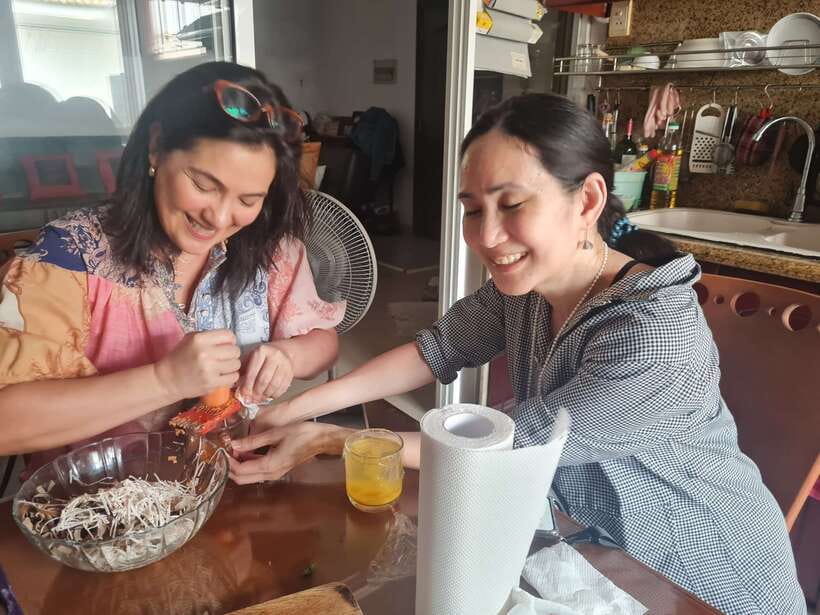
Because you’re choosing among options for the two main categories, you can steer the class toward what you actually want to eat later.
If you love cozy comfort foods: lean toward Phở.
If you want crispy, pan-cooked excitement: lean toward Bánh xèo.
If you’re curious about regional Vietnam flavors: consider Quang noodles.
For texture contrast: do fried spring rolls if you want crunch, fresh spring rolls if you like bright, lighter bites.
When you book, think of it like this: you’re not sampling. You’re learning the version you’ll remember and remake.
Should You Book This Vietnamese Cooking Class in Da Nang?
Yes, if you want a real cooking session in a home kitchen, with guidance that helps you actually learn. The combination of two hands-on Vietnamese dishes plus Vietnamese coffee-making is a smart mix: food skills and a culture ritual, both in one tidy 2.5-hour block.
Book it if:
- you like small-group experiences (up to 6)
- you want English instruction and question-friendly pacing
- you care about getting recipes you can repeat
- you’re open to choosing one main noodle/pancake and one spring-roll style
Skip it if:
- you’re hoping for a full buffet of Vietnamese specialties in one sitting
- you want strict meal variety over depth of technique
If you’re on the fence, my advice is simple: choose the dish option you’re most excited to eat, then commit to learning the steps. This class is built for that kind of focused, satisfying payoff.
FAQ
What dishes will I learn to cook?
You’ll learn two iconic Vietnamese dishes: one from Phở (beef noodles) / Bánh xèo (Vietnamese pancake) / Quang noodles, and one from fried spring rolls / fresh spring rolls.
How long is the cooking class?
The duration is 2.5 hours.
Is the class taught in English?
Yes, the host or greeter speaks English.
Is the group size small?
Yes. It’s limited to 6 participants.
What drinks are included?
Vietnamese coffee is included, or you can choose passion fruit juice. If you want another drink, you can request it and the host will adjust if possible.
Do you offer vegan or vegetarian options?
Yes, vegan/vegetarian options are available.
Can the host accommodate food restrictions or allergies?
Yes, the experience asks you to let them know about any food restriction or allergy.
What are the cancellation and payment options?
You can cancel up to 24 hours in advance for a full refund. You can also reserve now and pay later.