REVIEW · ISTANBUL
Turkish Coffee and Traditional Turkish Dessert Cooking
Book on GetYourGuide →Operated by Lokal Bond · Bookable on GetYourGuide
Sweet Istanbul starts at a home table. In this small-group class in Kâğıthane, I love making künefe and learning the slow ritual of Turkish coffee brewed the traditional way. One thing to think about first: künefe includes dairy and gluten, so if you have allergies you’ll want to flag it in advance.
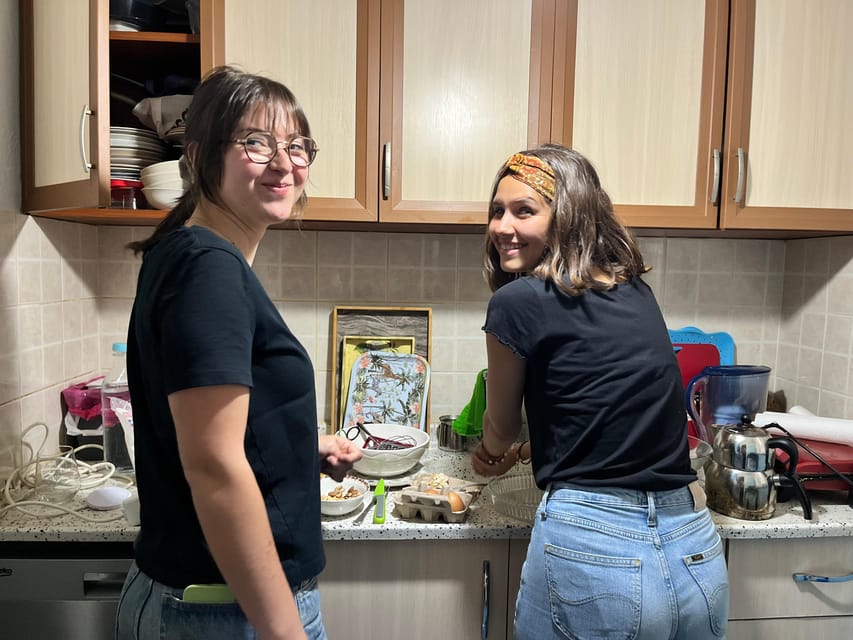
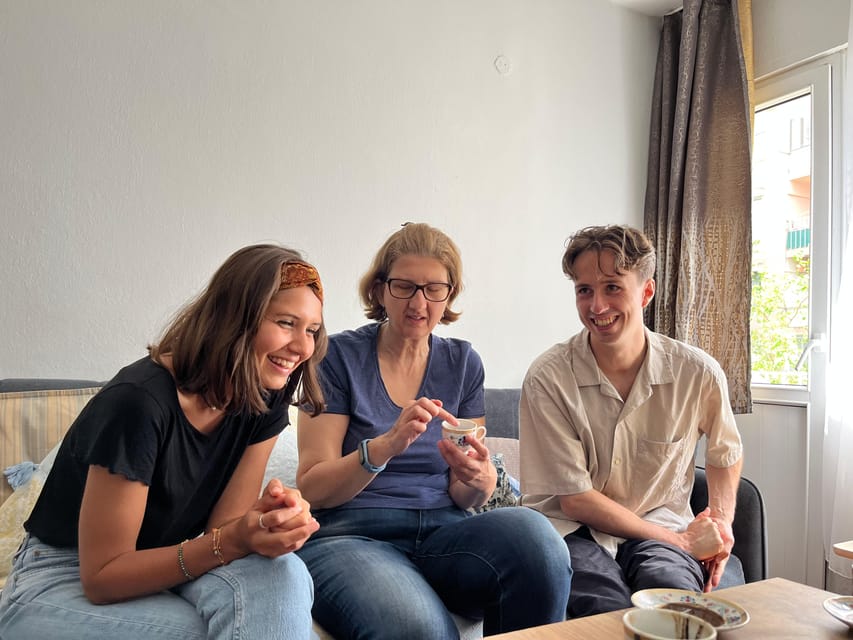
Nuran greets you in her welcoming home, and the lesson feels like hanging out with a Turkish family more than performing a tourist activity. In many sessions, you’ll also meet Feyza, who helps teach and (if the mood hits) may even do an impromptu coffee-grounds reading.
The class is hands-on, conversational, and geared to small groups (up to 6), so it’s less about watching and more about doing. It runs for 2.5 hours, with tea/coffee included and enough time to cook, learn, and actually sit down and enjoy.
In This Review
- Key Things I’d Prioritize Before You Go
- Sweet Coffee and Künefe at a Real Istanbul Home
- Finding the Class in Talatpaşa, Kâğıthane
- Künefe Cooking Workshop: Layering, Flame Cooking, and the Flip
- Turkish Coffee by the Stove: Slow Brew, Froth, and Meaning
- The Dessert Table Moment: Warm Conversation and Easy Togetherness
- What You Learn (and What You Can Recreate at Home)
- Price and Value of a 2.5-Hour Hands-On Dessert Session
- Allergy and Comfort Notes Before You Book
- Who Should Take This Turkish Coffee and Dessert Class
- Should You Book This Turkish Coffee and Dessert Cooking Experience?
- FAQ
- How long is the Turkish Coffee and Traditional Turkish Dessert Cooking experience?
- What does the price include?
- How many people are in the group?
- Will I learn to make künefe?
- What other desserts might be cooked besides künefe?
- Does the class involve Turkish coffee?
- What languages are spoken during the class?
- Where is the meeting point?
- What should I know about allergies?
- What’s the cancellation policy?
Key Things I’d Prioritize Before You Go
- Hands-on künefe technique: You’ll learn layering, flame cooking, and how to get that golden flip right.
- Coffee as a culture lesson: You’ll brew Turkish coffee the old-fashioned way and get context for why it matters.
- You cook 2–3 desserts total: The focus is on Turkish sweets, not a single demo dish.
- Small group, home setting: Limited to 6, so questions and pacing stay human.
- Real conversation at the table: Food shows up with warm discussion, not stiff formality.
Sweet Coffee and Künefe at a Real Istanbul Home
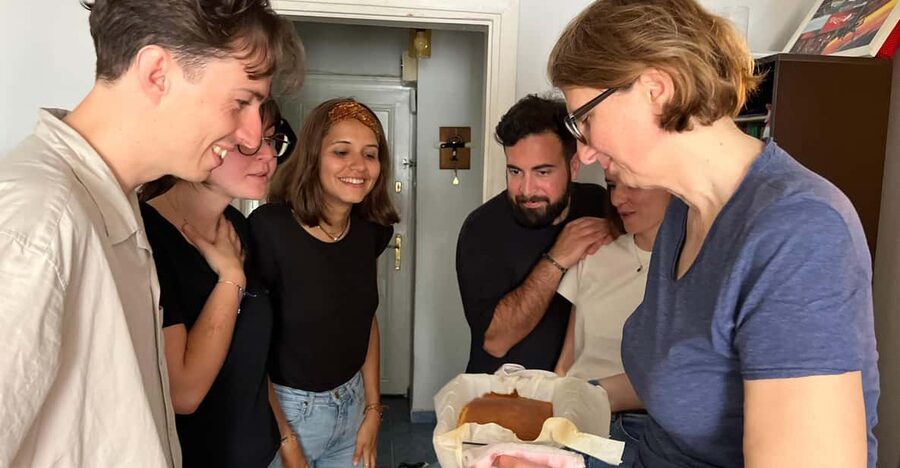
This is one of those experiences where the setting changes everything. You’re not squeezed into a showroom kitchen or herded through a scripted tasting. Instead, you walk into a neighborhood home in Istanbul’s Kâğıthane area and spend a focused 2.5 hours doing two beloved Turkish rituals: dessert cooking and Turkish coffee.
The format is simple and effective. You’ll start with dessert work (künefe is the star), then you’ll shift to the coffee stove while the dessert cooks, and finally you’ll sit down together to eat what you made. That rhythm matters because it keeps you engaged the whole time. You’re not waiting around until the end; you’re actively building the afternoon.
I also like that it’s explicitly small-group. With a cap of 6 participants, you’re more likely to get real coaching on what you’re doing and not just follow along in a line. Plus, the vibe is friendly and social, so you can ask questions about ingredients, technique, or coffee culture without feeling like you’re slowing things down.
The experience has a practical goal too: it’s designed so you can bring home more than a memory. You’ll leave with methods and recipes you can reproduce with ingredients you can usually find back home.
Finding the Class in Talatpaşa, Kâğıthane
Meeting point matters for home-based classes, and this one is clear. You’ll meet at Talatpaşa, Büyükbey Sk. No:4 D:11, 34400 Kâğıthane/İstanbul. When you arrive at the address, the host lets you in.
Why I’m glad that’s spelled out: apartments and courtyards can be confusing at first. When you’re trying to find a specific door number, the last thing you want is guesswork. Here, you know what to look for, and you’re not expected to wander and hope someone notices.
Also, think about timing. Because this is a home class and the group is small, being early helps you settle in, meet the host, and start learning without feeling rushed. You’ll want to arrive ready to cook and chat, not still figuring out where you are in the building.
In terms of language, the instructor speaks Turkish and English, which is a strong plus if you want to ask practical questions while your hands are doing the work.
Künefe Cooking Workshop: Layering, Flame Cooking, and the Flip
Let’s talk about the main event: künefe. This isn’t just about eating a famous dessert. You’ll learn how it’s built and how you control the heat and timing so it turns crisp and golden.
Künefe typically comes down to three things you’ll be practicing:
- Layering the shredded pastry base.
- Using regional-style butter (the dessert’s flavor and crunch depends on it).
- Adding homemade syrup at the right moment so it soaks in without making everything soggy.
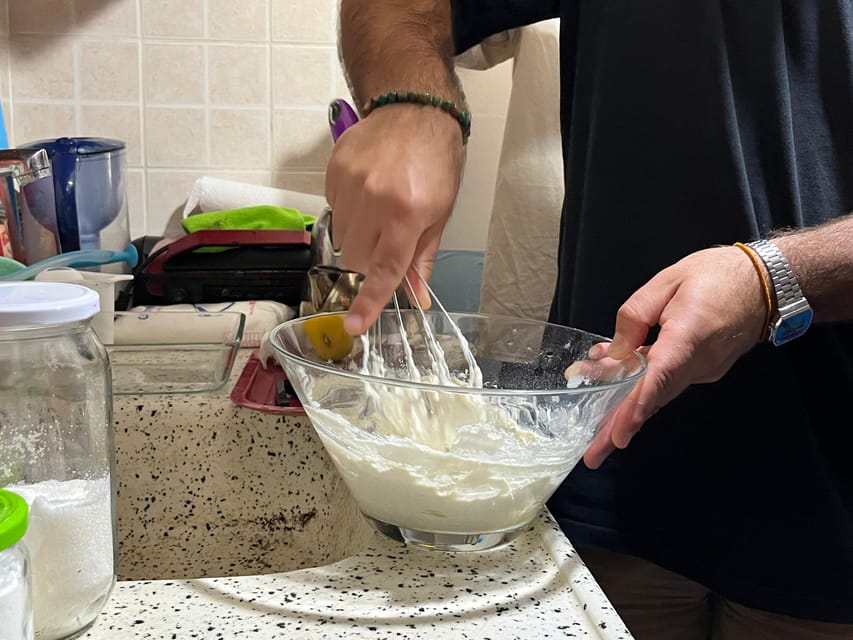
During the class, you’ll work through the steps of preparing künefe, including how to cook it over a flame and how to flip it so both sides develop that golden color. That flip is where confidence (and a little bravery) matters. If you’ve never flipped a pan of dessert before, you’ll still be able to do it here because the class is built around coaching and group size that stays manageable.
What makes this part worth the money is that it’s technique-focused. You’re not only tasting. You’re learning what texture you’re aiming for, what heat level helps, and how the dessert changes as it cooks.
Practical note: künefe contains dairy (cheese and butter) and gluten (shredded wheat pastry). If you have any allergy concerns, tell the host in advance so you’re not stuck hoping for a workaround on the day.
Turkish Coffee by the Stove: Slow Brew, Froth, and Meaning
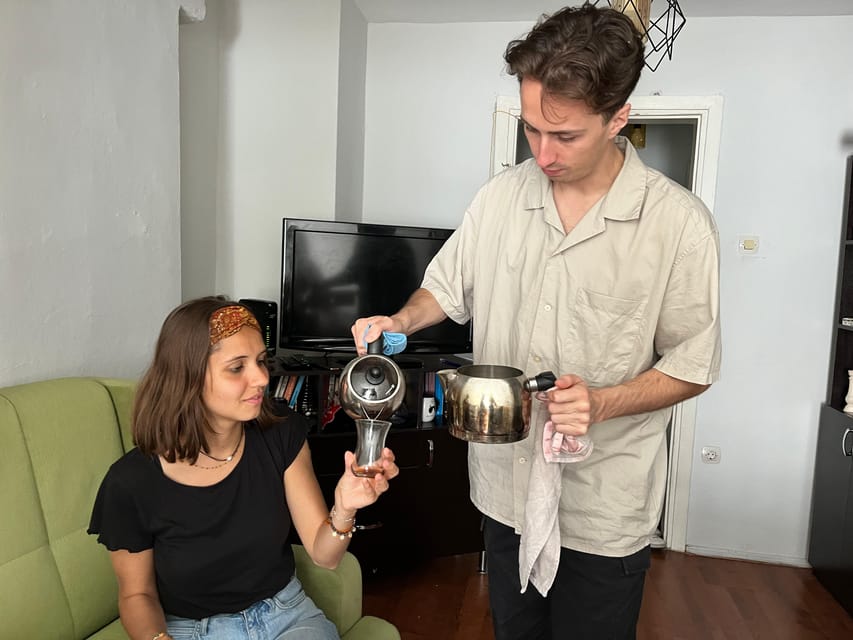
While the künefe cooks, the class shifts to the stovetop for Turkish coffee. The idea is simple: brew it the old-fashioned way, slowly, and let it develop that foam and aroma you only get with traditional method.
You’ll learn how the coffee is brewed, and you’ll also hear why Turkish coffee is treated as more than a drink. It has social meaning—part hospitality, part conversation starter, part ritual. That’s what makes the lesson feel cultural without turning into a lecture.
And yes, you may even get hands-on here. You might try your hand at making a cup, which is exactly what you want if you’ve ever wondered why Turkish coffee seems so different from your usual café version.
One fun detail from the experience: coffee-grounds reading can happen. In at least one session, Feyza did an unofficial reading of someone’s coffee grounds. This isn’t something you can count on every time, but it’s the kind of extra warmth that makes a home class feel alive. Even if you don’t get a reading, you’ll still get the coffee-making basics and the social context behind them.
Tip for your own comfort: Turkish coffee can be strong and aromatic. If you usually stick to mild drinks, take it slow, sip, and let your dessert do the heavy lifting.
The Dessert Table Moment: Warm Conversation and Easy Togetherness
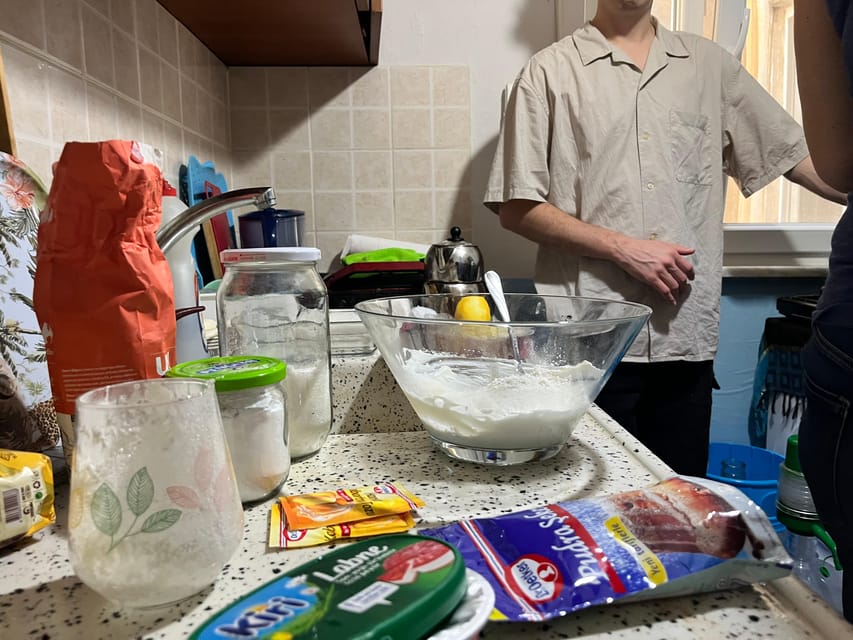
After cooking comes the part many people remember most: eating what you made together in the home.
You’ll gather at the table with the dessert (and any other sweets you prepared during the session) plus your tea or coffee. This isn’t a rushed tasting where plates disappear fast. The pacing gives your brain a chance to settle, and it gives you time to talk.
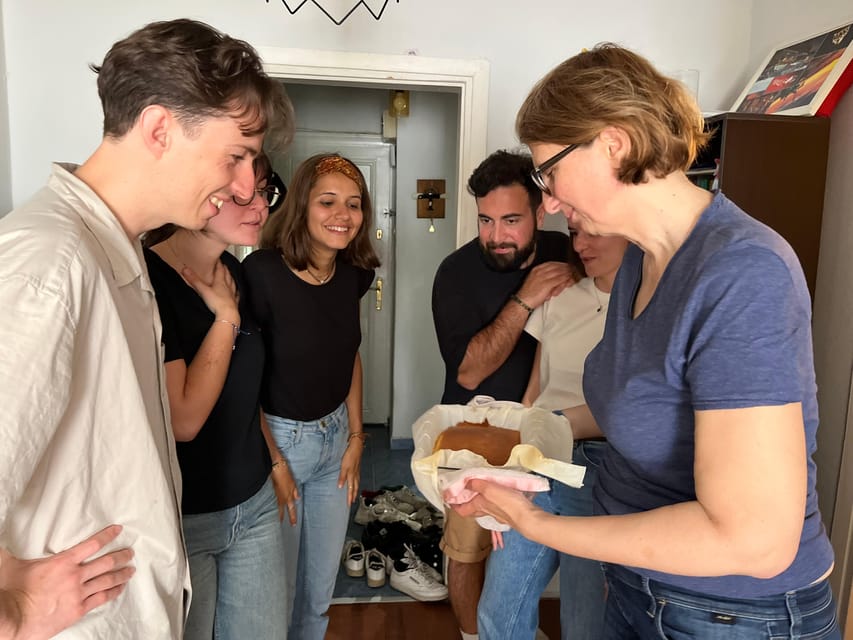
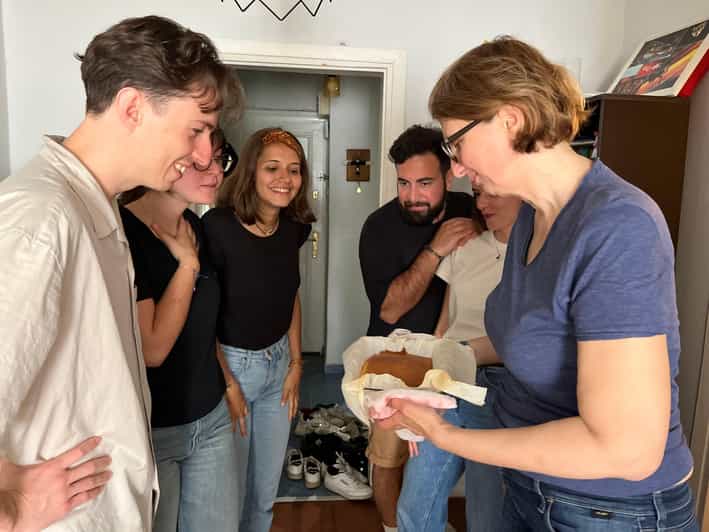
The social side is a real feature, not a side note. In one memorable class, Nuran’s cousin and nephew stopped by for a quick chat and joined in for dessert. That kind of spontaneous moment is exactly what you’re paying for when you choose a home experience over a larger venue.
You also get more back-and-forth because the group is small. That means you’re more likely to ask things like:
- How to spot the right doneness for a pastry dessert
- What makes a syrup taste balanced
- Why coffee is treated like a ritual rather than a quick caffeine stop
And the best part is that the dessert you’re eating isn’t just a store-bought sample. It’s something you cooked, so you notice the textures and flavors in a different way. You’ll likely pay attention to how the crunch holds up, how syrup affects softness, and how the coffee flavor works with the sweetness.
What You Learn (and What You Can Recreate at Home)
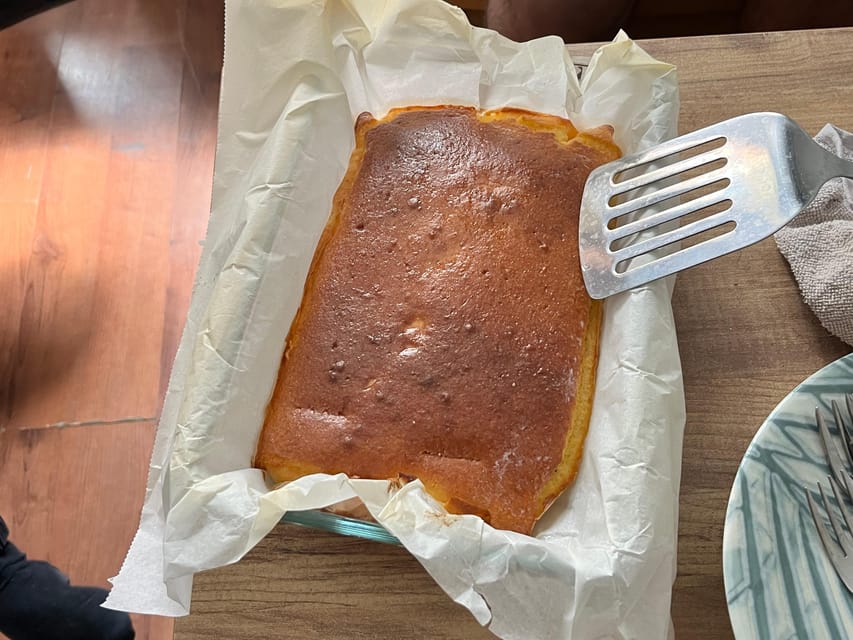
The class is built around skills, not just names. You’ll come away with a clearer idea of how Turkish sweets are structured: pastry texture, butter flavor, syrup timing, and coffee method.
Künefe teaches you method that carries over. Even if you never make künefe again, you learn how heat and timing create crispness versus sogginess. You learn how to handle a dessert during a flip, which is half cooking, half confidence.
You also cook 2 or 3 Turkish desserts during the session. Künefe is the foundation, but the other sweets can vary by day. In one session, people made flour halva and semolina cookies. Another person baked two traditional desserts and found them doable later using ingredients they could get in the US. That matters because it suggests the recipes aren’t locked behind impossible-to-find products.
Language support helps you translate what you learn into something you can repeat. With Turkish and English instruction, you can ask questions during the cooking steps instead of trying to decipher everything later from memory.
If you’re the type who wants one solid “I can do this” souvenir, this class delivers. Food learning is one of the few travel experiences where you still feel productive after you get home.
Price and Value of a 2.5-Hour Hands-On Dessert Session
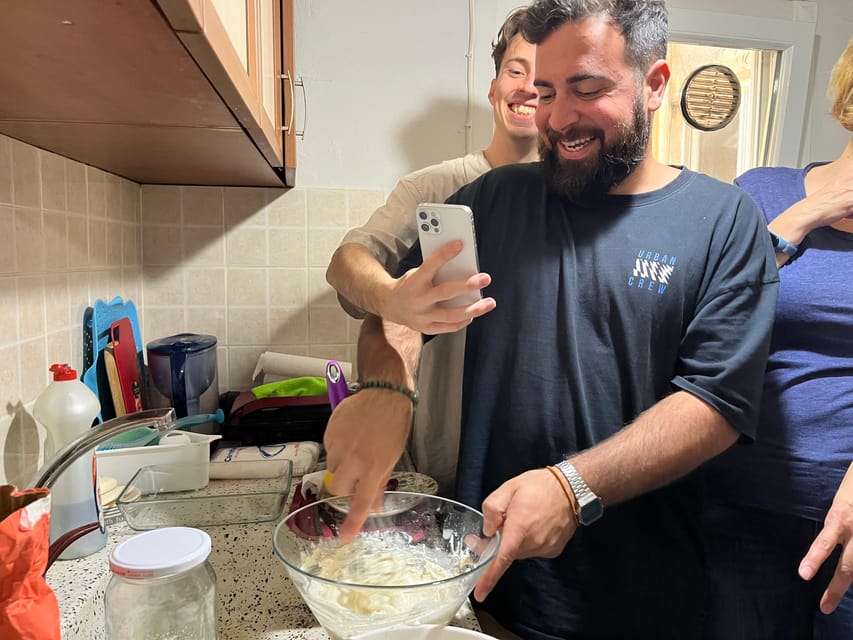
At $59 per person for 2.5 hours, this class sits in a reasonable middle zone for Istanbul food experiences—especially because you’re cooking, not just watching.
Here’s why the value feels fair based on what’s included:
- You get tea/coffee as part of the experience.
- You cook 2–3 desserts, starting with künefe.
- The group stays small (up to 6), which usually means more hands-on time and more direct help.
- The setting is a local home, which changes the cost equation compared to restaurant-style classes.
What could change the value for you is your personal cooking comfort. If you love hands-on tasks, you’ll feel like the time flew by. If you only want to sample food, the active cooking may feel like more work than you expected. But the class is structured so even a beginner can participate.
Also consider what you want out of Istanbul. If your trip already includes a lot of museums and major landmarks, this is a nice contrast. You’re getting everyday culture: the kind that happens in kitchens and over cups of coffee, not just in historic squares.
Allergy and Comfort Notes Before You Book
This is important, and it’s clearly stated for a reason. Künefe contains dairy (cheese and butter) and gluten (shredded wheat pastry). If you have allergies or strong dietary restrictions, you should let the host know in advance so they can advise you properly.
If you’re not dealing with dairy or gluten issues, you can relax and focus on the fun part. You’ll be tasting and cooking multiple sweets, and the coffee pairing is part of the rhythm.
One more comfort note: the class includes both cooking and eating. So if you’re sensitive to strong smells from the kitchen, consider that Turkish coffee is aromatic and desserts can be buttery and syrupy.
If you’re unsure whether you can participate safely, don’t guess. Ask directly before you go. A good host will rather tell you what’s possible than have you sit out awkwardly.
Who Should Take This Turkish Coffee and Dessert Class
This class fits best if you want something practical and personal. You’ll likely enjoy it if you:
- Want to learn a specific Turkish technique (künefe) rather than only taste sweets
- Like coffee rituals and want to understand the cultural why, not just the how
- Prefer a small group experience in a real home setting
- Enjoy learning by doing, with friendly guidance
It’s also a strong option if you’re traveling solo or as a couple. Small group size makes it easier to talk with the host and instructor, and you’re not stuck with a big crowd rhythm.
If you’re the kind of person who buys cooking tools and actually uses them later, you’re going to feel especially satisfied. This is the kind of class where you might want to recreate dessert night at home, not just snap photos and move on.
Should You Book This Turkish Coffee and Dessert Cooking Experience?
Yes, if you want an Istanbul experience that’s both hands-on and genuinely local. The combination of künefe cooking and Turkish coffee brewing gives you two skills, not just one. The small group format, the home setting, and the warm conversation around the table are the ingredients that make the afternoon feel more like time with family than a performance.
I’d pass or at least pause if you have dairy or gluten allergies, because künefe (the centerpiece dessert) contains both. If you’re safe with those ingredients, you should feel confident going in.
And if you’re debating between another food tour and this class, choose the class. It’s more time at the stove, more learning, and you leave with techniques you can use again.
FAQ
How long is the Turkish Coffee and Traditional Turkish Dessert Cooking experience?
It lasts 2.5 hours.
What does the price include?
Tea/coffee is included, and you’ll cook 2 or 3 Turkish desserts.
How many people are in the group?
The group is limited to 6 participants.
Will I learn to make künefe?
Yes. The session starts by preparing künefe.
What other desserts might be cooked besides künefe?
You’ll cook 2 or 3 Turkish desserts total. Specific examples mentioned include flour halva and semolina cookies.
Does the class involve Turkish coffee?
Yes. You’ll brew Turkish coffee the old-fashioned way, and you may have the chance to try making a cup.
What languages are spoken during the class?
The instructor speaks Turkish and English.
Where is the meeting point?
Talatpaşa, Büyükbey Sk. No:4 D:11, 34400 Kâğıthane/İstanbul. The host will let you in when you arrive at the address.
What should I know about allergies?
Künefe contains dairy (cheese and butter) and gluten (shredded wheat pastry). Let the host know in advance if you have allergies.
What’s the cancellation policy?
You can cancel up to 24 hours in advance for a full refund.