REVIEW · POKHARA
Sarangkot Village Coffee Culture and Authentic Local Life Tour
Book on Viator →Operated by Sharing Seeds · Bookable on Viator
One cool breeze and you are already in coffee country. This Sarangkot village tour pairs a hike near Phewa Lake with a hands-on look at how organic Arabica coffee moves from farmwork to the cup. You also meet the community project behind it, with an emphasis on women-led work and real local daily life.
I especially like two parts: the views over Phewa Lake from Sarangkot, and the chance to learn the full coffee process up close instead of just tasting. The tasting itself is a highlight too—organic coffee and honey when available, plus local seasonal fruit and chocolate bars along the way.
The main drawback is the walking. You should plan for an uphill climb (moderate fitness level is required), and the route is weather-dependent, so you’ll want good shoes and a little flexibility.
In This Review
- Key highlights you’ll care about
- Why Sarangkot coffee culture beats a standard day tour
- The $60 price: what you’re actually getting for your money
- Getting started at SalesBerry and moving toward Khapaudi
- Stop 1: Saleways and the scenic lake approach
- Stop 2: Phewa Tal and the uphill village hike
- Stop 3: Pandeli Park, Sarangkot, and the 1,200 m viewpoint
- The heart of the day: Sharing Seeds and organic Arabica from farm to cup
- Coffee and honey tasting: what to expect
- Women’s community tourism lunch: part of the impact, not an afterthought
- How long is this, and what’s the group size like?
- Logistics that affect your comfort (and your photos)
- Who should book this tour
- Should you book the Sarangkot Village Coffee Culture tour?
- FAQ
- What is the duration of the Sarangkot Village Coffee Culture and Authentic Local Life Tour?
- Where does the tour start, and what time does it begin?
- How many people are in the group?
- Is the tour good for people with mobility limits?
- What’s included in the price?
- Is the coffee tasting guaranteed?
- Is lunch included?
- Do I need my own hiking gear?
- What if the weather is poor?
- What is the cancellation policy?
Key highlights you’ll care about
- Village hiking around Sarangkot plus time to rest at a viewpoint high above Phewa Lake
- Sharing Seeds community work with training and better pay for coffee cherries (30% more than other collectors)
- Farm-to-cup coffee education focused on organic Arabica and the steps behind it
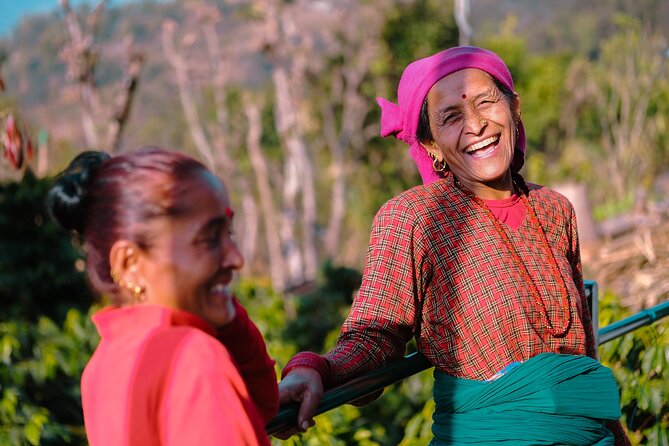
- Women’s community tourism project with an organic lunch prepared by women’s groups
- Coffee and honey tasting plus seasonal fruits and chocolate bars (depending on availability)
- Small group size (max 10) for a more personal feel
Why Sarangkot coffee culture beats a standard day tour
Sarangkot is a place where the scenery feels close—Phewa Lake shows up early, and the air changes as you gain height. What makes this tour different is that the coffee isn’t a prop. You spend real time with the people and the process behind the beans.
I like that the focus stays practical: how farming works, what organic practices mean on the ground, and how the co-op supports farmers to keep production sustainable. Even if coffee isn’t your main hobby, you’ll come away understanding why these farms and the community model matter.
The $60 price: what you’re actually getting for your money
At about $60 per person for an ~6-hour experience, this is not just a quick tasting stop. You’re paying for guided time, a route that includes hiking, and private transportation (so you’re not piecing together local rides all day).
You also get multiple food and drink components built into the price: organic coffee and honey tasting (upon availability), seasonal fruits, and chocolate bars. On top of that, there’s an organic lunch prepared by a women’s group connected to the community tourism project. For me, that combo is the value—your day includes views, movement, education, and a full meal, not just a sample.
Getting started at SalesBerry and moving toward Khapaudi
The day starts at SalesBerry Department Store on Chiple Dhunga Rd in Pokhara (meeting point is listed there), with a start time of 11:15 am. The tour then heads out and uses private transportation to connect you to the hike route.
From the initial stop at Saleways, you spend about 1 hour 30 minutes traveling along the shore of Phewa Lake toward Khapaudi Village, where the uphill part begins. This is a good pacing choice. You ease into the day visually (lake views) before you commit to climbing.
Stop 1: Saleways and the scenic lake approach
Saleways is where you meet everyone and start the guided part of the tour. From there, the route runs along Phewa Lake, which makes the early stretch feel less like travel and more like the warm-up of a hike day.
There’s also a practical benefit here: you’re not immediately dropped into steep terrain. After the lake shore stretch, you’ll be ready—physically and mentally—for the uphill work ahead.
Stop 2: Phewa Tal and the uphill village hike
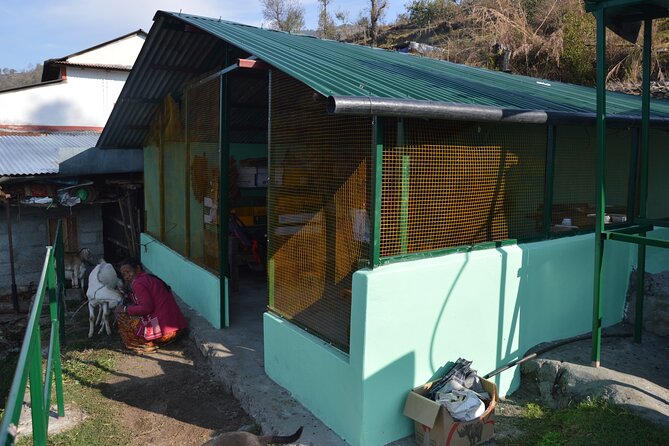
Next comes a more active phase. After Khapaudi Village, you do an uphill hike for about 2 hours 30 minutes, moving side by side on the trail while experiencing village life and interacting with locals.
This is where you’ll feel the tour’s character most clearly. It’s not only about reaching a coffee farm. You’re walking through rural living areas—seeing how people live, not just where they grow crops.
Your consideration: this part means you’ll want a steady pace and sensible footwear. The tour is listed as requiring moderate physical fitness, and there’s no included hiking gear. If you’re unsure, plan to move slower and take breaks—this route is about the full day experience, not speed.
Stop 3: Pandeli Park, Sarangkot, and the 1,200 m viewpoint
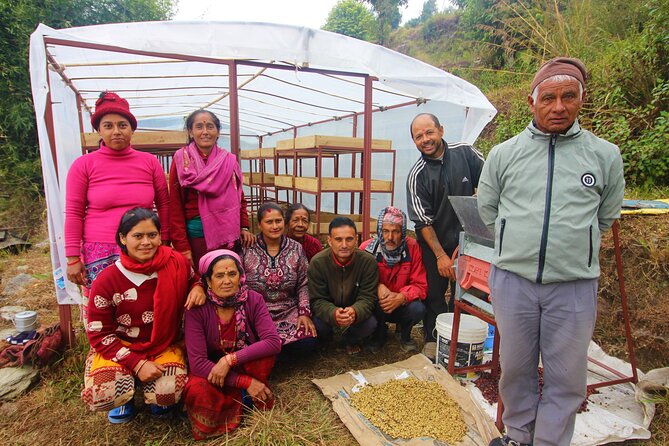
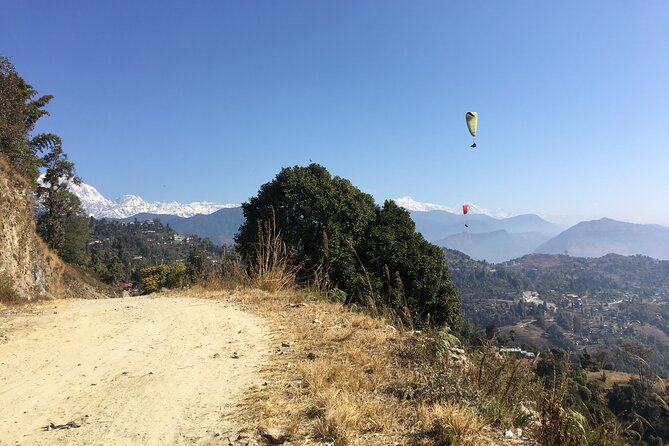
After the longer hike, you reach the Pandeli Park area in Sarangkot. This viewpoint is described as one of the best for a full view of Phewa Lake from an altitude of about 1,200 meters.
There’s also a nice historical detail tied to the trekking area: this route is listed as the oldest trek route to the Annapurna region. Even if you’re not trekking all the way to Annapurna, that adds context to why Sarangkot has drawn hikers for generations.
You’ll have a rest period here (listed as about 20 minutes), which matters. You’re likely to need a moment to cool down, catch your breath, and get your photos without sprinting the experience.
The heart of the day: Sharing Seeds and organic Arabica from farm to cup
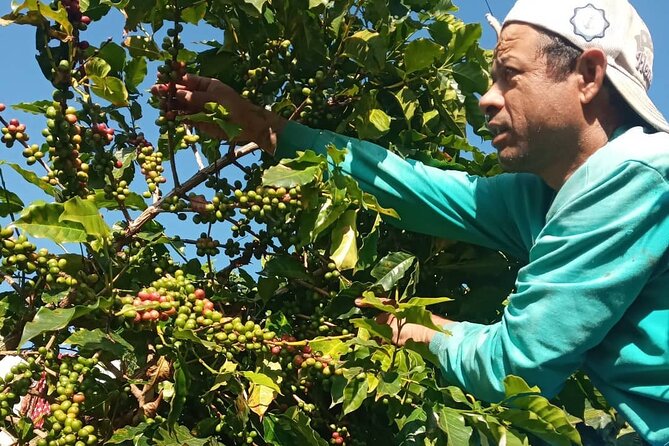
The coffee side of the tour is built around a local model run through Sharing Seeds, a non-profit community organization working with small organic Arabica coffee farmers. This is where you shift from “coffee as a drink” to coffee as a system—farm decisions, farming challenges, and how training supports sustainability.
Here’s what stands out in the tour description:
- The co-op helps farmers with training and updated knowledge
- Farmers are supported to farm sustainably
- The system pays 30% more for coffee cherries compared to other collectors
That last point isn’t a small detail. Better pricing changes behavior. When farmers get paid more fairly, they can invest in practices that take time—especially in organic farming, where you’re working with long-term soil and crop health.
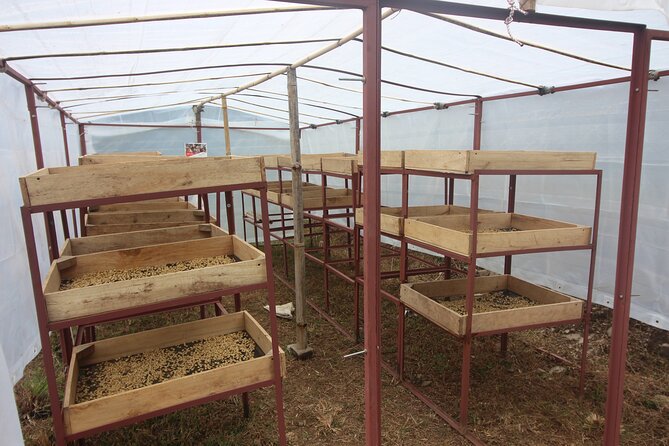
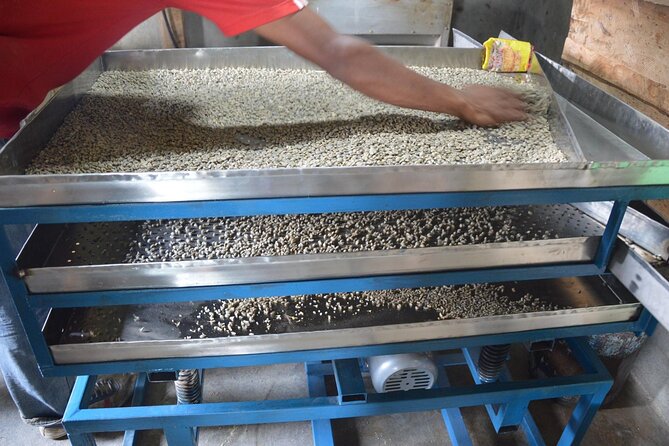
On the practical side, you’ll also see a tour of the coffee plants and coffee processing stages from farm to cup. And if you’re the type who loves details, you’ll likely enjoy how guides explain the process step-by-step—one guide named Abby was specifically praised for making the coffee progress easy to follow.
Coffee and honey tasting: what to expect
You’ll have organic coffee and honey tasting included upon availability. The tour description also notes seasonal fruits and chocolate bars, which means you’re not just tasting a single note—you’re getting a fuller snack-and-drink setup.
Don’t worry if you’re picky about coffee strength. You’re tasting locally grown arabica, and the honey adds another flavor channel that fits well with a farm setting. Also, iced coffee shows up in descriptions of the experience, so you might find a chilled option depending on the day.
Women’s community tourism lunch: part of the impact, not an afterthought
Food here isn’t just fuel. The lunch is described as organic and prepared by a women’s group involved in the community tourism project. That matters because it ties directly into local jobs—women creating work locally through tourism tied to the farm and village model.
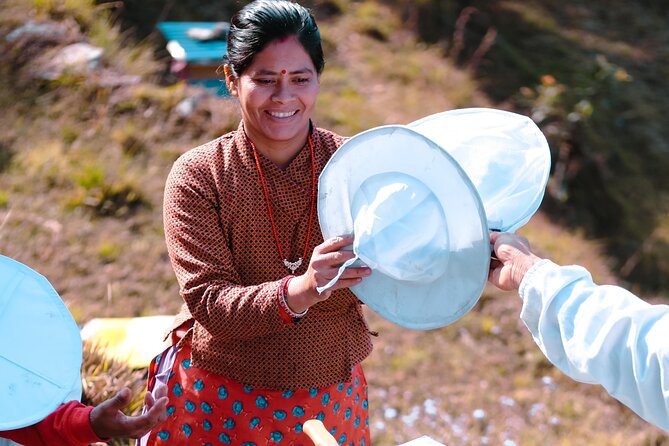
In the same spirit, the tour route commonly includes a look beyond coffee, such as other crops and beehives. If honey is part of the day, you’ll understand why the farm model cares about more than one income source.
And yes, it’s delicious in plain terms. Multiple parts of the experience are described as tasting good—traditional breakfast and lunch-style meals, plus coffee and honey tastings. The theme is consistent: you’re eating food made for people who live there, not food designed for a quick photo stop.
How long is this, and what’s the group size like?
This is listed as about 6 hours. You’ll move through lake shore travel, a fairly long uphill hike, viewpoint time, and then the farm-and-food portion of the day.
The group is kept small: maximum 10 travelers, which helps you get questions answered and makes the interactions feel more natural. It also reduces the pressure to keep moving the whole time.
Logistics that affect your comfort (and your photos)
This tour ends back at the meeting point, which keeps the day simple. There’s also a note that it uses a mobile ticket, and the area is listed as near public transportation.
You should also plan around weather. The experience is marked as requiring good weather, and if it’s canceled due to poor weather, you’ll be offered a different date or a full refund. In Pokhara, that’s smart. Cloudy conditions can change both the hike comfort and the quality of the Sarangkot views.
One more practical point: you’ll want water and a light layer. The route mixes lake humidity and higher-altitude breeze, and the cooler air can sneak up once you’re up around Sarangkot heights.
Who should book this tour
Book it if you want:
- A hike that includes a purpose beyond exercise
- A real coffee conversation, not just a tasting
- A day centered on small-scale organic farming and community support
- Scenic payoff from Sarangkot’s viewpoint over Phewa Lake
You might skip it if you:
- Don’t do well with uphill walking (moderate fitness is required)
- Want a fully flat “no stairs, no hills” itinerary
Should you book the Sarangkot Village Coffee Culture tour?
I think it’s a strong choice if you’re in the Pokhara area and you want your time to mean something local. For $60, you’re getting a structured hike, a meaningful coffee-farming education tied to Sharing Seeds, and an organic lunch prepared through a women’s community project. That mix is rare.
My deciding advice: if you can handle a moderate uphill day and you enjoy coffee (even casually), this is one of the more worthwhile ways to spend a half-day near Pokhara—because you leave with both a taste and a story.
FAQ
What is the duration of the Sarangkot Village Coffee Culture and Authentic Local Life Tour?
It’s listed as approximately 6 hours.
Where does the tour start, and what time does it begin?
It starts at SalesBerry Department Store (6XFQ+JV2, Chiple Dhunga Rd, Pokhara 33700, Nepal) and the start time is listed as 11:15 am.
How many people are in the group?
This tour has a maximum of 10 travelers.
Is the tour good for people with mobility limits?
The tour requires a moderate physical fitness level, and it involves uphill walking. If you have mobility limits, you should discuss your needs with the provider before booking.
What’s included in the price?
Included items are private transportation, organic coffee and honey tasting (upon availability), and seasonal fruits and chocolate bars.
Is the coffee tasting guaranteed?
Coffee and honey tasting are included, but they are described as upon availability.
Is lunch included?
Yes. The tour description says you’ll have an organic lunch prepared by a women’s group connected to the community tourism project.
Do I need my own hiking gear?
Gear or equipment for the hike is not included, so you should plan to bring what you need for comfort on uneven uphill terrain.
What if the weather is poor?
The experience requires good weather. If it’s canceled due to poor weather, you’ll be offered a different date or a full refund.
What is the cancellation policy?
Free cancellation is available up to 24 hours in advance for a full refund. If you cancel less than 24 hours before the start time, the amount paid is not refunded.
If you want, tell me your fitness level and whether you prefer less hiking or more viewpoint time, and I’ll help you decide if this is the right match for your day in Pokhara.