REVIEW · NAIROBI
Nairobi Coffee Farm and Factory Tour
Book on Viator →Operated by Safari Port · Bookable on Viator
Coffee has a story, and you can see it. This Nairobi farm-and-factory visit takes you from Fairview Coffee Estate to the cup, with hands-on explanations of how Kenyan coffee is grown, processed, and roasted. It also includes round-trip hotel transfers, so you’re not stuck figuring out transport out in the countryside.
What I really like is how the experience stays practical: you walk the coffee fields, see key steps in processing, then finish with a proper tasting of freshly brewed Kenyan coffee. I also like the human touch from the guides and drivers; people have called out friendly, funny, and clear guiding (for example, Elvis, James, Ann, Obed, Moses, and others), plus drivers who communicate and handle the ride smoothly.
One consideration: even though the package says it includes all fees and taxes, the estate stop may require an extra admission cost. The tour details list admission as not included, and at least one review mentions a separate $30 farm fee—so I’d confirm what you’ll pay before you arrive to avoid a surprise.
In This Review
- Key things to know before you go
- Nairobi coffee, made real at Fairview’s estate
- Getting there from Nairobi: transfers, timing, and sanity
- Fairview Coffee Estate: the walk that makes the rest click
- Inside the factory lesson: roasting and the steps you’ll remember
- Your tasting moment: free coffee, guided comparisons
- What you can buy (and what to plan for)
- Price and value: is $98.50 fair for this kind of tour?
- Who should book this Nairobi coffee farm and factory tour
- Should you book it? My practical take
- FAQ
- How long is the Nairobi Coffee Farm and Factory Tour?
- Does the tour include hotel pickup and drop-off?
- Is the experience private?
- What’s included in the tour price?
- Is the farm admission ticket included?
- Can I buy coffee to take home?
- What’s the cancellation policy?
Key things to know before you go
- Farm-to-cup flow: you’re shown how beans move from estate work to factory processing and roasting.
- Hotel transfers included: pickup and drop-off make this an easy half-day add-on from central Nairobi.
- Free coffee and snacks: you’re not just watching; you’ll taste what’s being explained.
- Private time for your group: it’s set up for just you and your party.
- Ask about any extra admission fee: the details suggest admission may not be fully covered.
Nairobi coffee, made real at Fairview’s estate
This tour works because it doesn’t treat coffee like a museum item. You’re taken to a working coffee estate just outside Nairobi—about 20 minutes from the city center—where the setting actually makes sense: green rows, day-to-day farm routines, and people who know what each step is for. Even if you think you don’t know coffee, the guide’s job is to translate the science into plain, watchable reality.
And there’s a strong “local economy” angle built into the framing. Kenyan coffee is one of the country’s big exports, and you see why it matters: growing, sorting, processing, and roasting aren’t quick or automatic. It’s labor and patience, handled in stages.
The best part for me is the pacing. You’re given time to look closely at the plants and beans, then you move forward into processing and the factory side so you leave with a clear mental map—how you go from something that looks like a seed to something that tastes like your morning habit.
You can also read our reviews of more tours and experiences in Nairobi.

Getting there from Nairobi: transfers, timing, and sanity
The tour includes hotel pickup and drop-off, which is a big deal in Nairobi. It means you can plan your day around this one activity without building extra time for taxis, directions, or last-minute scrambling.
Timing is listed as 2 to 3 hours (approx.), but the estate experience can stretch a bit—some tour schedules read as a longer half-day. Either way, think of it as a short “leave the city and return” outing. The good news is that the estate is close enough that you aren’t spending your coffee time stuck in a long drive.
I’d also plan for this simple reality: coffee farms are working places. You may be walking on uneven ground, and the estate route can be a little dusty or sunny depending on the day. Wear shoes you’re comfortable getting slightly dirty, and bring a light layer if you’re sensitive to wind.
Fairview Coffee Estate: the walk that makes the rest click
At Fairview Coffee Estate, the tour is designed like a guided course, starting where coffee begins: the farm itself. Expect to see coffee trees and learn about how beans develop on the plant, then how harvesting and grading matter before the beans ever reach a roaster.
The estate experience is more than a photo stop. You’re taken through the coffee journey from growing onward, with explanations that connect the farm work to what you’ll later notice in the tasting. If you’ve ever had coffee that tasted different from one bag to the next, this is where you start understanding why.
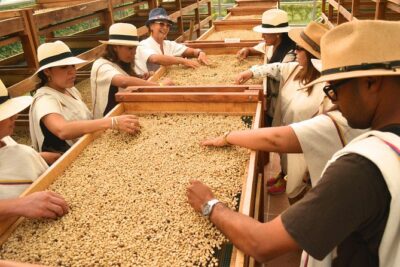
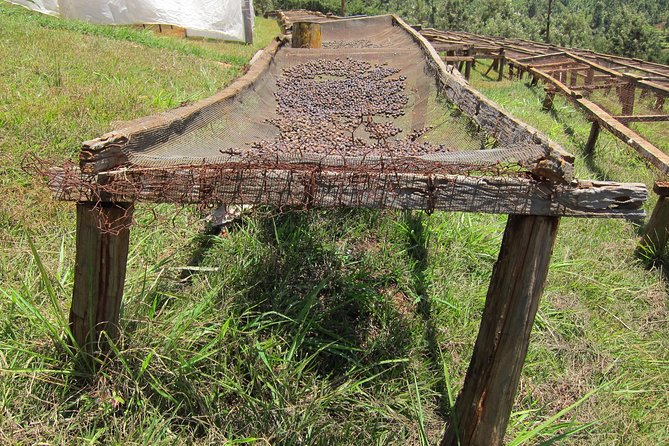
In the reviews, people repeatedly mention the walk through the fields and learning about processing steps, including what you see during drying. That’s a key moment in coffee’s timeline: drying isn’t just a technical checkbox. It affects flavor development, so it helps you understand why roasting alone can’t save a poorly processed batch.
Also, the vibe here is rural without being “too remote.” It’s close to Nairobi, but it still feels like you’re stepping into a working landscape of farms and fresh air.
Inside the factory lesson: roasting and the steps you’ll remember
Once you’re done with the estate walk, the tour turns the lights on for the production side. This is where the experience gets really satisfying if you like cause-and-effect. You’re shown how coffee changes as it moves through processing and into roasting.
The tour materials talk about learning every step of the production process, and the on-the-ground experience is described as thorough. People mention seeing beans processed and roasted, and they also mention tasting multiple coffee grades at the end—so you’re not just learning theory, you’re linking it to flavor.
A useful way to think about the factory portion: it’s your cheat sheet for reading coffee labels later. Even when you’re not an expert, you can start noticing the difference that comes from the way beans were handled and prepared before roasting. Kenyan coffee can be taught through sensory comparison, and the tasting is the proof.
One more practical note: if you’re the type who loves asking questions, this is the right time. Guides listed in experiences (like Moses and Irin, or guides named Elvis, Ann, and others) are described as friendly and engaged, which matters because coffee processing can sound abstract until someone explains it with real-world examples.
Your tasting moment: free coffee, guided comparisons
The tour includes coffee and snacks, and the tasting is one of the main reasons people get excited. In plain terms: you taste what you just learned.
How should you approach it? Don’t rush. Take small sips and pay attention to differences between cups. If the tasting includes several coffee grades (one experience specifically mentions tasting four grades), treat it like a mini flight. Ask yourself:
- Does one cup taste lighter or heavier?
- Is the aroma stronger in one?
- Do you notice different levels of acidity or “smoothness”?
Even if you’re not a coffee snob, you’ll pick up patterns faster than you think because the guide is connecting the sensory results back to what happens on the farm. That’s the real value: you don’t leave with a vague memory of a pleasant drink. You leave with a better sense of how Kenyan coffee is built.
And the snacks are there for a reason. Tasting is easier when you’re not hungry, and free refreshments keep the whole half-day feeling comfortable instead of rushed.
What you can buy (and what to plan for)
The tour includes coffee and snacks, but packaged farm coffee for sale is not included in the tour price. That’s normal—coffee farmers and factories usually want to sell what they produce, and it gives you a way to take your favorite tasting home.
If you’re shopping, set a small budget in your head. You may be tempted because tasting tends to make you want to compare at home. One experience notes buying a dark roast grade to take home, which tells you the sales table can be worth a look if you care about roast style.
Just keep your expectations realistic: the tour price covers the learning and the included refreshments. Anything you take home is optional.
Price and value: is $98.50 fair for this kind of tour?
At $98.50 per person, this isn’t a bargain-basement activity. But it also isn’t just a bus ride to see trees. You’re paying for a structured farm-to-cup experience, plus private transportation, hotel pickup and drop-off, and included coffee and snacks.
Here’s the value breakdown that matters most:
- Time efficiency: pickup and drop-off mean you can do this without planning.
- Learning delivery: you’re guided through farm steps and factory processing, not left to wander.
- Taste payoff: free coffee tasting turns the education into something you can actually remember.
That said, I’d do one more thing before you commit: double-check whether any farm admission fee is due on arrival. The tour details you’re given say admission ticket isn’t included, and one review mentions an extra $30 fee. If an add-on is required, it should be clearly communicated ahead of time. Getting clarity now protects the value.
If the admission ends up being included in the final total, the price feels more justified. If it’s extra, the tour still can be worth it—but only if you’re sure you want the tasting and the guided production walk.
Who should book this Nairobi coffee farm and factory tour
This tour is a strong fit if you:
- love coffee and want to understand how Kenyan production works, not just drink it
- want a short, structured half-day outside the city
- like guided experiences where you learn and taste at the same time
- prefer private time for your group rather than being mixed into a huge crowd
It’s also a decent option if you’re visiting Nairobi for a few days and want one “different Kenya” activity that still stays practical and easy logistically.
Where it may not be the best match is if you only want a quick photo moment or you’re allergic to any amount of walking on farm ground. It’s not a strenuous hike, but it’s still an estate visit with real working areas.
Should you book it? My practical take
I think you should book this tour if you want a clear coffee education with a real tasting payoff and zero hassle getting there. The combination—estate walk, production explanation, and free coffee—hits the sweet spot for many people. Add in the repeated praise for guides like Elvis, Ann, James, Moses, and others, and the experience sounds built to keep you engaged while you learn.
My recommendation hinges on one check: confirm the total cost at booking. Because the details point to admission not fully included and at least one review mentions a separate $30 farm fee, you’ll feel better if you know the final number before you go.
If you love coffee enough to pay attention and taste carefully, this is one of the better “half-day value” options around Nairobi.
FAQ
How long is the Nairobi Coffee Farm and Factory Tour?
The tour is listed as about 2 to 3 hours (approx.). Some schedules also describe it as a half-day experience, so plan for it to take most of a morning or afternoon block.
Does the tour include hotel pickup and drop-off?
Yes. Hotel pickup and drop-off are included, along with private transportation.
Is the experience private?
Yes. It’s described as private, meaning only your group participates.
What’s included in the tour price?
Included items are private transportation, hotel pickup and drop-off, bottled water, coffee and snacks, and all fees and taxes (based on the provided tour inclusions).
Is the farm admission ticket included?
The tour details note admission ticket not included. One review also mentions a separate $30 farm fee, so I recommend confirming the total cost with the operator before departure.
Can I buy coffee to take home?
Yes. Packaged farm coffee is available for sale, but it’s not included in the tour price.
What’s the cancellation policy?
Free cancellation is offered. You can cancel up to 24 hours in advance for a full refund, and changes less than 24 hours before the start time aren’t accepted.