REVIEW · STOCKHOLM
Full Day Viking Tour with Fika Swedish Coffee Break
Book on Viator →Operated by UrbanTurism OU · Bookable on Viator
Rune stones and coffee, all in one long day. This full-day circuit packs Viking-era sites and early Christian landmarks around Stockholm, with an expert-led rhythm that keeps you moving (but not rushing). I love how the guide makes the runic script feel readable, not just decorative, and I love the built-in Fika break at a farm. The main drawback to plan for: it’s a 10-hour day with outdoor stops, so you’ll want warm layers and a steady pace for short walks.
You travel in a small van/minibus (up to 17 people) with an audio system, so you’re not stuck craning your neck for every sentence. The itinerary is structured into seven key stops, then scenic driving time between them, so you get context instead of a scattershot checklist. One more note: the day leans academic. If you want lots of Viking culture without the runes and religious transition details, you may find parts of the narration heavier than you expected.
In This Review
- Key highlights you’ll feel the moment you start
- A 10-hour Viking loop around Stockholm’s key sites
- Stop 1: Jarlabanke Runestones and the art of reading them
- Stop 2: Arkils Tingstad, a Viking assembly by the lake
- Vallentuna church stops: where pagan traditions met Christianity
- Granby Farm and the Fika break that keeps the day humane
- Sigtuna: the early capital vibe and S:t Olof church ruins
- Old Uppsala: burial mounds, myth, and royal memory
- Uppsala Cathedral: the day’s church crescendo
- Getting there in a small van: what it means for your comfort
- Price and value: what $241.36 buys you on this day
- Who this tour fits best (and who should skip it)
- Should you book this Viking day tour?
- FAQ
- How long is the full-day Viking tour?
- What does the tour cost?
- Is pickup available from my hotel?
- Is the guide available in English?
- What’s included besides the tour itself?
- Is lunch included?
- Are there admission fees for the stops?
- What kind of vehicle is used?
- What if the weather isn’t good?
- How much walking is involved?
- Can I cancel and get a refund?
Key highlights you’ll feel the moment you start
- Runestones with translation and real context, not just a quick photo stop
- Arkils Tingstad by a lake, where Viking legal meetings happened
- Vallentuna churches that show the shift from pagan roots into Christianity
- Granby Farm Fika plus a look at Viking settlement ruins and an eye-catching runic feature
- Sigtuna, Sweden’s early capital feel, with free time to wander
- Old Uppsala + Uppsala Cathedral, burial mounds and the church seat of Sweden’s archbishop
A 10-hour Viking loop around Stockholm’s key sites
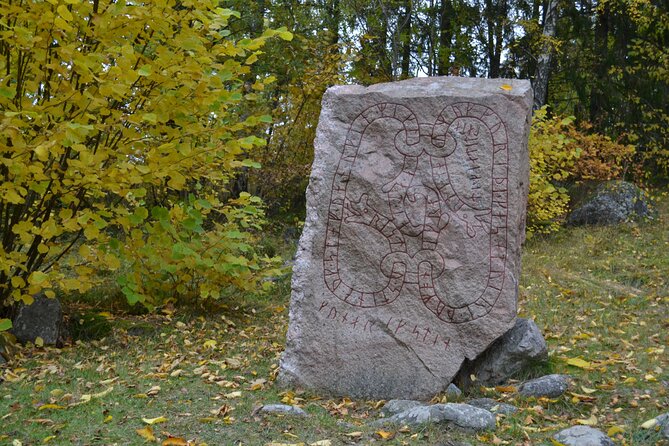
This is a full-day tour (about 10 hours) that’s designed for people with a real history interest. The payoff is that you see how the Viking world followed into the early Christian era—across different places, not just one museum. You’re also out of central Stockholm for most of the day, which is a big part of the charm.
At the start, you’re picked up if that’s convenient, but the pickup address may shift to an alternative location if your exact hotel timing doesn’t fit the schedule. The guide meets you in English, and you’ll travel in a comfortable van/minibus with an audio system for each passenger.
The day’s structure matters. Each stop is given enough time for walking, photos, and the guide’s explanations—so it doesn’t feel like you’re sprinting between landmarks. The trade-off is that you’ll spend plenty of time on the move, and you’ll want to pack for weather.
Stop 1: Jarlabanke Runestones and the art of reading them
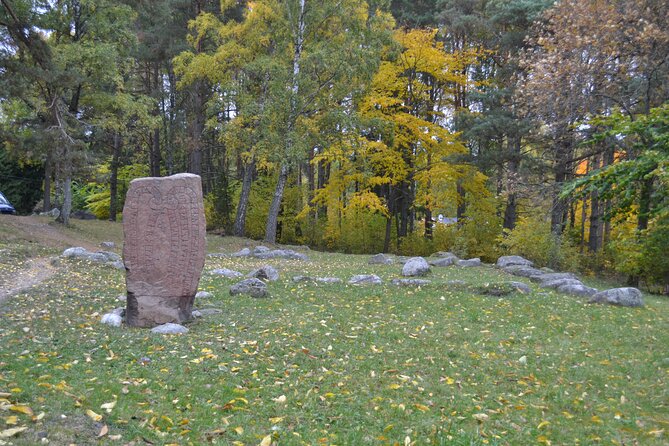
The first major anchor is the Jarlabanke Runestones, just a short drive from Stockholm (about 30 minutes). Here you’ll see two famous runestones and get an explanation of the runic script: what the letters are, how to approach the message, and what it can suggest about Viking life.
This is one of the tour’s strongest moments because runestones are easy to misunderstand if you just treat them like “old rocks with writing.” The guide’s job is to give you a framework—so when you look back at the stone, you’re not stuck guessing what you’re looking at.
Practical tip: this stop is early in the day, so it’s the best time to ask questions about the runes. If you’re the type who likes details (and most rune lovers are), this is where the day starts paying off.
Stop 2: Arkils Tingstad, a Viking assembly by the lake
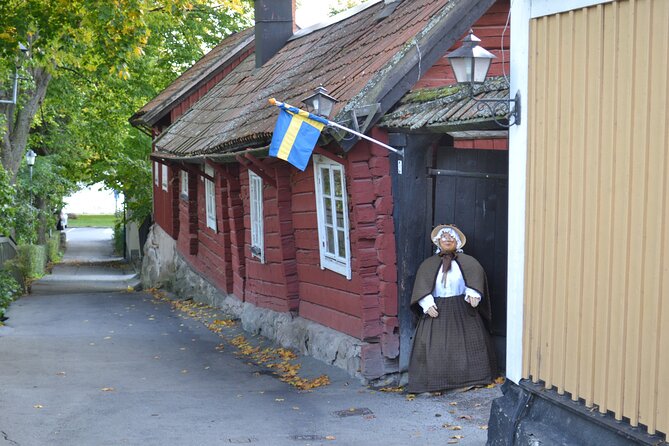
Next comes Arkils tingstad, an old assembly place where Vikings gathered for meetings and court. It’s set in a scenic area by a lake, and the setting helps you picture how community decisions and local justice worked.
Expect the guide to connect the physical place to the social system: where authority showed up, how disputes got handled, and how laws were understood in that era. This stop is a nice change from the stones because it shifts from “inscription as evidence” to “place as evidence.”
Small consideration: the stop duration is shorter than some others. You’ll get the core story, but if you want a long linger-by-the-water moment, you’ll have to rely on free time later in the day.
Vallentuna church stops: where pagan traditions met Christianity
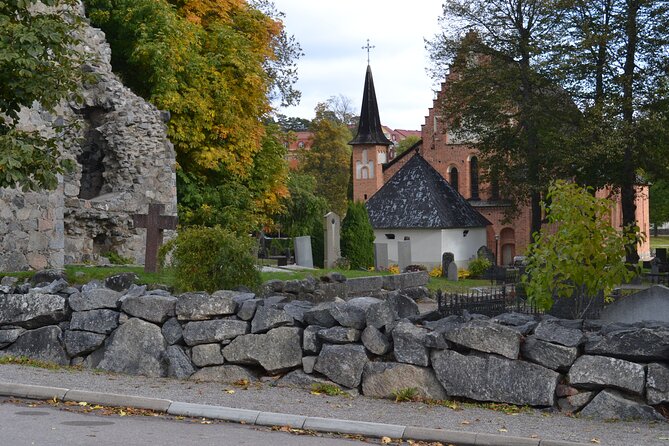
The itinerary includes Vallentuna church (an older parish church dating to the late 12th century). The guide talks about the transformation from pagan time into Christianity and then gives a brief overview of church history in Sweden.
This is where the Viking theme turns into something broader: not just what Vikings built, but how belief systems changed. If you’ve ever wondered how a society flips from one spiritual worldview to another, this is the kind of stop that gives you the human scale of that shift.
What I like about this portion is that it doesn’t feel like a hard pivot to random medieval stuff. It’s still about the same “why” questions—who had power, what stories survived, and how communities rebranded their identity.
Granby Farm and the Fika break that keeps the day humane
Then you’ll head to Granby Farm for Fika, a traditional Swedish coffee break with pastries. This is not just a snack stop. It breaks up the long run of history talk with something sensory and Swedish: coffee, sweets, and a slower pace in the countryside.
Fika is also included, and the stops around it do not require admission fees, so it’s one of those moments where the “value” feels real. You’re getting a cultural experience that’s local and low-pressure, instead of hunting for food mid-tour.
This stop also includes ruins from an old Viking settlement and a look at a very large runic inscription—described as the largest runic script in the world. That detail is memorable because it changes how you picture runes: not just carved messages on standing stones, but large-scale markings tied to place and legacy.
Tip for comfort: bring layers for the farm and ruins time. Even when the route is calm, you’ll likely be outside near older structures where wind can cut through.
Sigtuna: the early capital vibe and S:t Olof church ruins
After Granby Farm, the tour reaches Sigtuna, often described as Sweden’s first capital, and the town is still conserved in a way that feels walkable and historical. The guide gives an introduction, then you get free time to explore.
In the middle of the town visit, you’ll also see the ruins of S:t Olof church. This blends the “big dates” story with something you can actually stand next to and imagine: how religious buildings defined community life even when only pieces remain.
One practical way to enjoy Sigtuna more: if you plan to shop or wander for snacks, try to eat before you hit the free-time block. The day runs long, and this is the part where people often realize lunch is not included.
Old Uppsala: burial mounds, myth, and royal memory
The highlight that many history fans wait for is The Church of Old Uppsala. This stop centers on the burial mounds and the old church site, explained as a spiritual center for Vikings and also a place tied to early Christianity.
What makes Old Uppsala special is the sense of scale and symbolism. You’re not just seeing architecture—you’re seeing landscape memory: individual mounds linked to old kings, where authority and belief were made visible in the earth.
If you love the story-side of archaeology, this is the moment where things start to click. A tour like this can turn runes and churches into separate topics. Old Uppsala is the glue that shows how a society kept telling its most important stories through place.
Uppsala Cathedral: the day’s church crescendo
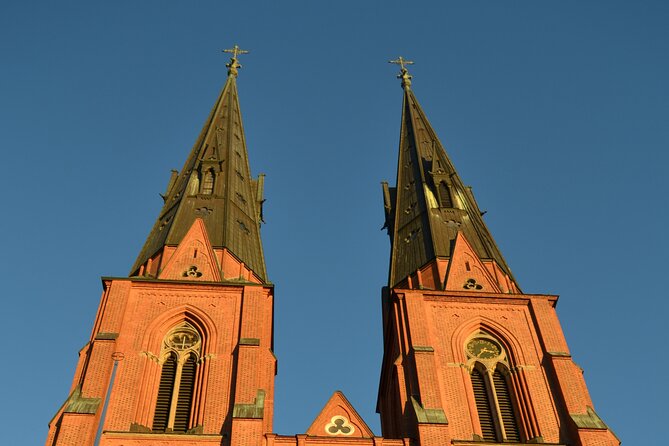
Your final major stop is Uppsala Domkyrka (Uppsala Cathedral), the main church for the Church of Sweden and the seat for the archbishop. The guide provides a guided tour inside the cathedral and also adds a brief city tour on the way in and out.
This is a good closing act because it brings you forward in time. Viking-era spiritual centers and royal burial traditions don’t vanish overnight, but the “center of gravity” shifts. The cathedral visit helps you see that transition as a living storyline, not a dead end.
If you’re tired by this point (ten hours is no joke), you’ll still appreciate this stop because cathedral tours are usually structured around clear focal points—so you’re not waiting for the next lecture to start.
Getting there in a small van: what it means for your comfort
Transport is handled in a small van/minibus with a maximum of 17 passengers. That small group size is part of the appeal: you’re not lost in a crowd, and the guide can manage questions and pacing more easily.
Audio is provided in the van, which helps if you want to keep up without leaning toward whoever is talking. Still, audio systems aren’t magic. If you’re prone to missing details, sit where you can hear clearly, keep your phone flashlight off, and focus. For a day like this, clarity is the difference between enjoying the runes and just snapping photos.
Also pack for weather. The experience requires good weather, and some days can be cold and wet. Even with a heated vehicle, outdoor stops mean you’ll feel the elements. Layers beat one thick coat.
Finally, plan your energy. This tour includes short walks and enough standing to be active. If your ideal day involves long museum sits and zero standing, you might want a different format.
Price and value: what $241.36 buys you on this day
At $241.36 per person, you’re paying for a tight package: a full-day route, multi-stop guiding, guided time at major sites, and included Fika. You’re also not paying extra admission fees at the sites listed as free of charge.
Where the value really shows is the combination. You’re not just seeing Viking-era objects. You’re seeing:
- runic messages and what they mean,
- legal assembly context,
- church transformation after pagan time,
- an old capital town atmosphere,
- burial mound spirituality,
- and a final cathedral guided visit.
If you’re the type who likes “one guide, many places, one narrative thread,” this is a good use of your day. If you’re more into casual sightseeing with minimal explanations, the price may feel steep because the day is built around detailed storytelling—especially with the runestones.
Who this tour fits best (and who should skip it)
This is a strong choice if:
- you genuinely like Viking history, runes, and the early Christian shift,
- you can handle a full day and short walks,
- you want a guide to connect sites into a single story,
- you enjoy a structured day with real talking time.
Consider skipping if:
- you want a lighter, more casual Viking experience,
- you prefer lots of Viking culture outside of churches and inscriptions,
- you get frustrated when a tour spends time on one theme (the runestones and rune translation are a major thread).
Should you book this Viking day tour?
I’d book it if you want a guided day that turns Viking-era landmarks into a story you can actually follow—especially the runestones and Old Uppsala. The small van, audio support, and included Fika make it easier to stick with the plan without constantly hunting for food or information.
I’d hesitate if you’re picky about pacing or you’re hoping for broad Viking culture with lots of hands-on fun. This is a history lesson in the best possible way, but it is still a history lesson.
If you’re planning your one big day outside Stockholm, this is one of the clearer choices for seeing how the Viking world moved into the Christian era—by standing in the places where that change leaves traces.
FAQ
How long is the full-day Viking tour?
It runs for about 10 hours (approximately).
What does the tour cost?
The price is listed as $241.36 per person.
Is pickup available from my hotel?
Pickup is offered, but it may not always be convenient for the schedule. In that case, you’ll use an alternative pickup address.
Is the guide available in English?
Yes, the tour is offered in English.
What’s included besides the tour itself?
Fika is included (Swedish coffee break with pastries), typically at Granby Farm.
Is lunch included?
No, lunch is not included.
Are there admission fees for the stops?
The tour information indicates the places of visit do not require fees, and the listed stops show admission as free.
What kind of vehicle is used?
You travel in a comfortable van/minibus with a maximum of 17 passengers, and the van has an audio system for each passenger.
What if the weather isn’t good?
The experience requires good weather. If it’s canceled due to poor weather, you’ll be offered a different date or a full refund.
How much walking is involved?
Most travelers can participate, but you should be able to stand up and do short walks.
Can I cancel and get a refund?
Yes. Free cancellation is available up to 24 hours in advance for a full refund.